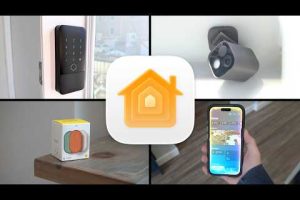
The world of smart home devices has evolved dramatically over the past decade, transforming ordinary houses into intelligent living spaces that respond to our needs, anticipate our habits, and streamline daily routines with remarkable efficiency. Whether you are a curious beginner exploring your first smart home gadget or a seasoned tech enthusiast building a full-scale home automation ecosystem, the sheer variety of options on the market can feel overwhelming. From voice-controlled smart speakers and intelligent lighting systems to advanced security cameras and learning thermostats, the best connected home devices do more than just add novelty — they deliver genuine comfort, enhanced security, and measurable energy savings. In this comprehensive guide, we break down the top smart home technology available today, organized by experience level, so you can make informed decisions that align with your lifestyle, budget, and long-term goals.
What Are Smart Home Devices and Why Should You Care?
Smart home devices are internet-connected products that communicate with each other and with you through apps, voice commands, or automated routines. They form what is commonly referred to as a smart home ecosystem — a network of IoT devices (Internet of Things) that work together to create a seamless living experience. The global smart home market is projected to surpass $580 billion by 2030, and for good reason: these devices deliver real, measurable value.
Here is why millions of homeowners are investing in home automation devices:
- Convenience: Control lights, locks, and entertainment systems without lifting a finger.
- Energy Efficiency: Smart thermostats alone can reduce heating and cooling costs by 10 to 25 percent.
- Security: Real-time alerts and remote monitoring keep your home protected around the clock.
- Accessibility: Voice-activated controls benefit elderly users and individuals with mobility challenges.
- Increased Property Value: Homes equipped with smart home automation systems often command higher resale prices.
Best Smart Home Devices for Beginners
Smart Speakers and Voice Assistants
If you are just starting out, a smart speaker is the most logical first purchase. These devices serve as the command center for your growing connected home devices. The Amazon Echo (Alexa), Google Nest Hub (Google Assistant), and Apple HomePod (Siri) each offer robust ecosystems with thousands of compatible products. Beyond playing music, smart speakers control lights, set reminders, provide weather updates, and act as intercoms throughout your home. For beginners, the Google Nest Mini is an affordable and capable entry point, while the Echo Dot remains the most popular budget option on the market.

Smart Plugs and Smart Lighting
Smart plugs are arguably the most underrated yet impactful smart home gadgets for newcomers. Simply plug any conventional device into a smart plug — lamps, fans, coffee makers — and control them remotely via your smartphone. The TP-Link Kasa Smart Plug and Wemo Mini are trusted, easy-to-use options. Pair these with smart bulbs like the Philips Hue White and Ambiance kit, and you instantly gain the ability to dim lights, set schedules, and change colors from anywhere. These small upgrades create an immediate sense of living in a modern, connected home.
Best Smart Home Devices for Intermediate Users
Smart Thermostats
For those ready to invest a step further, a smart thermostat is one of the highest-impact home automation devices you can install. The Nest Learning Thermostat and Ecobee SmartThermostat are widely considered the best smart thermostat options available. These devices learn your schedule over time, automatically adjust temperatures based on occupancy, and provide detailed energy usage reports. The Ecobee model includes room sensors that detect temperature imbalances, making it especially effective for larger or multi-story homes. Installation typically takes about 30 minutes, and most utility companies offer rebates that significantly offset the cost.
Smart Security Cameras
Smart security cameras bridge the gap between passive monitoring and intelligent threat detection. The Ring Indoor Cam, Arlo Pro 5, and Google Nest Cam (battery) all offer crisp 1080p or 4K video, night vision, two-way audio, and motion-triggered alerts. Advanced models use AI-powered person detection to reduce false alarms caused by passing vehicles or wildlife. For intermediate users, pairing cameras with a smart doorbell like the Ring Video Doorbell creates a comprehensive front-of-home security system that you can monitor from virtually anywhere on Earth.
Best Smart Home Devices for Advanced Users
Smart Locks

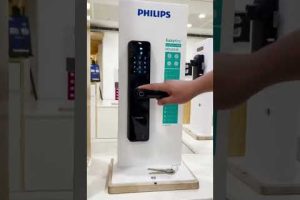
Smart locks represent a significant leap in both security and convenience. Devices like the August Wi-Fi Smart Lock and Yale Assure Lock 2 allow you to lock and unlock your door from your phone, grant temporary access to guests, and monitor entry logs in real time. Advanced users can integrate smart locks with their existing smart home ecosystem, creating automations such as automatically locking the door when you arm your security system at night. The August model preserves your existing deadbolt, making installation straightforward without replacing your entire door hardware.
Smart Home Hubs and Advanced Controllers

Serious smart home automation enthusiasts will eventually need a dedicated smart home hub. The Amazon Echo Show, Samsung SmartThings Station, and Apple HomePod Mini (acting as a HomeKit hub) serve as central command points that bridge protocols like Zigbee, Z-Wave, and Wi-Fi. A hub allows you to create complex routines — such as triggering “Goodnight” mode that simultaneously locks doors, dims lights, adjusts the thermostat, and activates security cameras. For power users, the Home Assistant platform (running on a Raspberry Pi) offers unmatched customization, supporting virtually every smart home gadget regardless of brand affiliation.
How to Compare the Best Smart Home Devices: A Quick Reference
Choosing among hundreds of connected home devices becomes significantly easier when you compare key features side by side. The table below highlights five popular categories and their top contenders:
| Device Category | Top Pick | Price Range | Best For | Key Feature |
| Smart Speaker | Amazon Echo (4th Gen) | $50-$120 | Budget-friendly hub | Zigbee built-in |
| Smart Thermostat | Ecobee SmartThermostat | $170-$250 | Energy savings | Room sensors |
| Smart Camera | Arlo Pro 5S 2K | $200-$350 | Outdoor security | Color night vision |
| Smart Lock | August Wi-Fi Smart Lock | $120-$180 | Retrofit installation | Auto-lock feature |
| Smart Plug | TP-Link Kasa Smart Plug | $10-$25 | Beginners | Voice control |
Expert Tips for Building Your Smart Home
Navigating the smart home technology landscape becomes far less daunting when you follow proven strategies from industry professionals:
- Start small and expand gradually. Resist the urge to buy everything at once. Begin with one or two devices you will genuinely use daily, then scale your smart home ecosystem organically.
- Choose a primary ecosystem. Pick either Amazon Alexa, Google Home, or Apple HomeKit as your central platform. Mixing ecosystems is possible but introduces friction and compatibility limitations.
- Prioritize devices with local control. Some IoT devices require constant cloud connectivity, meaning they stop working during internet outages. Look for products supporting local protocols like Zigbee or Matter.
- Secure your network. Change default passwords, enable two-factor authentication, and consider a separate Wi-Fi network for your connected home devices to minimize cybersecurity risks.
- Leverage routines and automation. The true power of home automation reveals itself through automated routines that eliminate repetitive manual tasks.
- Check for compatibility with Matter. The Matter protocol is rapidly becoming the universal standard for smart home gadgets, ensuring cross-brand interoperability. Investing in Matter-compatible devices future-proofs your setup.
Frequently Asked Questions About Smart Home Devices
What are the best smart home devices for a first-time buyer on a budget?
For budget-conscious beginners, the Amazon Echo Dot, TP-Link Kasa Smart Plug, and Philips Hue White bulb kit offer exceptional value. These affordable smart home gadgets introduce core automation concepts without requiring a significant financial commitment. You can build a functional starter setup for under $100.
Do smart home devices work if my internet goes down?
It depends on the device. Basic smart plugs and bulbs often retain their last scheduled settings during outages, while cloud-dependent devices like many security cameras lose remote access. Devices supporting the Matter protocol or Zigbee/Z-Wave through a local hub maintain the highest level of offline resilience, ensuring your home automation continues functioning reliably.
Are smart home devices a security risk?
Any internet-connected device carries inherent risks, but reputable smart home technology manufacturers implement strong encryption and regular firmware updates. To minimize vulnerabilities, always change default credentials, keep firmware updated, and segment your smart devices on a separate network from your primary computers and phones.
Can I build a smart home without hiring a professional?
Absolutely. The majority of consumer connected home devices are designed for self-installation. Smart plugs, bulbs, speakers, and even smart thermostats typically require only a few minutes and a smartphone app. More complex installations like smart locks or wired doorbell cameras may need basic DIY skills but rarely require professional assistance.
What is the Matter protocol and why does it matter for smart homes?
The Matter protocol is an open-source connectivity standard backed by Apple, Google, Amazon, and the Connectivity Standards Alliance. It allows smart home devices from different brands to communicate seamlessly regardless of the ecosystem. If you are planning a long-term smart home ecosystem, prioritize Matter-compatible products for maximum flexibility and future-proofing.
Which smart home device saves the most energy and money?
The smart thermostat consistently ranks as the most energy-efficient home automation device. Studies from the EPA confirm that ENERGY STAR-certified smart thermostats save an average of 8 percent on heating and 10 percent on cooling annually. When combined with smart blinds and intelligent lighting schedules, total household energy savings can reach 20 percent or more.
Final Thoughts on Choosing the Best Smart Home Devices
The landscape of smart home devices is richer and more accessible than ever before. Whether you begin with a simple smart plug or dive headfirst into a full smart home automation setup with cameras, locks, and learning thermostats, the key is to build intentionally. Focus on devices that solve real problems in your daily life, choose a cohesive ecosystem, and keep future expansion in mind through Matter-compatible hardware. The best smart home gadgets are not the ones with the flashiest features — they are the ones that quietly, consistently make your life easier, safer, and more efficient every single day. Start where you are, stay curious, and let your home evolve alongside you.