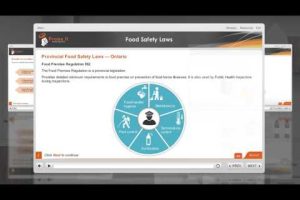
Food safety training online has become one of the most practical and accessible ways for professionals, restaurant operators, and home cooks alike to build critical knowledge about proper food handling, storage, and preparation. Whether you are a restaurant manager looking to maintain compliance with health department regulations or a small business owner trying to protect your customers and brand reputation, enrolling in a reputable online food safety course can provide the foundational skills you need — without the hassle of scheduling in-person classes. In today’s fast-paced food industry, where regulatory standards continue to evolve and consumer expectations for cleanliness and transparency are higher than ever, having a recognized food handler certificate is no longer optional; it is essential.
Why Food Safety Training Online Is Essential for the Modern Food Industry
Understanding foodborne illness prevention is at the core of every food safety training program. Each year, millions of people suffer from foodborne diseases caused by improper handling, cross-contamination, and inadequate cooking temperatures. The Centers for Disease Control and Prevention estimates that roughly one in six Americans gets sick from foodborne pathogens annually. For food service establishments, a single outbreak can result in devastating consequences — from lawsuits and health code violations to permanent reputational damage. Online food safety training addresses these risks by delivering structured, evidence-based content that covers critical topics such as the temperature danger zone, proper sanitation techniques, allergen management, and personal hygiene protocols.
What makes internet-based training particularly valuable is its flexibility. Unlike traditional classroom settings, online programs allow learners to study at their own pace, revisit complex modules, and complete coursework around demanding work schedules. This accessibility means that food handlers in rural areas, remote locations, or high-turnover industries can obtain certification without significant disruption to their daily operations. The convenience factor alone has driven a massive shift toward digital food safety education across the hospitality, healthcare, and retail food sectors.
What to Look for in a Quality Online Food Safety Training Program
Not all online food safety courses are created equal. When evaluating training platforms, it is important to look beyond price tags and flashy marketing. Several key factors determine whether a program will genuinely prepare you for real-world food safety challenges.
Accreditation and Certification Recognition
The first thing you should verify is whether the course is accredited by a recognized body or accepted by your local health department. Programs affiliated with organizations like the American National Standards Institute (ANSI) or those aligned with FDA Food Code standards carry significant weight. A certificate that is not recognized by regulatory authorities is essentially worthless in a professional setting. Before enrolling, confirm that the food handler certification you earn will satisfy local requirements for food establishments in your jurisdiction.
Comprehensive Curriculum and Updated Content
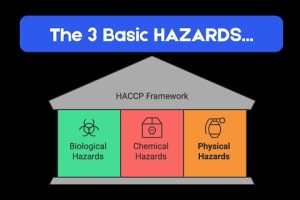
A strong online food safety course should cover the full spectrum of food protection topics. This includes proper receiving and storing of perishable goods, correct cooking and reheating temperatures, effective cleaning and sanitizing procedures, pest control awareness, and HACCP (Hazard Analysis Critical Control Points) principles. The curriculum should reflect the most recent FDA guidelines and local regulatory updates. Outdated material is a red flag — food safety science evolves constantly, and your training should keep pace with emerging pathogens, new sanitation technologies, and updated compliance mandates.

Beginner’s Guide: How to Start with Online Food Safety Training
If you are completely new to the world of food safety, the sheer volume of available courses can feel overwhelming. Here is a straightforward roadmap to get you started on the right foot.

- Identify your goal. Are you seeking a basic food handler card for employment, or do you need a more advanced credential such as a ServSafe Food Protection Manager certification? Your objective will determine the depth and type of course you need.
- Choose a reputable provider. Look for established training companies with positive reviews, transparent pricing, and clear certification outcomes. Providers like StateFoodSafety, National Registry of Food Safety Professionals (NRFSP), and the American Safety Council are widely recognized in the industry.
- Check state and local requirements. Some jurisdictions mandate specific training providers or have unique curriculum requirements. Verifying this beforehand saves time and avoids the need to retake courses unnecessarily.
- Complete the coursework and pass the exam. Most beginner courses include interactive modules, knowledge checks, and a final assessment. Passing the exam typically grants you a food handler certificate that is valid for a set period, usually one to three years.
- Keep your certificate accessible. Many health inspectors require proof of current food safety certification on premises. Store your certificate digitally and keep a printed copy available at your workplace at all times.
Starting with a beginner-friendly course ensures that you build a solid understanding of core concepts before advancing to more complex topics like microbial risk assessment or supply chain food safety management.
Advanced Food Safety Training: Elevating Your Expertise Beyond the Basics
For seasoned food safety professionals, managers, and quality assurance specialists, basic food handler courses are only the starting point. Advanced online food safety training dives deeper into regulatory frameworks, auditing methodologies, and strategic risk management. Programs at this level often cover GMPs (Good Manufacturing Practices), preventive controls under the FSMA (Food Safety Modernization Act), and detailed HACCP plan development and implementation.
These courses are particularly valuable for individuals pursuing careers in food manufacturing, pharmaceutical food contact surfaces, or third-party auditing. Completing advanced training demonstrates a commitment to excellence and positions you as a subject matter expert within your organization. Many advanced certifications also require renewal through continuing education units (CEUs), ensuring that professionals stay current with emerging food safety threats and regulatory changes. Specialized courses may also cover outbreak investigation techniques, environmental monitoring programs, and foreign material contamination prevention — skills that are increasingly demanded by employers and regulators alike.
Comparing Popular Online Food Safety Training Platforms
Choosing the right training platform can significantly impact your learning experience and the value of the certification you receive. Below is a comparison of some widely used options in the food safety training space.
| Platform | Certification Type | Approximate Cost | Duration | Key Strength |
| StateFoodSafety | Food Handler Card / Food Protection Manager | $15–$130 | 1–4 hours (handler) / 8–16 hours (manager) | ANSI-accredited, widely accepted |
| ServSafe | Food Protection Manager | $150–$200 | 8–16 hours | Industry gold standard, NRA-backed |
| Learn2Serve (360training) | Food Handler & Manager | $15–$100 | 1–8 hours | Affordable, multilingual support |
| National Registry of Food Safety Professionals | Food Protection Manager | $100–$150 | 8–12 hours | Strong exam prep resources |
| Coursera (University-based) | Food Safety Specialization | $49–$79/month | Varies by course | Academic depth, flexible schedule |
Each platform serves a different segment of the market. For quick compliance needs, a basic food handler course from StateFoodSafety or Learn2Serve is often sufficient. For those in managerial or supervisory roles, ServSafe remains the most widely recognized credential in the United States. Academic platforms like Coursera are ideal for individuals seeking a deeper theoretical understanding of food science and safety management principles.
Expert Tips for Maximizing Your Online Food Safety Learning Experience
Getting certified is one thing — truly retaining and applying the knowledge is another. Here are practical strategies to ensure you get the most out of your online food safety training:
- Treat the course like a real workplace training session. Dedicate a quiet, distraction-free environment and set a consistent study schedule. Cramming the night before your exam leads to poor retention and weak practical understanding.
- Take notes on critical control points. HACCP principles and temperature thresholds are concepts you will use daily in a food handling environment. Writing them down reinforces memory and makes review faster later on.
- Use the practice quizzes strategically. Most platforms offer practice tests before the final exam. Use these to identify weak areas and revisit those specific modules rather than rereading the entire course.
- Apply concepts immediately. If you work in a food establishment, start implementing what you learn the same day. Practical application cements theoretical knowledge and builds muscle memory for proper procedures.
- Renew your certification on time. Food safety certifications expire, and regulations change periodically. Set calendar reminders to recertify before your current credential lapses to avoid compliance gaps.
Frequently Asked Questions About Food Safety Training Online

How long does it take to complete an online food safety training course? The duration varies depending on the level of certification you are pursuing. A basic food handler course typically takes between one and four hours to complete, while a food protection manager certification program can require eight to sixteen hours of dedicated study. Self-paced online courses allow you to finish in a single session or spread the training across several days, depending on your schedule and preferred learning speed.
Is an online food safety certificate valid for employment in any state? Most food handler certificates are broadly accepted across the United States, but some states — including California, Texas, and Florida — have specific requirements regarding which certifications are recognized or whether the course must include state-specific content. Always verify your state’s health department regulations before purchasing a course to ensure it meets local compliance standards and will satisfy inspector requirements.
What is the difference between a food handler certificate and a food protection manager certification? A food handler certificate is typically a basic-level credential designed for frontline food workers, covering fundamental topics like personal hygiene, cross-contamination prevention, and time-temperature control. A food protection manager certification, on the other hand, is an advanced credential intended for supervisors and managers. It requires passing a proctored or proctored-equivalent exam and covers deeper topics such as HACCP plan development, regulatory compliance strategies, and corrective action procedures for non-conformances.
Can I take the food safety exam online, or do I need to visit a testing center? Many reputable online food safety training platforms now offer fully remote exams that are monitored through webcams or automated proctoring systems. However, some certifications — particularly the ServSafe Food Protection Manager exam — may require an in-person proctored session at an approved testing center. Always check the exam format requirements before enrolling in your chosen program to avoid unexpected scheduling conflicts.
How much does online food safety training typically cost? Prices for online food safety courses range widely depending on the level of certification and the provider. Basic food handler courses generally cost between fifteen and forty dollars, while food protection manager programs range from one hundred to two hundred dollars. More comprehensive academic specializations on platforms like Coursera operate on a monthly subscription model. Investing in a quality training program is far less expensive than dealing with a food safety violation, a customer illness claim, or a forced closure resulting from non-compliance.
Conclusion
Online food safety training has transformed the way the food industry approaches hygiene, compliance, and public health protection. Whether you are a first-time food handler seeking your initial certification or an experienced professional aiming to deepen your expertise, the right online course delivers flexible, high-quality education that fits your lifestyle and career goals. The key is to choose an accredited provider, engage actively with the material, and apply your knowledge in real-world settings. By investing in proper food safety education today, you protect not only yourself and your customers but also the long-term success and credibility of the food businesses you serve.