Whether you are a home cook looking to sharpen your kitchen habits or a food industry professional aiming to advance your career, enrolling in food safety courses online is one of the smartest investments you can make today. With the rise of digital learning platforms, obtaining a food handler certification online has never been more accessible, affordable, or convenient. These programs cover everything from basic food hygiene principles to advanced risk management strategies, giving learners the knowledge they need to handle, prepare, and store food safely. In this comprehensive guide, we will walk you through everything you need to know about online food safety training, including the best programs available, what to expect at each skill level, and how to choose the right course for your goals.
Why Food Safety Courses Online Matter More Than Ever
Foodborne illnesses affect millions of people worldwide every year, and the consequences extend far beyond temporary discomfort. According to the World Health Organization, unsafe food causes over 200 diseases, ranging from mild gastrointestinal infections to severe organ damage. This is precisely why food safety education has become a cornerstone of public health and professional food service operations. Taking food safety training courses online allows you to learn at your own pace, revisit challenging material, and stay current with the latest regulatory standards without disrupting your schedule. Whether you work in restaurants, catering, healthcare facilities, or food manufacturing, a food safety certificate online demonstrates your commitment to excellence and compliance.
The Real-World Impact of Proper Food Safety Training
Beyond regulatory compliance, proper training reduces waste, improves customer trust, and protects your business from costly recalls or closures. When staff members understand cross-contamination risks, proper temperature control, and personal hygiene protocols, the entire operation runs more smoothly and safely.
Types of Online Food Safety Courses Available
The landscape of online food safety courses is diverse, catering to different experience levels, industries, and career goals. Below is a breakdown of the most common categories you will encounter when searching for a program.
Beginner-Level Food Safety Courses
If you are new to the food industry or simply want to improve your home kitchen practices, beginner-level programs focus on foundational knowledge. These courses typically cover the four core principles of food safety: clean, separate, cook, and chill. Most beginner programs can be completed in two to four hours and result in a recognized food handler card or certificate.
- Basic food microbiology and common pathogens
- Personal hygiene and proper handwashing techniques
- Preventing cross-contamination during preparation
- Understanding temperature danger zones
- Safe receiving, storing, and thawing procedures
Intermediate-Level Food Safety Courses
Intermediate programs are designed for individuals who already hold a basic certification and want to deepen their expertise. These courses often align with the ServSafe framework or similar nationally recognized standards and explore topics such as HACCP (Hazard Analysis and Critical Control Points) principles, supplier management, and allergen awareness.
- Implementing HACCP plans in food service environments
- Allergen identification and cross-contact prevention
- Advanced cleaning and sanitation protocols
- Temperature monitoring and cold chain management
- Record-keeping and audit preparation techniques
Advanced-Level Food Safety Courses
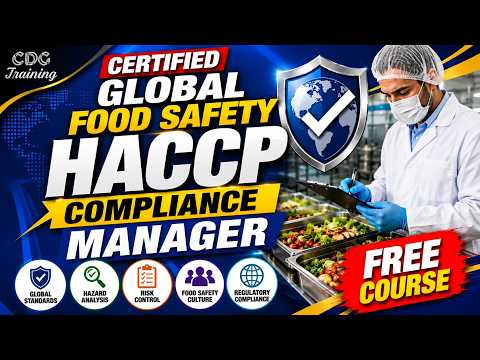
For food safety professionals, quality assurance managers, and regulatory inspectors, advanced courses delve into global food safety standards, forensic food safety, and supply chain risk analysis. These programs often lead to prestigious credentials such as the Certified Food Safety Professional (CFSP) designation or equivalent international certifications. Topics include outbreak investigation, regulatory enforcement, and food defense against intentional adulteration.
Comparison of Popular Online Food Safety Certification Programs
Choosing the right program can be overwhelming when so many options exist. The table below compares several well-known online food safety certification programs across key criteria to help you make an informed decision.
| Program | Level | Duration | Cost Range | Best For |
| ServSafe Food Handler | Beginner | 1.5–2 hours | $10–$15 | Food service workers needing quick certification |
| ServSafe Manager Certification | Intermediate | 8–16 hours | $150–$210 | Restaurant managers and supervisors |
| StateFoodSafety.com | Beginner–Intermediate | 1–4 hours | $12–$65 | Flexible, state-specific compliance needs |
| 360training | Beginner–Advanced | 1–8 hours | $12–$125 | Budget-conscious learners and bulk enrollment |
| NEHA Certification Programs | Advanced | 40+ hours | $300–$600 | Food safety professionals seeking credentials |
When reviewing these options, pay close attention to accreditation, state-specific acceptance, and whether the program is ANSI-accredited or recognized by your local health department. Not all certificates carry the same weight, and some employers or jurisdictions require specific programs.
How to Choose the Best Food Safety Course Online
With hundreds of platforms offering food safety training courses online, finding the one that truly delivers value requires careful evaluation. Here are the most important factors to consider before enrolling.
Accreditation and Industry Recognition
The most credible programs are accredited by reputable organizations such as ANSI (American National Standards Institute), the Conference for Food Protection, or the National Environmental Health Association. Always verify that the certificate you earn will be accepted by your employer, local health department, or regulatory body.
Course Content and Curriculum Depth
A high-quality online food safety course should cover more than just basic definitions. Look for programs that include interactive modules, real-world case studies, quizzes at the end of each section, and downloadable resources. The curriculum should be regularly updated to reflect the latest FDA Food Code revisions and local regulatory changes.
Flexibility and Learning Format
One of the primary advantages of online food safety courses is the ability to learn on your schedule. The best platforms offer mobile-friendly interfaces, 24/7 access, and the option to pause and resume lessons. Some even provide printable study guides and practice exams to help you prepare for the final assessment.
Cost vs. Value
While price should not be the only deciding factor, it is important to weigh what you receive for your investment. A $12 beginner course may be sufficient for a food handler card, but if you are preparing for a managerial role, spending $150–$200 on a comprehensive program like ServSafe Manager will provide far greater depth and long-term value.
Expert Tips for Succeeding in Online Food Safety Training
Even though these courses are designed to be self-paced, adopting a strategic approach will significantly improve your learning outcomes and exam performance.
- Set a dedicated study schedule. Block out 30 to 60 minutes per session to avoid cramming, which reduces retention and understanding.
- Take notes on key concepts. Writing down critical information such as temperature thresholds and time limits reinforces memory and recall.
- Use practice exams. Many platforms offer mock tests that mirror the real certification exam format and question styles.
- Focus on weak areas. If you struggle with topics like allergen management or HACCP planning, revisit those modules multiple times before attempting the final assessment.
- Apply what you learn in real settings. Whether at work or home, practicing proper food handling techniques after completing each module bridges the gap between theory and practical skill.

The Future of Online Food Safety Education
The field of online food safety training continues to evolve with advances in technology and changing consumer expectations. Artificial intelligence-powered learning tools, virtual reality simulations for kitchen environments, and gamified assessment modules are making food safety education more engaging and effective than ever before. As regulatory bodies worldwide tighten food safety standards, the demand for qualified professionals with recognized certifications will only grow.
Investing in food safety courses online today positions you not only for compliance but also for a competitive edge in the food industry. Whether you are starting your first job in a restaurant kitchen or managing a multi-location food production facility, continuous learning in food safety is the foundation of a successful and reputable career.
Frequently Asked Questions
What are the best online food safety courses for beginners?
For beginners, programs like ServSafe Food Handler, StateFoodSafety.com, and 360training are widely regarded as the best options. These courses are affordable, ANSI-recognized, and typically take under two hours to complete. They cover essential topics such as personal hygiene, cross-contamination prevention, and temperature control, making them ideal for food service workers and home cooks alike.
How long does it take to get a food safety certificate online?
The time required depends on the level of the course. A basic food handler certification online can be completed in as little as 90 minutes, while an intermediate program like ServSafe Manager typically requires 8 to 16 hours of study spread over several days. Advanced professional certifications may take 40 or more hours to finish. Most learners complete beginner and intermediate courses within one to two weeks of part-time study.
Are online food safety courses recognized by health departments?
Yes, most reputable online food safety courses are recognized by local and state health departments, provided they carry proper accreditation such as ANSI certification. However, acceptance varies by jurisdiction, so it is essential to verify that the specific program you choose meets the requirements of your local regulatory authority before enrolling.
Can I take a food safety course online for free?
Some platforms offer free introductory modules or trial lessons, but fully accredited and recognized food safety certificate online programs typically require a fee ranging from $10 to $200 or more, depending on the level. Free courses may provide general knowledge but usually do not result in a certificate that employers or health inspectors will accept.
What is the difference between a food handler card and a food safety manager certification?
A food handler card is a basic-level certificate that demonstrates fundamental food safety knowledge and is typically required for entry-level food service workers. A food safety manager certification, such as the ServSafe Manager Certificate, is an advanced credential intended for supervisory roles and requires a more comprehensive exam covering topics like HACCP, sanitation management, and regulatory compliance.
In summary, food safety courses online offer a flexible, affordable, and industry-recognized pathway for anyone involved in food handling, preparation, or management. From beginner-level food handler cards to advanced professional certifications, the right course equips you with the knowledge and credentials to excel while keeping food safe for consumers. Choose a program that matches your experience level, verify its accreditation, and commit to continuous learning — because in food safety, staying informed is the most powerful tool you have.