When we talk about examples of social sites, we are referring to the digital platforms that connect billions of people worldwide for communication, content sharing, networking, and community building. Whether you are a digital marketer researching social media platforms list, a business owner exploring social networking sites for business growth, or simply someone curious about the digital landscape, understanding the major players in social networking is essential. This guide covers the most prominent social media websites and apps, breaks down their unique strengths, and helps you identify which platforms align best with your goals.
What Are Social Sites and Why Do They Matter?
Social sites are online platforms that enable users to create profiles, share content, interact with others, and build networks. Unlike traditional websites, social networking platforms are built around user-generated content, real-time interaction, and community engagement. These platforms have evolved from simple messaging boards into complex ecosystems that drive commerce, news dissemination, entertainment, and even political movements. Understanding the best examples of social networking sites gives you a clear picture of where audiences spend their time online and how to leverage these spaces effectively.
Major Examples of Social Networking Sites
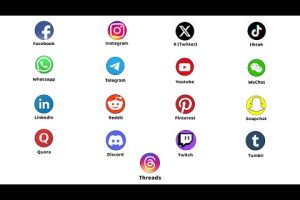
Facebook: The Global Social Giant
Facebook remains the largest social networking platform in the world, with over 3 billion monthly active users. Originally launched in 2004 as a college networking tool, Facebook has expanded into a full-spectrum platform supporting text posts, photo albums, video uploads, live streaming, marketplace commerce, and group communities. Facebook Groups allow niche communities to form around shared interests, making it one of the most powerful social media platforms for community building. Businesses use Facebook Pages and Facebook Ads to reach highly targeted demographics. If you are looking at popular social media sites, Facebook consistently tops the charts across virtually every demographic segment.
X (formerly Twitter): The Real-Time Conversation Engine
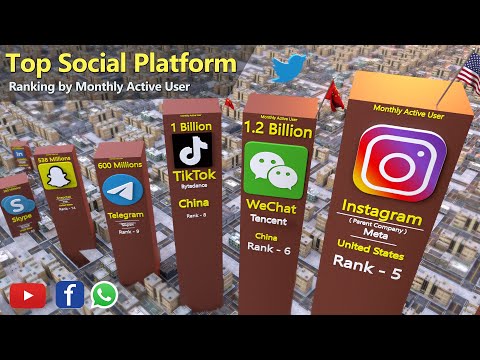
X, previously known as Twitter, redefined real-time social interaction. With approximately 550 million monthly active users, X excels at short-form text updates, trending topics, and public discourse. Journalists, politicians, brands, and thought leaders flock to X for instant news updates and public conversations. The platform’s character limit (now expanded to 25,000 characters for premium users) encourages concise, punchy communication. X Spaces introduced audio live-streaming, and the platform’s algorithmic timeline has made content discovery more dynamic than ever. When compiling a list of social networking sites, X is indispensable for anyone focused on real-time engagement and public conversation.
Instagram: The Visual Storytelling Powerhouse
Instagram revolutionized social media by putting visual content first. With over 2 billion monthly active users, it has become the go-to platform for photo sharing, short-form video through Reels, and influencer marketing. Instagram’s features — Stories, Direct Messages, Explore feed, and Shopping — create a layered user experience that goes far beyond simple image posting. Brands that prioritize aesthetic content and brand storytelling find Instagram invaluable. The platform’s algorithm favors engagement signals like saves and shares, rewarding creators who produce resonant visual content.
LinkedIn: Professional Networking at Scale
LinkedIn stands apart as the premier professional social networking site with over 950 million members across 200+ countries. Unlike consumer-focused platforms, LinkedIn centers on career development, industry discussions, B2B marketing, and recruitment. Users build professional profiles, publish articles, share industry insights, and connect with colleagues and potential clients. LinkedIn Pulse and the creator mode features have made it a powerful content marketing channel for thought leaders. When searching for social media sites for professionals, LinkedIn is always the top recommendation.
Niche and Emerging Social Platforms
Beyond the major players, several niche social networking platforms cater to specific communities and use cases. Reddit, often called “the front page of the internet,” organizes content into topic-specific communities called subreddits, enabling deep-dive discussions on everything from technology to cooking. TikTok has exploded as the leading short-form video platform, leveraging an addictive algorithm that serves personalized content to over 1.5 billion users. Pinterest functions as a visual discovery engine, where users curate mood boards and explore ideas rather than engaging in traditional social interactions. Discord has carved out a massive niche in community-based voice and text communication, particularly among gamers and creator communities.
Other Notable Examples of Social Sites
- Snapchat — A multimedia messaging app popular among younger demographics, known for ephemeral content and AR filters.
- Threads — Meta’s text-based social app designed as a competitor to X, integrated with Instagram accounts.
- WhatsApp — A messaging giant with over 2 billion users, heavily used for personal and business communication worldwide.
- YouTube — The world’s second-largest search engine and a dominant video-sharing social platform.
- Twitch — A live-streaming platform focused primarily on gaming, creative content, and real-time audience interaction.
Comparison of Popular Social Networking Platforms
The table below provides a side-by-side comparison of the leading social media platform examples across key metrics that matter for both individuals and businesses.
| Platform | Monthly Active Users | Primary Content Type | Best For | Key Strength |
| 3+ billion | Text, photo, video, groups | Community building, local business, ads | Largest user base and advanced ad targeting | |
| X | ~550 million | Short text, links, images | Real-time news, public discourse | Trends and real-time conversation |
| 2+ billion | Photos, Reels, Stories | Visual branding, influencer marketing | Aesthetic content and high engagement | |
| 950+ million | Articles, professional posts | B2B marketing, recruiting, networking | Professional audience and thought leadership | |
| TikTok | 1.5+ billion | Short-form video | Brand awareness, viral content | Algorithm-driven content discovery |
| 430+ million | Text discussions, links, images | Community engagement, niche topics | Deep, organized community discussions |
How to Choose the Right Social Platform for Your Goals
Selecting the right social media platforms depends entirely on your objectives, target audience, and content strategy. Here are practical steps to guide your decision:
- Define your audience. Research where your ideal demographic spends time online. Younger audiences gravitate toward TikTok and Instagram, while professionals cluster on LinkedIn.
- Match your content type. If you excel at video production, TikTok and YouTube are natural fits. If your strength is writing, X or LinkedIn may be more effective.
- Consider your goals. Brand awareness demands platforms with broad reach like Instagram and TikTok. Lead generation and B2B outreach align better with LinkedIn.
- Test and iterate. Start with two or three platforms, measure engagement metrics, and double down on what works.
- Stay adaptable. The social media landscape evolves constantly. New platforms like Threads and Lemon8 emerge, and algorithm changes reshape existing ones.
Expert Tips for Maximizing Social Platform Impact
- Consistency matters more than volume. Posting three high-quality pieces of content weekly outperforms daily low-effort posts on most platforms.
- Engage authentically. Respond to comments, participate in conversations, and avoid overly promotional messaging on social media sites.
- Leverage analytics. Every major social networking website offers built-in insights. Use them to understand what resonates with your audience.
- Cross-post strategically. Repurpose core content across platforms but tailor the format and tone to each site’s unique culture.
Conclusion
The landscape of examples of social sites is vast, diverse, and constantly evolving. From the global reach of Facebook and X to the visual power of Instagram, the professional depth of LinkedIn, and the viral momentum of TikTok, each platform serves a distinct purpose within the broader social media ecosystem. Whether you are a creator, entrepreneur, or marketer, understanding these platforms inside and out is the foundation of any successful digital strategy. The key is not to be everywhere at once — it is to be where your audience already is and deliver genuine value that keeps them coming back.
Frequently Asked Questions (FAQs)
The top five social networking sites by user base and influence in 2025 are Facebook, Instagram, LinkedIn, TikTok, and X (formerly Twitter). Each serves a distinct purpose — from community and commerce to professional networking and viral video content — making them the most widely used social media platforms worldwide.
Small businesses benefit most from Instagram for visual branding, Facebook for local community engagement and targeted ads, LinkedIn for B2B networking, and TikTok for viral brand awareness. The best choice depends on your target audience and the type of content you can consistently produce.
TikTok and Threads are among the fastest-growing social networking platforms in recent years. TikTok’s algorithm-driven short-form video format has attracted massive global engagement, while Threads has quickly gained traction as a text-based social app integrated with Instagram’s ecosystem.
Niche platforms like Reddit organize content into highly specific communities called subreddits, fostering deep, topic-focused discussions rather than broad personal networking. Unlike mainstream social media websites that prioritize follower counts and viral reach, Reddit emphasizes anonymity, community moderation, and genuine interest-based engagement.
Absolutely. LinkedIn remains the dominant professional social networking site, but X and even niche platforms like GitHub and Behance serve professional communities effectively. Maintaining an active presence on relevant social platforms for professionals can significantly enhance visibility, networking opportunities, and career advancement.