


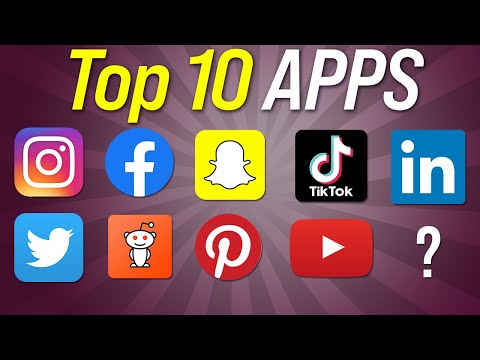
When it comes to choosing the best social media platforms for personal branding, business growth, or community building, the landscape can feel overwhelming. Every year, new social media apps emerge while established platforms evolve their algorithms, features, and monetization tools. Whether you are an entrepreneur searching for the best social media channel to drive sales, a content creator hunting for maximum engagement, or a marketer planning a multi-platform strategy, understanding which networks deliver the strongest return on investment is absolutely critical. This guide breaks down the top social media platforms in detail, compares them side by side, and provides actionable recommendations to help you pick the right social media platform for your specific goals.
Best Social Media Platforms Ranked for 2024
Not all social networks are created equal. Some platforms dominate in video content, others thrive on visual storytelling, and a few remain unmatched for professional networking. Below is a breakdown of the strongest platforms ranked by their overall impact and versatility.
1. YouTube
YouTube remains the undisputed king of long-form video content and the second-largest search engine in the world. The platform’s algorithm rewards watch time and engagement depth, making it ideal for creators who produce in-depth tutorials, reviews, documentaries, and educational content. With over 2.5 billion monthly logged-in users, YouTube offers unmatched discoverability through search engine optimization on social media. Channels that leverage keyword-rich titles, detailed descriptions, and compelling thumbnails consistently outperform those that neglect these fundamentals.
2. Instagram
Instagram continues to be a powerhouse for visual storytelling and brand building. The platform’s shift toward Reels and short-form video content has opened massive new opportunities for creators looking to grow an audience organically. Instagram’s shopping features and community tools like Stories, polls, and broadcast channels make it one of the best social media platforms for e-commerce brands and lifestyle influencers alike. The Explore page algorithm ensures that even smaller accounts can reach millions if their content resonates strongly with target audiences.
3. TikTok
TikTok revolutionized short-form video with its hyper-engagement algorithm that prioritizes content relevance over follower count. This makes it arguably the best social media platform for rapid organic growth. Unlike Instagram or YouTube, where follower base heavily influences reach, TikTok’s For You Page can propel a brand-new account to millions of views overnight. Brands and creators who understand TikTok’s trend-driven culture and native editing tools gain a significant competitive advantage in the social media marketing ecosystem.
4. X (formerly Twitter)
X remains a vital platform for real-time conversations, news, and thought leadership. It is particularly effective for B2B marketers, journalists, and public figures who want to participate in trending conversations and build authority in niche communities. The platform’s text-first format and hashtag ecosystem make it one of the best social media sites for content that sparks discussion and drives viral reach without heavy production requirements.
5. LinkedIn
LinkedIn stands alone as the premier professional networking and B2B lead generation platform. The platform has aggressively expanded its content formats to include video, newsletters, and carousel posts, making it one of the best social media platforms for thought leadership and employer branding. LinkedIn’s algorithm increasingly rewards personal storytelling and original insights over promotional content, which has dramatically improved organic reach for individual creators and company pages alike.
6. Facebook
Despite concerns about declining younger demographics, Facebook remains one of the most powerful social media platforms for local businesses, community groups, and targeted advertising. Facebook Groups continue to be goldmines for niche communities, and the platform’s advanced ad targeting system allows businesses to reach highly specific audiences with surgical precision. For businesses focused on local marketing or serving older demographics, Facebook is still arguably the best social media channel to prioritize.
How to Choose the Best Social Media Platform for Your Goals
Selecting the right platforms from the vast social media ecosystem depends entirely on what you are trying to achieve. A one-size-fits-all approach rarely works because each platform serves different audiences, content formats, and business objectives.
Start by defining your primary goal:
- Brand awareness and viral reach — TikTok, YouTube Shorts, Instagram Reels
- Lead generation and B2B sales — LinkedIn, Facebook, X
- E-commerce and product sales — Instagram, Pinterest, TikTok Shop
- Community building and engagement — Facebook Groups, Reddit, Discord
- Educational content and evergreen traffic — YouTube, LinkedIn Articles
- Personal networking and reputation — X, LinkedIn
Consider your target audience demographics: The most popular social media platforms attract different age groups and psychographic profiles. Gen Z gravitates heavily toward TikTok, millennials and Gen X remain active on Facebook and Instagram, while professionals dominate LinkedIn. Understanding your ideal audience’s platform habits is essential for allocating your time and resources effectively.
Evaluate your content strengths: If you excel at on-camera video, YouTube and TikTok are natural fits. If your talent lies in photography and visual design, Instagram and Pinterest will serve you best. Writers and thinkers often find the most success on X and LinkedIn. Choosing the best social media platform for your skill set dramatically increases your chances of consistent content production and long-term success.
Social Media Platform Comparison Table
Here is a detailed comparison of the top platforms to help you evaluate which social media networks deserve your focus.
| Platform | Primary Format | Best For | Average Organic Reach | Monetization Options |
| YouTube | Long-form & short-form video | Evergreen content, SEO, education | High (search-driven) | Ad revenue, sponsorships, memberships |
| Photos, Reels, Stories | Brand building, e-commerce, lifestyle | Moderate (algorithm-dependent) | Brand deals, affiliate links, shopping | |
| TikTok | Short-form vertical video | Viral growth, trends, Gen Z audience | Very high (For You Page algorithm) | Creator fund, brand partnerships, live gifts |
| Text, carousels, video | B2B marketing, professional networking | High for niche content | Premium subscriptions, lead generation | |
| X (Twitter) | Text, short media | Real-time engagement, thought leadership | Moderate (trend-dependent) | Creator revenue sharing, tips |
| Posts, video, groups | Local business, community, older demographics | Moderate to high in groups | Marketplace, ads, group monetization |
Expert Tips for Maximizing Social Media Growth
Once you have identified which social media platform aligns with your goals, implementing proven strategies will accelerate your results. Here are expert-level recommendations that go beyond basic posting advice.
- Hook viewers within the first 1.5 seconds. Whether you are creating content for TikTok, Instagram Reels, or YouTube Shorts, the opening frame determines whether a user swipes away or watches. Use pattern interrupts, bold text overlays, or surprising visuals immediately.
- Repurpose content across platforms strategically. A single long-form YouTube video can be clipped into multiple TikTok and Reels posts, adapted into LinkedIn carousels, and turned into X threads. This maximizes content ROI without requiring constant original production.
- Engage authentically in comments and communities. The best social media strategies prioritize genuine interaction over broadcast-style posting. Respond to every meaningful comment, participate in relevant conversations, and add value to communities without self-promotion.
- Analyze your analytics weekly. Each social media platform provides native insights that reveal which content formats, posting times, and topics resonate most. Use this data to refine your strategy continuously rather than guessing what works.
- Diversify your presence. Relying on a single platform is a significant risk. Algorithm changes, policy updates, or account restrictions can eliminate your entire audience overnight. Maintain a presence on at least two or three complementary platforms to build resilience.
Common Mistakes to Avoid When Building a Social Media Presence

Many aspiring creators and marketers make preventable errors that stall their growth on the most popular social media platforms. Avoid these common pitfalls to accelerate your progress.
- Chasing every trend without strategic alignment. Jumping on every viral format can dilute your brand identity and confuse your audience. Stay true to your niche while selectively adopting trends that align with your message.
- Ignoring the importance of consistency. The best social media platforms reward accounts that post regularly. An erratic posting schedule signals to algorithms that your content is not valuable enough to prioritize.
- Neglecting search optimization. Platforms like YouTube, TikTok, and X function as search engines. Using relevant keywords in captions, titles, and hashtags dramatically improves discoverability.
- Focusing on vanity metrics over genuine engagement. Follower count means little if your audience does not engage meaningfully with your content. Prioritize comments, saves, shares, and watch time over raw numbers.
Conclusion
Determining the best social media platform for your needs requires honest self-assessment about your goals, audience, and content capabilities. The social media landscape in 2024 offers incredible opportunities across YouTube, Instagram, TikTok, LinkedIn, X, and Facebook — each serving distinct purposes and demographics. Rather than trying to master every platform simultaneously, focus on two or three channels where your target audience is most active and where your content strengths align naturally. Consistency, authenticity, and data-driven optimization will always outperform chasing shortcuts. Start with one or two platforms, deliver genuine value, and expand strategically as your audience grows.
Frequently Asked Questions

For beginners, TikTok and Instagram offer the most accessible entry points with strong organic reach potential. TikTok’s algorithm allows new accounts to gain massive visibility without an existing follower base, while Instagram provides versatile content formats and robust business tools that make learning social media marketing fundamentals straightforward.
TikTok’s For You Page algorithm is widely regarded as delivering the highest organic reach of any social media platform because it prioritizes content quality and relevance over follower count. YouTube also offers exceptional organic reach for search-driven content, particularly for evergreen videos optimized with strong SEO practices.
Instagram and Facebook remain the best social media platforms for small businesses due to their integrated shopping features, local discovery tools, and highly targeted advertising systems. LinkedIn is also excellent for B2B service businesses looking to generate qualified leads through professional networking and content marketing.
Most experts recommend focusing on two to three platforms maximum when starting out. Spreading yourself too thin across the best social media channels leads to burnout and diluted content quality. Master your chosen platforms first, then expand to additional networks once you have established a consistent content workflow.
YouTube offers the most robust and diverse monetization ecosystem, including ad revenue sharing, channel memberships, Super Chats, and brand sponsorship opportunities. TikTok’s creator fund and live gifting features also provide direct income, while Instagram’s brand partnership ecosystem rewards creators with strong engagement rates and loyal niche audiences.