


Car window tinting is one of the most popular aftermarket upgrades for vehicles, and for good reason. Beyond just giving your car a sleek, polished look, quality window tinting protects your interior from harmful UV rays, reduces glare on the road, keeps cabin temperatures cooler, and adds a layer of privacy. But whether you’re a first-time car owner exploring auto tinting tips or a seasoned DIY enthusiast looking to refine your technique, there’s always something new to learn. This comprehensive car window tint guide covers everything from beginner fundamentals to advanced installation strategies, helping you achieve professional-grade results every single time.
Why Car Window Tinting Is Worth Your Investment
Before diving into the how-to, it’s important to understand why vehicle window tinting deserves your attention. The benefits go far deeper than aesthetics.
Protection Against UV Radiation
Prolonged exposure to ultraviolet rays can fade your dashboard, seats, and trim materials over time. High-quality window tint blocks up to 99% of UV-A and UV-B radiation, preserving your car’s interior and protecting your skin during long drives.
Heat Reduction and Comfort
Infrared-rejecting tint films can lower cabin temperatures by as much as 15°F. This means less reliance on your air conditioning, which translates to improved fuel efficiency — a detail that matters to every car owner.
Glare Reduction and Safety
Glare from sunlight, headlights, and reflective surfaces is a leading cause of driver fatigue and accidents. Tinting diffuses this light, giving you clearer, more comfortable vision behind the wheel.
Enhanced Privacy and Security

Darker tint levels deter prying eyes from seeing inside your vehicle, adding a meaningful layer of personal security.
Types of Window Tint Films for Cars
Choosing the right film is arguably the most critical decision in your car window tinting journey. Each type comes with distinct properties, price points, and performance characteristics.
Comparison of Popular Tint Film Types
| Film Type | Heat Rejection | UV Protection | Durability | Price Range |
| Dyed Film | Moderate | Good | Average (3-5 yrs) | $50-$150 |
| Metalized Film | High | Very Good | Good (5-7 yrs) | $100-$250 |
| Ceramic Film | Very High | Excellent | Excellent (7-10 yrs) | $200-$500 |
| Carbon Film | High | Good | Very Good (5-8 yrs) | $150-$350 |
| Hybrid Film | High | Very Good | Good (5-7 yrs) | $120-$300 |
Dyed Films — The Budget-Friendly Entry Point
Ideal for beginners, dyed window film offers solid color enhancement at an affordable price. However, it tends to fade over time and provides less heat rejection than ceramic or metalized options.
Ceramic Films — The Gold Standard
Ceramic auto tinting solutions deliver outstanding thermal performance without interfering with electronic signals. They’re scratch-resistant, fade-proof, and represent the best long-term value despite the higher upfront cost.
Beginner Tips: Getting Started with Car Window Tinting
If you’ve never applied tint to a vehicle before, start here. These foundational auto window tinting tips will set you up for success.
- Check Your Local Laws First. Tint darkness regulations vary by state and country. Most jurisdictions have specific limits on visible light transmission (VLT) for front, rear, and windscreen windows. Violating these can result in fines and forced removal.
- Clean Your Windows Thoroughly. Any dust particle or residue trapped under the film will create bubbles and imperfections. Use a dedicated glass cleaner and a microfiber cloth — never paper towels.
- Start with the Rear Window. The rear windshield is usually the easiest surface to practice on. It’s flat, rarely has curved edges, and mistakes here are less visible.
- Use a Quality Squeegee. A hard-edge squeegee removes solution from beneath the film far more effectively than soft rubber tools. This prevents water pockets and adhesion failure.
- Work in a Dust-Free Environment. Dust is the number-one enemy of a clean tint application. A garage or covered bay is far superior to open-air installation.
Intermediate Car Window Tinting Tips for Better Results
Once you’re comfortable with the basics, these techniques will elevate the quality of your work significantly.
Mastering the Wet Application Method
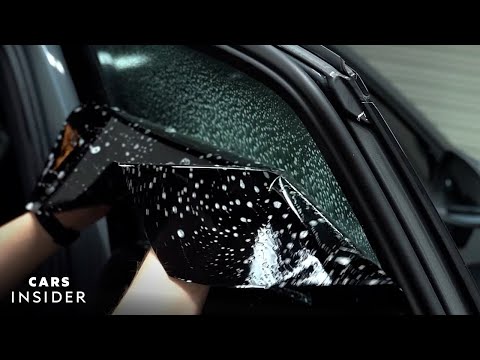
The wet method — also called the soap-and-water technique — involves spraying a diluted soap solution on both the window and the adhesive side of the film. This gives you sliding time to position the film perfectly before squeegeeing out all the liquid. The key is using the right soap-to-water ratio. Too much soap creates excessive slipperiness; too little provides insufficient adjustment time. A ratio of about 10:1 (water to mild dish soap) works reliably for most installers.
Handling Curved and Complex Windows
Modern vehicles often have curved side windows, triangular quarter windows, and compound-curve windshields. For these surfaces, the dry application method or pre-heating the film with a heat gun can improve conformability. Always heat from the center of the film outward to avoid trapping air at the edges.
Cutting Precise Edges
Use a sharp razor blade held at a 45-degree angle against the glass edge. A dull blade will crack the film rather than slicing it cleanly. For tight spots like door jamb channels, make small relief cuts rather than trying to force the film into place.
Advanced Vehicle Window Tinting Techniques

Removing Factory Defogger Lines
Many rear windows come with defroster grid lines that can interfere with tint adhesion and visibility. Advanced installers use a careful scoring technique: first tint the window fully, then use a precision razor to trace along each defogger line, lifting the film slightly and re-squeegeeing to bond around the wires. This creates an almost invisible finish that preserves defroster functionality.
Multi-Layer Tinting for Maximum Performance
Some professionals apply a ceramic layer on top of a dyed base layer to combine deep black shading with superior infrared rejection. This approach requires careful alignment and patience, since any misalignment between layers creates visible separation. It’s a technique best attempted after you’ve logged several successful single-layer installations.
Color-Matching and Custom Gradient Tints
For those who want a unique look, gradient tinting — fading from dark at the top to lighter at the bottom — is achievable using a gradient film or by hand-cutting multiple layers. This demands steady hands and precise measurement but yields stunning, custom results.
Common Car Window Tinting Mistakes to Avoid
- Ignoring VLT limits: Always verify your local regulations before purchasing film. This is the most common reason for tint removal.
- Rushing the curing process: Tint needs 2-4 weeks to fully cure. During this period, avoid rolling down windows or using harsh cleaning chemicals on the glass.
- Skipping edge sealing: The perimeter of the film is most vulnerable to peeling. Apply a clear edge sealant or use a heat gun to lightly bond the borders.
- Choosing the wrong VLT for your needs: If you drive at night frequently, a 70% VLT on front windows is safer than a 20% VLT. Reserve darker tints for rear and side windows.
- Applying film in direct sunlight: Hot glass causes the adhesive to set too quickly, giving you almost no room for adjustment.
Maintaining Your Tinted Windows for Longevity
Your investment in quality car window film deserves proper upkeep. Here are expert maintenance recommendations:
- Wait before cleaning: Allow at least 7 days post-installation before washing your windows. Use ammonia-free glass cleaners exclusively.
- Use soft microfiber cloths: Abrasive materials will scratch and degrade the tint surface over time.
- Avoid sharp objects inside the cabin: Items like GPS mounts with metal bases can scratch the film if placed directly against it. Use felt pads or mounts designed for tinted glass.
- Inspect edges regularly: Catching a peeling edge early and re-bonding it with heat extends your tint’s lifespan dramatically.
How Long Does Car Window Tint Last?
Depending on the film quality and installation environment, expect 5-10 years of service from professional-grade ceramic or metalized tint. Budget dyed films typically need replacement every 3-5 years. Extreme climates with intense sun exposure may shorten these timelines.
Conclusion
Car window tinting is a rewarding project that combines practical benefits with personal expression. Whether you’re protecting your investment from sun damage, improving driving comfort, or simply giving your vehicle a distinctive appearance, following the right car window tinting tips makes all the difference. Start with the basics, practice on less critical windows, and gradually work your way toward advanced techniques. The result will be a flawless, long-lasting tint job that rivals — and often surpasses — what any professional shop could deliver. Take your time, choose quality film, and enjoy the drive.
Frequently Asked Questions About Car Window Tinting
What is the best tint percentage for car windows?
The ideal visible light transmission (VLT) depends on your driving conditions and local laws. For front side windows, 35% VLT is a widely popular choice that balances privacy with safe nighttime visibility. Rear windows can go as dark as 5-20% since they don’t affect driver visibility. Windshield tinting is typically restricted to the top 4-6 inches in most states.
Can you tint car windows yourself, or should you hire a professional?
Beginners can absolutely tint their own car windows, particularly the rear and back quarter panels. Starter kits cost between $50 and $150 and include film, squeegees, and solution. However, for complex curved windows or front windshields, professional installation is strongly recommended to ensure precision, legal compliance, and warranty coverage.
How much does professional car window tinting cost?
Professional vehicle window tinting prices range from $150 for basic dyed film on all windows to $600 or more for premium ceramic installation on a full-size SUV. Sedans typically fall between $200 and $450. The cost varies based on film brand, number of windows, vehicle size, and the complexity of the glass shapes.
Does car window tinting interfere with GPS or phone signals?
Standard dyed and carbon films do not affect electronic signals. Metalized and hybrid films can occasionally cause minor interference with GPS navigation or AM radio reception. Ceramic tint films are specifically engineered to be signal-friendly, making them the safest choice for anyone who relies heavily on in-car connectivity.
What is the best way to fix bubbles in car window tint?
Small bubbles usually resolve on their own during the curing period. For persistent bubbles, carefully lift the affected area with a razor, spray additional soap solution underneath, re-position, and squeegee out the excess. Large bubbles or peeling sections may require a partial re-application of the film.
Are there any health benefits to tinting your car windows?
Yes. Quality window tinting significantly reduces UV exposure, which lowers the risk of skin damage and sunburn during daily commutes. It also reduces eye strain from glare, contributing to less fatigue and improved focus on long drives. These health benefits make auto window tinting a worthwhile investment beyond aesthetics.