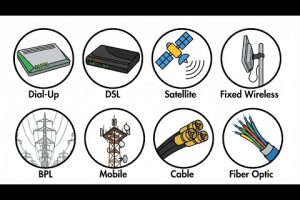
Finding the right cable in my area can feel overwhelming, especially when you’re moving to a new home or switching service providers for the first time. With dozens of cable TV and internet companies competing for subscribers across different regions, knowing exactly what’s available where you live makes all the difference. Whether you’re looking for bundled cable TV and internet deals, standalone cable internet plans, or premium entertainment packages, understanding your local options saves time, money, and frustration. This comprehensive guide walks you through everything you need to know about locating cable services in your area, comparing providers, evaluating plans, and making an informed decision that fits your household’s needs.
Understanding Cable TV and Internet Services in Your Area
Cable services have evolved significantly over the past decade. What was once a simple television subscription now often includes high-speed internet, streaming integrations, and on-demand content libraries. When you search for cable TV providers near me, you are typically looking at companies that use coaxial or fiber-coaxial infrastructure to deliver signals directly to your home. These providers operate within specific geographic territories, meaning availability varies dramatically from one zip code to the next.
The cable industry is dominated by a handful of major national and regional companies, including Comcast Xfinity, Charter Spectrum, Cox Communications, Altice USA (Optimum), and Mediacom. Each of these providers has distinct coverage areas, pricing structures, and service tiers. Some also offer satellite and streaming alternatives, but their core business remains cable infrastructure. Understanding which company serves your neighborhood is the critical first step in finding the best deal.
Why Cable Availability Varies by Location
Cable infrastructure is a significant investment, and providers only lay lines in areas where they expect sufficient subscriber density to justify the cost. Rural areas often have fewer cable options, while urban and suburban neighborhoods typically enjoy robust competition among multiple providers. Additionally, franchise agreements with local municipalities dictate which companies can operate in specific regions, further shaping the landscape of what cable in my area actually looks like for each household.
How to Find Cable Providers Near You
The process of identifying available cable services in your location is more straightforward than most people assume. Here are the most effective methods:
- Use online coverage map tools — Most major cable providers offer interactive maps on their websites where you can enter your address and instantly see whether service is available.
- Check local zip code databases — Websites like Allconnect, BroadbandNow, and CableTV.com aggregate provider availability by zip code, giving you a side-by-side comparison of all options.
- Call local providers directly — Sometimes the fastest way to confirm availability is to call the customer service line of a provider you are interested in and provide your exact address.
- Ask neighbors and community forums — Local Facebook groups, Nextdoor, and Reddit communities often have real-world insights into which cable companies work well in specific neighborhoods.

Using Online Tools and Coverage Maps Effectively
When you visit a provider’s coverage map, always enter your precise street address rather than just your zip code. Many providers advertise availability at the zip code level but restrict actual service to certain streets or blocks within that zip code. Entering your full address eliminates guesswork and ensures the results reflect your specific location. Additionally, pay attention to whether the tool shows both TV and internet availability separately — some areas may have cable internet but not traditional cable TV packages, or vice versa.
Checking with Local Zip Codes for Accurate Results
Zip code-level searches give you a broad picture, but they can sometimes be misleading. A provider might list your zip code as served territory, yet your specific apartment building or subdivision may not have active cable infrastructure. Always verify at the address level before committing to a contract or scheduling installation. This small step prevents the common frustration of signing up for service only to discover a delay or denial in installation.
Top Cable Providers by Region
The cable landscape in the United States is largely shaped by regional monopolies and duopolies. Here is a breakdown of the leading providers and the regions they serve:
- Comcast Xfinity — The largest cable provider in the US, serving over 30 states, particularly dominant in the Northeast, Midwest, and West Coast.
- Charter Spectrum — Formerly Time Warner Cable and Bright House Networks, Spectrum covers a wide swath of the country including the Southeast, Northeast, and Midwest.
- Cox Communications — Primarily serves the Southwest, including Arizona, California, and Virginia, with strong internet and TV bundles.
- Altice USA (Optimum) — Operates extensively in the Northeast, particularly in New York, New Jersey, and Connecticut.
- Mediacom — Focuses on mid-sized markets and rural-to-suburban areas across the Southeast, Midwest, and South.
Comparing Cable TV Plans and Pricing
Once you know which providers serve your area, the next step is comparing plans. Cable TV pricing has become increasingly complex, with providers offering introductory rates that spike after the first 12 months. Here is a comparison of what you can typically expect from major providers:
| Provider | Starting Price (/mo) | Channel Count | Contract Term | Internet Bundle Available |
| Xfinity | $39.99 | 185+ | 12 months | Yes |
| Spectrum | $49.99 | 125+ | No contract | Yes |
| Cox | $39.99 | 140+ | 12 months | Yes |
| Optimum | $35.00 | 150+ | No contract | Yes |
| Mediacom | $29.99 | 170+ | 12 months | Yes |
As you can see from the cable TV pricing comparison above, introductory promotional rates vary widely. Mediacom and Optimum tend to start lower, but their channel lineups and regional availability differ. Spectrum stands out for its no-contract policy, which appeals to consumers who want flexibility without long-term commitments. Xfinity offers the largest channel selection and extensive bundling options for households that also need high-speed internet.
Expert Tips for Getting the Best Cable Deal
- Negotiate your rate. Call customer retention after your first bill and mention competitor pricing — this often unlocks discounts.
- Bundle strategically. Cable TV plus internet bundles almost always save money compared to purchasing each service separately.
- Watch for promotional periods. Mark when your introductory rate expires so you can renegotiate before the price jumps.
- Consider streaming add-ons. Many cable providers now offer streaming-friendly packages that include access to Hulu, Netflix, or Disney+ at reduced rates.
- Read the fine print. Pay attention to equipment rental fees, installation charges, and early termination penalties before signing.
Cable Internet Speeds and Availability
Cable internet is one of the most widely available broadband options in the United States, and it is often bundled with cable TV services. Speeds range from basic 100 Mbps plans suitable for light browsing to gigabit-tier options reaching 1,000 Mbps for households with heavy streaming, gaming, and remote work demands.
Xfinity and Spectrum are particularly strong in the internet speed department, with gigabit plans widely available in their coverage areas. Cox and Optimum also offer competitive mid-tier and high-tier plans. Mediacom tends to focus on more moderate speed tiers but remains a solid option for budget-conscious households in rural and semi-rural markets.
When evaluating cable internet near me, consider not just the advertised speeds but also upload speeds, latency consistency, and whether the provider uses fiber-backed coaxial infrastructure for more reliable performance. Many consumers have shifted toward fiber, but cable still dominates in areas where fiber deployment has not yet reached every neighborhood.
Frequently Asked Questions
What is the best way to find cable in my area?
The most reliable method is to enter your full street address into the coverage maps of major providers like Xfinity, Spectrum, and Cox. Third-party sites like BroadbandNow also aggregate availability data by address, giving you a comprehensive list of all providers serving your exact location.
Are there cable providers with no contract options?
Yes. Spectrum and Optimum are two of the largest cable providers that offer no-contract plans, which is a significant advantage for consumers who do not want to commit to a 12- or 24-month agreement. Always confirm the no-contract policy applies to both TV and internet services when you call to sign up.
Can I get cable TV without cable internet?
Yes, standalone cable TV packages are still available from most providers. However, many companies now push bundled offerings and may offer a lower monthly rate when you combine TV and internet. If you only want TV service, ask the provider directly about standalone pricing.
What cable TV packages are best for sports fans?
Xfinity and Spectrum both offer dedicated sports packages that include regional sports networks and national channels like ESPN, Fox Sports, and NBC Sports. Xfinity’s Sports TV package is particularly strong for accessing local team broadcasts, while Spectrum provides competitive options with no-contract flexibility.
How do I know if fiber is available instead of cable where I live?
Use tools like the FCC’s Broadband Map or FiberLocator to check if fiber-to-the-home (FTTH) service is available at your address. If fiber is an option, it generally offers faster and more consistent speeds than traditional cable, though availability remains limited in many regions.
Common hidden fees include equipment rental charges (typically $10–$15/month for a cable box), installation fees that can range from $50 to $200, early termination penalties, and broadcast TV fees that add $5–$15/month to your bill. Always request a complete breakdown of all fees before finalizing any service agreement.
Final Thoughts
Navigating the world of cable in my area does not have to be a frustrating experience. By using coverage maps, comparing plans side by side, and leveraging negotiation strategies, you can secure a cable TV and internet package that delivers excellent value without overpaying. The key is to do your homework before committing — check availability at your exact address, read the full terms of any promotional offer, and always ask about bundling discounts. With the providers and tips outlined in this guide, you are well-equipped to make a confident, informed decision that keeps your household connected and entertained for years to come.