Finding the right cable providers in your area can feel overwhelming, especially when you’re bombarded with dozens of options, promotional offers, and bundled packages competing for your attention. Whether you are searching for high-speed internet, cable television, or a combined service package, understanding what is available near you is the first step toward making a smart decision. This guide breaks down everything you need to know about locating the best cable companies in your neighborhood, comparing plans, and avoiding common pitfalls that cost you money every month.
How to Find Cable Providers in Your Area
The most effective way to discover which cable companies serve your location is to start with your zip code. Nearly every major provider has an online availability checker that lets you enter your address and see exactly which services are offered at your specific location. However, this is only the beginning. You should also consider asking neighbors about their experiences, checking local consumer review sites, and comparing multiple sources of information before committing to a contract.
Tools and Resources for Locating Cable Services
Here are some reliable methods for identifying cable providers that serve your address:

- Provider availability tools: Visit the websites of major cable companies and enter your full address to check serviceability.
- Federal Communications Commission (FCC) broadband maps: These government resources show which providers operate in your zip code, including both cable and fiber options.
- Local business directories: Sites like Yelp and the Better Business Bureau list cable companies along with customer ratings and complaint histories.
- Neighbor recommendations: Ask people in your community what they use and whether they have experienced reliable service.
Keep in mind that cable availability varies dramatically from one neighborhood to the next, even within the same city. A provider that serves the northern part of your town might not offer coverage on the south side. This is why entering your exact address is essential rather than relying on general city-level searches.
Top Cable Providers by Region
Several national cable companies dominate the market, but regional providers also play a significant role depending on where you live. Understanding the major players and their strengths can help you narrow down your options quickly.
National Providers with Local Availability
Companies like Comcast Xfinity, Spectrum (Charter Communications), and Cox Communications cover large portions of the United States. Each of these providers offers cable television, high-speed internet, and phone services, often with attractive bundling discounts. Xfinity tends to lead in coverage area, particularly in the Northeast and Midwest. Spectrum has a strong presence across the Southeast, Southwest, and Mid-Atlantic regions. Cox Communications is most prominent in the Southwest and parts of the Southeast.
Regional and Municipal Cable Options
Beyond the big names, regional cable companies and municipal broadband networks serve millions of households. Companies like Mediacom, Suddenlink (now part of Altice), and Grande Communications provide solid alternatives in their respective service areas. Some cities also operate their own cable or fiber networks, which can offer competitive pricing and excellent customer service due to local accountability.
| Provider | Primary Regions | Internet Speed Range | Known For |
| Comcast Xfinity | Northeast, Midwest, West Coast | 50 Mbps – 1200 Mbps | Largest coverage area |
| Spectrum | Southeast, Southwest, Mid-Atlantic | 100 Mbps – 1000 Mbps | No contracts, no data caps |
| Cox Communications | Southwest, Southeast | 25 Mbps – 1000 Mbps | Reliable customer support |
| Mediacom | Midwest, Southeast, South | 60 Mbps – 1000 Mbps | Affordable bundled plans |
| Altice USA (Suddenlink) | Northeast, Midwest, West | 300 Mbps – 1000 Mbps | High-speed fiber-copper |
What to Look for in a Cable Provider
Not all cable providers are created equal, and choosing the right one requires evaluating several critical factors beyond just price. Here is what you should prioritize when comparing options near your home.
- Internet speed tiers: Look beyond advertised speeds and check the actual upload and download performance during peak hours. A provider offering 300 Mbps on paper might deliver significantly less when the neighborhood is busy.
- Contract terms: Some providers lock you into two-year agreements with early termination fees, while others offer month-to-month flexibility. Spectrum, for example, is well known for having no contracts at all.
- Data caps: Many cable internet plans impose monthly data limits, which can result in extra charges if you exceed them. Spectrum and certain Xfinity plans offer unlimited data options.
- Customer service reputation: Check the American Customer Satisfaction Index (ACSI) ratings and the Better Business Bureau for each provider you are considering.
- Hidden fees: Watch out for equipment rental charges, installation fees, and promotional pricing that expires after the first year.
These factors collectively determine whether a cable provider will deliver a satisfactory experience over the long term. A cheap introductory rate means nothing if the customer service is terrible or the connection drops frequently.
Cable TV vs. Internet: Understanding What You Actually Need
A growing number of households are cutting the cord on traditional cable television in favor of streaming services like Netflix, Hulu, Disney+, and YouTube TV. This shift has changed the way consumers evaluate cable providers. If you do not watch live sports or news channels regularly, a standalone internet plan might be the better financial choice. However, if you have a household that relies heavily on live programming, bundled cable and internet packages from providers like Xfinity or Spectrum can offer significant savings compared to purchasing each service separately.
When evaluating cable providers in my area, I always recommend asking yourself three questions before signing up: What streaming services do I already use? Do I need live TV channels? And what internet speed do my household activities actually demand? These answers will clarify whether you need a full cable package or a simple internet connection.
Cable vs. Alternative Internet Options
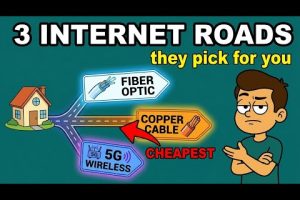
While cable internet remains one of the most widely available broadband options, it is not the only one. Satellite providers like HughesNet and Viasat serve rural areas where cable infrastructure does not reach, but they typically come with higher latency and stricter data limits. Fixed wireless providers such as T-Mobile Home Internet and Verizon 5G Home are expanding rapidly and offer competitive speeds without cable infrastructure. Fiber-optic providers like AT&T Fiber and Google Fiber deliver the fastest and most reliable connections but are still limited to select metropolitan areas.
If cable infrastructure is available at your address, it will generally offer a better balance of speed, reliability, and price compared to satellite alternatives. However, if fiber is available nearby, it is almost always the superior choice in terms of performance and consistency.
Pricing and Plans Comparison
Cable pricing has become increasingly complex. Introductory rates often jump 30 to 50 percent after the promotional period ends, and equipment fees can add $15 to $20 per month on top of your base plan. The table below illustrates a simplified comparison of popular cable internet plans from two major providers.

| Plan | Provider | Speed | Intro Price | Regular Price | Contract? |
| Connect More | Xfinity | 300 Mbps | $35/mo | $65/mo | 12 months |
| Spectrum Internet Ultra | Spectrum | 500 Mbps | $45/mo | $70/mo | None |
| Gigablast | Cox | 1000 Mbps | $50/mo | $75/mo | 12 months |
| Internet 600 | Mediacom | 600 Mbps | $30/mo | $60/mo | 12 months |

Always read the fine print before signing. Ask the provider directly when the promotional rate expires, what the renewal rate will be, and whether there are any additional fees for equipment or installation. Negotiating with customer retention departments can also unlock better pricing, especially if you mention competitors that offer lower rates.
Expert Tips for Getting the Best Deal
Based on years of research and consumer advocacy, here are practical tips that can save you significant money when choosing a cable provider:
- Bundle strategically: Combine internet and TV only if you actually watch cable channels. If you do not, a standalone internet plan is cheaper.
- Check for municipal broadband: Some cities offer public fiber or cable options that undercut private providers on both price and quality.
- Use price matching: Many cable companies will match or beat a competitor’s advertised rate if you ask.
- Buy your own modem: Eliminating the monthly modem rental fee (usually $10–$15) can save you $120–$180 per year.
- Set calendar reminders: Mark when your promotional rate ends so you can negotiate or switch providers before your bill spikes.
Frequently Asked Questions
How do I find the best cable providers in my area?
Start by entering your zip code on the official websites of major providers like Xfinity, Spectrum, and Cox. You can also use the FCC’s broadband availability map to see every provider that serves your address. Cross-reference these results with local customer reviews on platforms like Yelp to gauge real-world satisfaction.
What is the average cost of cable internet per month?
Cable internet plans typically range from $30 to $80 per month during introductory periods, with regular pricing between $50 and $100 per month depending on the speed tier and provider. Bundled packages that include cable TV can add another $40 to $80 per month to the total.
Are there cable providers with no data caps?
Yes, Spectrum offers unlimited data on all its internet plans with no additional charges. Xfinity provides a base allowance of 1.2 terabytes per month on most plans, which is generous for most households, but exceeding it can trigger overage charges of $10 per 50 GB.
Can I get cable TV without a long-term contract?
Spectrum is the most prominent provider offering no-contract cable TV and internet services. Most other providers, including Xfinity and Cox, require 12- or 24-month contracts, though early termination fees may be waived under certain circumstances such as moving to an unserviceable address.
What speeds do I need for a household with multiple streamers?
For a household with three to five people simultaneously streaming in 4K, gaming, and video conferencing, an internet speed of at least 300 Mbps is recommended. Xfinity’s Connect More plan at 300 Mbps or Spectrum’s Ultra tier at 500 Mbps would comfortably handle this workload without noticeable slowdowns.
Conclusion
Choosing the right cable provider in your area requires a combination of research, comparison, and a clear understanding of your household’s needs. By using availability checkers, reading real customer reviews, comparing pricing structures, and asking the right questions before signing a contract, you can secure a service plan that delivers reliable performance without draining your budget. Do not settle for the first offer you receive. The cable market is competitive, and providers are often willing to match or beat their rivals to win your business. Take the time to evaluate your options, negotiate where possible, and invest in a service that truly meets your connectivity needs for years to come.