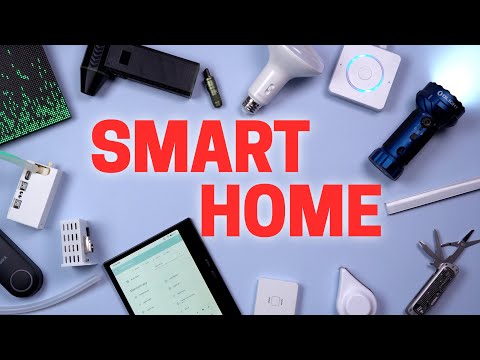
Smart home technology has exploded in recent years, and if you are looking for the most cool smart home devices on the market right now, you have come to the right place. The idea of turning your ordinary house into a responsive, intelligent living space no longer feels like science fiction. From voice-controlled lighting to AI-powered security cameras, the best smart home gadgets today deliver genuine convenience, energy savings, and even a sense of wonder every time you use them. Whether you are a curious beginner or a seasoned tech enthusiast, this guide walks you through the most impressive smart home devices worth investing in, organized by experience level so you can build your setup strategically.
What Makes a Smart Home Device Truly “Cool”?
Not every connected gadget earns the label of “cool.” The devices that genuinely stand out combine seamless automation, intuitive controls, and real-world impact on your daily routine. When evaluating smart home technology, consider these key factors:
- Ease of setup: The best cool smart home devices connect to your network and ecosystem without requiring a degree in engineering.
- Interoperability: Devices that work with Amazon Alexa, Google Home, or Apple HomeKit give you flexibility and future-proofing.
- Visual design: Sleek, modern aesthetics matter. A gadget should complement your home, not clutter it.
- Automation depth: The most impressive devices support routines, scenes, and conditional triggers that make your home feel genuinely intelligent.
- Privacy and security: Cool tech should also keep your data safe, so look for devices with strong encryption and transparent privacy policies.
When these elements come together, a smart home device transforms from a novelty into a daily essential that improves how you live.
Best Cool Smart Home Devices for Beginners
If you are just starting your smart home journey, you do not need to spend a fortune or overhaul your entire house. A few well-chosen devices can create an immediate impact and give you the confidence to expand later.
1. Smart Plugs and Smart Outlets
Smart plugs are arguably the most underrated entry point into home automation. You plug a standard lamp, fan, or coffee maker into a smart plug, then control it remotely through an app or voice command. Brands like TP-Link Kasa and Wyze offer affordable options that integrate with both Alexa and Google Assistant. You can schedule devices to turn on at sunset or shut off when you leave the house, which directly reduces phantom energy waste.
2. Smart LED Bulbs
Philips Hue and LIFX smart bulbs allow you to adjust color temperature, brightness, and even color from your phone. Setting up a “movie night” scene that dims the lights and shifts them to warm amber takes seconds. These bulbs work beautifully in living rooms, bedrooms, and even outdoor fixtures, and they serve as an easy introduction to the world of connected home automation.
3. Voice Assistants and Smart Speakers
A smart speaker acts as the brain of a beginner smart home setup. The Amazon Echo Dot and Google Nest Mini are compact, affordable, and capable of controlling lights, playing music, setting timers, and answering questions. Placing one in the kitchen and another in the bedroom gives you hands-free control throughout the day without overwhelming complexity.
Intermediate Smart Home Gadgets That Level Up Your Space
Once you have mastered the basics, it is time to explore devices that offer deeper automation, better sensors, and more sophisticated controls. These intermediate gadgets bridge the gap between simple convenience and true home intelligence.
4. Smart Thermostats
The Nest Learning Thermostat and Ecobee models are game-changers for energy management. These thermostats learn your schedule over time, automatically adjusting the temperature when you leave for work or go to sleep. Many utility companies even offer rebates for installing an energy-efficient smart thermostat, which makes the investment even more attractive. You can also control climate zones remotely, which is invaluable during extreme weather.
5. Robot Vacuums with Mapping Technology
Devices from iRobot Roomba and Ecovacs Deebot now feature LiDAR navigation, carpet detection, and self-emptying docks. The best models let you create no-go zones, schedule cleanings by room, and even set them to run when you are not home. This is one of the few smart home gadgets that genuinely saves hours of your life over months of use.
6. Smart Video Doorbells
A smart doorbell camera like the Ring Video Doorbell or Google Nest Doorbell lets you see and speak with visitors from anywhere. Advanced features include person detection, motion zones, package alerts, and integration with other security devices. These doorbells have become a cornerstone of modern home security automation, especially for people who travel frequently or want an extra layer of peace of mind.
Advanced Smart Home Tech for Power Users
For those who already have a solid foundation and want to push the boundaries of automation, advanced smart home devices offer granular control, local processing, and enterprise-grade features.
7. Smart Home Hubs and Controllers

Devices like the Samsung SmartThings Hub and Hubitat Elevation serve as centralized control points for dozens of different protocols, including Zigbee, Z-Wave, and Matter. A hub allows you to create complex automations without relying on cloud connectivity, which means faster response times and better reliability. Power users appreciate the ability to build conditional logic such as “If the front door opens after 10 PM and motion is detected in the hallway, turn on the porch light and send a notification.”
8. Smart Locks and Keyless Entry Systems
The August Smart Lock Pro and Schlage Encode are two of the most advanced smart locks available. They support auto-lock, temporary guest codes, and integration with major ecosystems. When paired with a smart doorbell and security camera, you create a unified access control system that knows who is at your door, when they arrived, and whether your door is securely locked.
9. Multi-Room Audio Systems
For audiophiles and entertainment enthusiasts, Sonos and Bluesound offer multi-room speaker systems that sync flawlessly across rooms. You can play different music in the kitchen while the living room plays a podcast, all controlled by a single app or voice command. These systems represent the pinnacle of whole-home audio automation.
Comparison Table: Top Cool Smart Home Devices by Category
| Device Category | Top Pick | Key Feature | Price Range |
| Smart Plug | TP-Link Kasa Smart Plug | Compact, Alexa and Google compatible | $10–$20 |
| Smart Bulb | Philips Hue White and Color Ambiance | 16 million colors, Matter support | $15–$50 per bulb |
| Smart Speaker | Amazon Echo (4th Gen) | Zigbee hub built in, rich bass | $70–$100 |
| Smart Thermostat | Ecobee SmartThermostat | Room sensors, Alexa built in | $200–$250 |
| Robot Vacuum | Roborock S8 Pro Ultra | LiDAR navigation, self-washing dock | $800–$1,100 |
| Smart Doorbell | Google Nest Doorbell | Person alerts, 24/7 video history | $100–$180 |
| Smart Hub | Hubitat Elevation C-8 | Local processing, Z-Wave and Zigbee | $150–$180 |
| Smart Lock | August Wi-Fi Smart Lock Pro | Auto-lock, Apple HomeKey support | $200–$250 |
Expert Tips for Building a Cohesive Smart Home Ecosystem
Buying individual cool smart home devices is only half the battle. The real magic happens when everything works together seamlessly. Here are expert recommendations to keep in mind:
- Pick one ecosystem first. Choose either Alexa, Google Home, or Apple HomeKit as your primary platform, then prioritize devices that support it natively. This prevents compatibility headaches down the road.
- Invest in a strong Wi-Fi network. A mesh router system like Eero or Google Nest Wifi ensures reliable connectivity for every device, especially in larger homes.
- Start with routines. Even basic routines like “Good Morning” (lights on, thermostat adjusted, news briefing played) make the difference between a smart home that feels useful and one that feels gimmicky.
- Look for Matter compatibility. The Matter protocol is becoming an industry standard, meaning devices from different brands can communicate with each other more easily than ever before.
- Expand gradually. Do not try to automate everything at once. Add one device at a time, learn how it integrates, and then build from there. This approach keeps costs manageable and avoids setup frustration.
Frequently Asked Questions
What are the most affordable cool smart home devices to start with?
Smart plugs and smart bulbs offer the lowest barrier to entry, typically costing between $10 and $25 per device. The TP-Link Kasa smart plug and Wyze Bulb are excellent starting points that deliver genuine value without requiring a complex setup process.
Which smart home devices work best with both Alexa and Google Assistant?
Devices that support Matter or are explicitly marketed as compatible with both ecosystems tend to work the best. The Amazon Echo Show series, TP-Link Kasa products, and Philips Hue bulbs are widely recognized for their cross-platform compatibility and reliable performance.
Are cool smart home devices worth the investment for renters?
Absolutely. Many smart home devices are renter-friendly because they require no permanent installation. Smart plugs, portable smart speakers, and battery-powered sensors can be set up in minutes and removed without leaving any damage, making them ideal for apartments and rental properties.
How do I keep my smart home devices secure from hacking?
Start by changing default passwords on every device and enabling two-factor authentication on your smart home accounts. Use a dedicated guest Wi-Fi network for IoT devices so they are isolated from your main network. Regularly update firmware, and choose brands with a proven track record of timely security patches and transparent data practices.
What is the best smart home device for saving energy?
A smart thermostat consistently delivers the highest energy savings of any single smart home device. The Nest Learning Thermostat and Ecobee models can reduce heating and cooling costs by 10 to 15 percent annually by learning your schedule and optimizing temperature adjustments automatically.
Conclusion

The world of cool smart home devices offers something for every budget, skill level, and lifestyle. Whether you start with a single smart plug and a voice assistant or dive headfirst into a fully automated ecosystem with hubs, smart locks, and multi-room audio, the key is to build intentionally. Choose devices that solve real problems in your daily routine, prioritize interoperability and security, and expand your setup at a comfortable pace. The best smart home is not the one with the most gadgets — it is the one that quietly anticipates your needs and makes everyday life a little more convenient, comfortable, and enjoyable. Start small, think big, and let your home evolve into the intelligent space you have always imagined.