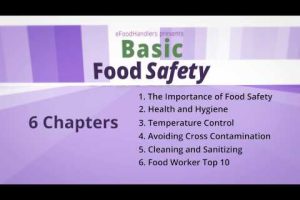
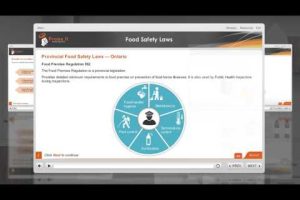
In today’s competitive food industry, having a food safety manager certification online is no longer optional — it is a career-defining asset. Whether you are a kitchen supervisor, a restaurant owner, a quality assurance professional, or someone looking to break into food service management, earning your certification through a recognized online program can open doors that traditional classroom routes simply cannot. With evolving FDA Food Code regulations, heightened consumer expectations, and state-level compliance requirements becoming more rigorous, professionals who hold a valid food protection manager credential stand out in any hiring pool. This comprehensive guide walks you through everything you need to know about obtaining your food safety manager certification online, from choosing the right program to passing the exam with confidence.
What Is Food Safety Manager Certification?
A food safety manager certification is a professional credential that verifies an individual has the knowledge and competence to oversee food handling, preparation, and storage practices that prevent contamination and foodborne illness. The most widely recognized certification in the United States is the ServSafe Food Protection Manager Certification, but several other accredited programs also carry significant weight in the industry. These certifications typically require candidates to pass a proctored or accredited exam that covers critical areas such as cross-contamination prevention, temperature control, personal hygiene, cleaning and sanitizing procedures, and allergen management.
The certification demonstrates to health inspectors, employers, and customers that a designated manager within an establishment is equipped to implement and monitor food safety protocols that align with the FDA Food Code and local regulatory standards.
Why Pursue Food Safety Manager Certification Online?
The shift from traditional in-person training to digital learning has transformed how food service professionals earn their credentials. Here is why an online route is increasingly the preferred choice.

Flexibility and Convenience
Online certification programs allow you to study on your own schedule. Whether you work full-time in a bustling kitchen or manage a catering business, you can complete coursework during evenings, weekends, or any window that fits your lifestyle. This self-paced model means you are not tied to a fixed class schedule, making it ideal for working professionals who cannot afford extended time away from their jobs.
Cost-Effectiveness
Comparing online food safety courses to in-person training reveals significant savings. Traditional classroom programs often charge additional fees for venue rental, printed materials, and instructor overhead. Online programs typically bundle study materials, practice exams, and the certification test into a single package, often costing less than half the price of in-person alternatives. Many providers also offer free practice tests and study guides to help you prepare without extra charges.
Accreditation and Industry Recognition
Reputable online certification providers are accredited by organizations such as the National Restaurant Association or ANSI (American National Standards Institute). This means your online credential carries the same legal weight as one earned in a physical classroom. Health departments across all 50 states recognize accredited online certifications, ensuring your qualification meets local regulatory requirements.
Key Topics Covered in Online Certification Courses
A thorough online food safety manager course should comprehensively cover the following subject areas:
- Foodborne Illness and Pathogens: Understanding common bacteria, viruses, and parasites that cause foodborne diseases, including Salmonella, E. coli, Norovirus, and Listeria.
- Personal Hygiene: Proper handwashing techniques, glove use, illness policies for food handlers, and workplace grooming standards.
- Time and Temperature Control: The danger zone (40°F to 140°F), proper cooking temperatures for various proteins, reheating guidelines, and cooling procedures.
- Cross-Contamination Prevention: Separation of raw and ready-to-eat foods, dedicated equipment protocols, and sanitation between tasks.
- Cleaning and Sanitizing: Differences between cleaning and sanitizing, proper chemical concentrations, and commercial dishwasher standards.
- Allergen Awareness: The nine major food allergens, label reading, cross-contact prevention, and customer communication best practices.
- HACCP Principles: Hazard Analysis and Critical Control Points as a systematic preventive framework for identifying and managing food safety risks.
- Regulatory Compliance: Local health department requirements, inspection preparation, documentation, and traceability systems.
Who Should Get Certified?

The ideal candidate for a food safety manager certification online is anyone who holds a supervisory or management role in a food service operation. This includes:
- Restaurant General Managers and Assistant Managers who are responsible for kitchen compliance and staff training.
- Head Chefs and Sous Chefs who oversee daily food preparation and storage practices.
- Catering and Event Coordinators managing large-scale food service at venues and outdoor events.
- Food Service Directors in hospitals, schools, nursing homes, and institutional cafeterias.
- Food Truck and Mobile Vendor Operators who must comply with local and state health regulations.
- Small Business Owners launching food-related ventures who want to build a culture of safety from day one.
Many state and local health departments require at least one certified food protection manager per establishment. Before enrolling, verify your specific jurisdiction’s requirements to ensure the program you choose meets local regulatory standards.
Comparison of Popular Online Food Safety Manager Certification Programs
| Program | Accreditation | Approximate Cost | Exam Format | Recertification Period |
| ServSafe Food Protection Manager | ANSI-CFP | $150–$200 | Proctored (online or in-person) | Every 5 years |
| National Registry of Food Safety Professionals | ANSI | $100–$160 | Online proctored exam | Every 5 years |
| Learn2Serve by 360training | ANSI | $99–$149 | Online proctored exam | Varies by state |
| StateFoodSafety.com | ANSI | $125–$175 | Online proctored exam | Every 5 years |
| FoodHandler Plus | ANSI | $85–$120 | Online proctored exam | Varies by state |
Each of these programs meets ANSI accreditation standards, which is the gold standard for food safety credentials in the United States. When choosing, consider factors like exam pass rates, customer support availability, mobile compatibility, and whether your state has specific approval requirements for the certifying body.
Expert Tips for Passing Your Online Food Safety Manager Exam
1. Study the FDA Food Code directly. While course materials provide a solid foundation, many exam questions are drawn from the FDA Food Code itself. Familiarizing yourself with its language and structure gives you a significant advantage.
2. Take multiple practice exams. Reputable online platforms offer free and paid practice tests. These simulate real exam conditions and help you identify weak areas before test day. Aim to consistently score above 80% on practice tests before scheduling your official exam.
3. Focus on HACCP and temperature control. These two topics consistently represent the largest share of exam questions. Understanding how to identify critical control points and maintain proper temperature logs is essential.
4. Do not rush the exam. Online proctored exams typically allow 90 minutes for approximately 80 multiple-choice questions. Pace yourself, read each question carefully, and eliminate obviously wrong answers before committing to a response.
5. Keep your study materials accessible. Print or save key cheat sheets on cross-contamination prevention, time-temperature guidelines, and allergen protocols. Quick reference tools during your study phase reinforce retention far more effectively than passive reading alone.
How to Maintain and Renew Your Certification
Food safety manager certifications are not permanent. Most accredited credentials require renewal every three to five years, depending on the certifying body and your state’s regulations. Renewal typically involves completing a continuing education course or retaking the certification exam. Staying current with updates to the FDA Food Code, emerging food safety technologies, and changes in local health codes ensures your knowledge remains relevant and your establishment stays compliant.
Set a calendar reminder for your expiration date well in advance. Some employers will cover the cost of renewal as part of their professional development budget, so it is worth asking your manager or human resources department about reimbursement options.
Conclusion
Earning your food safety manager certification online is one of the smartest investments you can make in your food service career. It provides the knowledge, credibility, and regulatory compliance necessary to protect public health and advance professionally. With flexible online learning options, affordable pricing, and industry-recognized credentials, there has never been a better time to pursue this certification. Choose an ANSI-accredited program, dedicate focused study time, and approach the exam with confidence. The skills and credentials you gain will serve you — and the establishments you lead — for years to come.
Frequently Asked Questions
1. How long does it take to get food safety manager certification online?
Most online courses can be completed within 8 to 16 hours of study time. After finishing the coursework, you can typically schedule your proctored exam within a few days. If you pass on your first attempt, you can hold your certification within one to two weeks of starting the program.
2. Is an online food safety manager certification valid in all states?
While ANSI-accredited certifications are recognized nationwide, some states and local jurisdictions have specific requirements regarding which certifying bodies they accept. Always verify with your local health department before purchasing a program to ensure it meets your area’s regulatory standards.
3. What is the passing score for the food safety manager certification exam?
The passing score varies slightly by program but is typically set at 75% or higher. ServSafe, for example, requires a score of 75% or above across all sections of the exam. Check with your specific certifying provider for the exact passing threshold.
4. Can I take the food safety manager exam online from home?
Yes, many accredited programs now offer online proctored exams that you can take from home using a webcam and stable internet connection. These exams use remote proctoring software to monitor your screen and environment, ensuring the same level of integrity as an in-person test.
5. How much does online food safety manager certification cost?
Prices range from approximately $85 to $200 depending on the provider, included study materials, and exam fees. Budget-friendly options like FoodHandler Plus start around $85, while premium programs such as ServSafe fall in the $150–$200 range. Always check whether the price includes the exam fee or if it must be paid separately.