When most homeowners or builders think about windows, they picture simple glass panels set into a wall. But the reality is far more fascinating. The features of some windows go well beyond basic transparency — they encompass energy performance, structural integrity, noise reduction, security, and even smart technology integration. Whether you’re planning a new construction project, renovating an older property, or simply curious about what makes certain windows stand out in the market, understanding these features is essential. In this comprehensive guide, we’ll explore everything from foundational characteristics to cutting-edge innovations, giving you the knowledge to make informed decisions about your next window investment.
What Makes Windows More Than Just Glass Panes
A window is a complex assembly of components working together. It’s not just the glass that determines quality — the frame material, glazing configuration, sealing systems, hardware, and installation method all contribute to a window’s overall performance. Modern windows are engineered to meet strict building codes and energy standards, and each feature serves a specific functional purpose.
Understanding the features of some windows requires looking at them as systems rather than individual products. For example, a double-glazed unit with a low-emissivity coating and argon gas fill performs dramatically differently from a single-pane window, even if they appear similar from the outside. The differences show up in energy bills, indoor comfort, and long-term durability.
Key Features of Modern Windows You Should Know About
Energy Efficiency and Thermal Performance
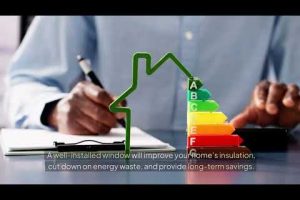
Energy efficiency is arguably the most important feature of modern windows. This is measured through several performance metrics that directly affect how well a window insulates your home.
- U-Value: Measures how well a window conducts heat. Lower U-values mean better insulation, with high-performance windows achieving values below 0.30.
- SHGC (Solar Heat Gain Coefficient): Indicates how much solar radiation passes through the window. Lower SHGC is ideal for hot climates, while higher SHGC benefits colder regions.
- VT (Visible Transmittance): Reflects the amount of visible light transmitted. Higher VT means a brighter interior without relying on artificial lighting.

Windows featuring double or triple glazing with low-E coatings and gas fills like argon or krypton represent the gold standard in thermal performance. These features minimize heat transfer, reducing your HVAC workload and lowering energy costs by up to 25-30% according to Department of Energy estimates.
Noise Reduction and Sound Insulation
Another highly valued feature of some windows is their ability to block outside noise. Sound insulation is particularly important for homes near busy roads, airports, or urban centers. The STC (Sound Transmission Class) rating measures a window’s noise-blocking capability.
Key factors that enhance sound insulation include:
- Unequal glass thicknesses between panes to disrupt sound wave resonance
- Laminated glass with interlayers that absorb sound energy
- Wider air gaps between glazing layers
- Tightly sealed frames with compression gaskets
- Heavy, solid frame materials like fiberglass or reinforced aluminum
Acoustic windows can achieve STC ratings of 40-55, effectively blocking most external sounds and creating peaceful indoor environments.
Types of Windows and Their Distinctive Features
Different window styles offer unique feature sets. Here’s a detailed comparison of popular window types and their defining characteristics:
| Window Type | Key Features | Best For | Energy Rating |
| Casement Windows | Full opening, excellent ventilation, tight seal when closed | Wind-prone areas, maximum airflow | High |
| Double-Hung Windows | Classic design, both sashes operable, easy cleaning | Traditional homes, versatile placement | Moderate |
| Sliding Windows | Smooth operation, space-saving, wide viewing area | Modern homes, wide openings | Moderate to High |
| Bay/Bow Windows | Architectural appeal, extra interior space, abundant natural light | Living rooms, feature walls | Varies |
| Fixed Windows | Maximum glass area, superior sealing, non-operable | Areas needing light but not ventilation | Very High |
| Awning Windows | Top-hinged, rain-resistant, good for ventilation | Bathrooms, basements, rainy climates | High |
Each window type brings its own strengths. Casement windows, for instance, are renowned for their superior air-tight seal because the sash presses against the frame when closed. Fixed windows, being non-operable, offer the best thermal performance since they have no moving parts that could compromise the seal. Meanwhile, bay and bow windows create stunning architectural statements while flooding interiors with natural light from multiple angles.

Advanced Features in Today’s Window Technologies
Smart Glass and Electrochromic Windows

One of the most exciting features of some windows in the modern market is smart glass technology. Electrochromic windows can change their tint level automatically or via user control, adjusting transparency based on sunlight intensity or user preference. This technology offers remarkable benefits:
- Dynamic glare control without blinds or shades
- Reduced cooling costs by blocking solar heat during peak hours
- Privacy on demand without sacrificing the view
- Integration with smart home systems for automated responses
While still premium-priced, smart glass windows are rapidly gaining traction in commercial buildings and high-end residential projects. They represent the future of adaptive building envelopes and are a perfect example of how window technology continues to evolve.
Automated and Motorized Window Systems
Motorized windows bring convenience and accessibility to another level. These windows can be operated remotely, programmed on timers, or integrated with weather sensors that open or close based on conditions. Key features include:
- Remote control operation via smartphone apps or wall switches
- Automatic rain and wind sensors for hands-free management
- Smoke and fire compliance for emergency ventilation
- Integration with home automation ecosystems like Alexa, Google Home, and HomeKit
- Ideal for large or hard-to-reach windows in multi-story buildings
These systems are particularly valuable for skylights, roof windows, and large commercial facades where manual operation would be impractical.
Impact-Resistant and Security Windows
For homeowners in hurricane-prone regions or those prioritizing security, impact-resistant windows are a critical feature. These windows are built with laminated glass that holds together when shattered, combined with reinforced frames tested to withstand extreme forces. The features include:
- Multi-layer laminated glass with PVB or SGP interlayers
- Heavy-duty frame reinforcement with steel or aluminum substrates
- Multi-point locking systems for enhanced security
- Burglar-resistant ratings that deter forced entry
- Wind-load ratings meeting Miami-Dade County standards
How to Choose Windows Based on Their Features
Selecting the right windows involves matching their features to your specific needs. Here’s a practical approach:
- Assess your climate: Hot climates demand low SHGC and high UV protection. Cold climates prioritize low U-values and triple glazing.
- Evaluate noise exposure: If you live near traffic or industrial zones, prioritize STC-rated acoustic windows.
- Consider security requirements: Ground-floor and accessible windows should feature reinforced glass and robust locking hardware.
- Think about ventilation needs: Choose operable window styles that provide adequate airflow for your space.
- Budget wisely: Balance upfront costs with long-term energy savings. High-performance windows cost more initially but deliver returns through reduced energy bills.
Expert Tips for Maximizing Window Benefits
Even the best windows underperform if not properly selected and installed. Professionals recommend these strategies:
- Prioritize installation quality: Poor installation negates all advanced features. Always hire certified installers who follow manufacturer specifications for air sealing and flashing.
- Match window features to room function: Kitchens and bathrooms need moisture-resistant, easily cleanable windows. Living rooms benefit from large fixed or bay windows for light. Bedrooms require excellent blackout and noise-blocking capabilities.
- Layer your glazing strategy: Combining low-E coatings with gas fills and multiple panes creates compounding benefits that each feature alone cannot achieve.
- Maintain seals and hardware: Regularly inspect weatherstripping, caulking, and operating hardware. Well-maintained windows retain their performance features for decades.
- Look for certification labels: ENERGY STAR, NFRC ratings, and AAMA certifications provide verified performance data you can trust when comparing the features of some windows.
Conclusion
The features of some windows extend far beyond simple glass and frame assemblies. From energy-saving low-E coatings and argon gas fills to smart glass technology and impact-resistant laminates, modern windows represent a remarkable convergence of engineering, materials science, and architectural design. Whether you’re building new or replacing existing windows, understanding these features empowers you to choose products that deliver genuine performance improvements. The right window selection enhances comfort, reduces energy costs, improves security, and elevates the aesthetic appeal of any property. Take your time, research thoroughly, and always consult with window professionals who can guide you toward solutions that match your unique requirements.
Frequently Asked Questions
What are the most important features to look for in energy-efficient windows?
The most critical features include low-E glass coatings, double or triple glazing, argon or krypton gas fills between panes, thermally broken frames, and proper weatherseal systems. Look for windows with U-values below 0.30 and certified ENERGY STAR ratings to ensure genuine energy performance rather than marketing claims.
How do smart glass windows work and are they worth the investment?
Smart glass windows use electrochromic, thermochromic, or suspended particle devices that change light transmission properties when activated by electricity or environmental triggers. They’re worth the investment for homes in extreme climates, spaces with challenging glare issues, or owners seeking cutting-edge smart home integration, though upfront costs remain higher than traditional options.
What window features provide the best sound insulation for urban homes?
The best sound-insulating windows combine laminated glass with unequal pane thicknesses, wide air gaps (ideally over 20mm), high STC-rated frames, and compression-style sealing systems. Tempered glass alone doesn’t block sound effectively — it’s the laminated interlayer and asymmetric construction that truly disrupt sound wave transmission in noisy urban environments.
Are impact-resistant windows worth installing in non-hurricane areas?
Yes. Even outside hurricane zones, impact-resistant windows offer significant benefits including enhanced burglary protection, protection against severe storms, fallen tree branches, and accidental impacts. They also typically include UV-blocking coatings that protect interior furnishings. The security and durability advantages make them a wise investment in most locations.
How do I compare the features of different windows before purchasing?
Compare windows using standardized performance ratings from the NFRC (National Fenestration Rating Corporation). Look at U-value, SHGC, VT, and air leakage ratings. Cross-reference these with your climate zone, room orientation, and specific needs. Request detailed spec sheets from manufacturers and verify claims through independent reviews and certified installer recommendations.
What is the lifespan of advanced window features like low-E coatings and gas fills?
Low-E coatings are applied between glass panes during manufacturing and typically last the entire lifespan of the window — 20 to 30 years or more. Argon gas fills slowly dissipate over time, but modern seal systems are designed to retain gas for 10-15 years minimum. Krypton gas, being denser, tends to perform even longer. Warranties on these features typically range from 10 to 25 years, reflecting manufacturer confidence in their durability.