


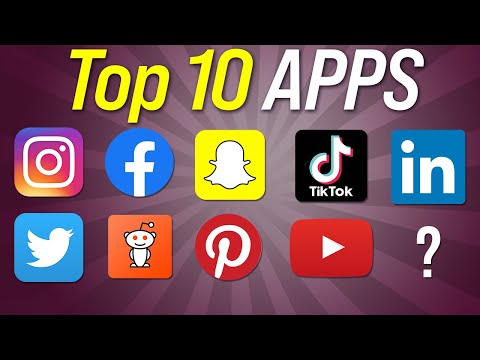
The digital landscape has transformed dramatically over the past decade, and understanding the different social media platforms available today is no longer optional for businesses, creators, and marketers—it is a necessity. Each network serves a unique purpose, attracts a distinct audience, and offers specific tools for engagement, advertising, and community building. Whether you are launching a brand, growing a personal following, or researching where your target audience spends time online, this comprehensive guide breaks down the major social media platforms by category, strength, and strategic value. By the end, you will have a clear roadmap for selecting the right networks and building a presence that actually converts.

Understanding the Major Social Media Platforms
The term “social media platforms” covers an enormous range of digital ecosystems. From image-centric networks to professional networking sites, each platform has evolved its own culture, algorithm preferences, and content formats. Let us walk through the most significant players and what makes them stand out.
Meta Platforms: Facebook and Instagram
Facebook remains one of the most widely used social networks globally, with over 3 billion monthly active users. It supports text posts, photo albums, video content, Groups, Marketplace, and Reels. Instagram, also owned by Meta, leans heavily into visual storytelling through photos, short-form video (Reels), Stories, and Explore feeds. The platform thrives on aesthetic content and influencer marketing.
- Best for: Visual brands, small businesses, lifestyle creators, and community-driven pages.
- Key features: Reels algorithm discovery, Marketplace commerce, Groups for niche communities.
- Audience demographics: Facebook skews older (25–65+); Instagram attracts younger users (18–44).
Video-First Platforms: YouTube and TikTok
YouTube is the second-largest search engine in the world and remains the dominant platform for long-form and tutorial-style video content. TikTok has revolutionized short-form video with its algorithm-driven “For You” page that can push content to millions of viewers overnight. Both platforms reward creativity, consistency, and audience retention metrics.
- YouTube excels at evergreen educational content, product reviews, and documentaries.
- TikTok dominates trends, challenges, viral moments, and behind-the-scenes authenticity.
- Both platforms offer powerful creator monetization tools and advertising ecosystems.
Professional and Niche Networks: LinkedIn, X, and Pinterest

LinkedIn serves as the premier platform for B2B marketing, thought leadership, and recruitment. X (formerly Twitter) remains a hub for real-time conversations, news, and public discourse. Pinterest functions more like a visual search engine, driving significant referral traffic to blogs and e-commerce stores.
| Platform | Primary Use | Top Audience | Best Content Type |
| Professional networking, B2B marketing | Working professionals, decision-makers | Articles, industry insights, company updates | |
| X (Twitter) | Real-time news, public discussion | Journalists, politicians, tech enthusiasts | Short text, threads, polls, live commentary |
| Inspiration, discovery, shopping | Planning-focused users (predominantly female) | Infographics, step-by-step guides, product pins | |
| Snapchat | Ephemeral messaging, AR experiences | Gen Z (13–24) | Disappearing photos, Stories, AR Lenses |
| Community discussion, niche forums | Tech-savvy, hobby-specific communities | Text posts, AMAs, community threads |
Choosing the Right Social Media Platforms for Your Strategy
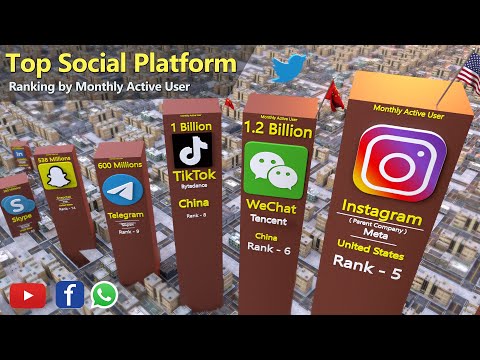
Selecting which networks to focus on depends entirely on your goals, target audience, and content capabilities. A startup selling visual products will benefit most from Instagram and Pinterest, while a SaaS company should prioritize LinkedIn and X. Here is a practical framework for making that decision.
Define Your Audience First
Before creating accounts everywhere, research where your ideal customers already spend time. Use platform analytics, demographic data, and competitor insights to narrow your focus. Trying to maintain a presence on every single platform often leads to diluted efforts and lower-quality output.
Match Content Format to Platform Strengths
Each network favors specific content types. YouTube rewards long-form depth. TikTok favors short, hook-driven videos. LinkedIn appreciates long-form articles and professional commentary. Pinterest thrives on infographics and step-by-step visual guides. Aligning your content format with the platform’s natural strengths dramatically increases reach and engagement.
Consider Your Resources and Capacity
Managing multiple platforms requires consistent posting schedules, creative assets, community management, and sometimes paid advertising. Start with two or three platforms, master them, and expand strategically as your team and budget grow.
Expert Tips for Growing Across Different Social Media Platforms
Regardless of which networks you choose, certain principles apply universally across all social media platforms.
- Post consistently but prioritize quality over quantity. A well-crafted post once a week outperforms five mediocre ones.
- Engage authentically. Reply to comments, participate in conversations, and avoid automated or generic responses.
- Leverage platform-native features. Instagram Reels, LinkedIn newsletters, YouTube Shorts, and TikTok trends each have dedicated algorithm boosts.
- Track metrics that matter. Focus on engagement rate, follower growth, click-through rate, and conversions—not just vanity metrics like raw follower count.
- Repurpose content intelligently. A single YouTube video can become TikToks, Instagram Reels, a blog post, and a LinkedIn article with minimal additional effort.
Pro Tip: Algorithm preferences change frequently. Follow platform update blogs, attend creator events, and test new formats early. Early adopters of new features—like Instagram’s collaborative posts or LinkedIn’s audio events—often receive significant organic visibility.
Comparison: Social Media Platforms for Business Use
When evaluating different social media platforms for a business strategy, consider reach, advertising costs, conversion potential, and content effort required. Below is a simplified comparison to guide your decision.
| Platform | Organic Reach Potential | Ad Cost (CPM) | Conversion Strength | Content Effort |
| High | $ | Strong (visual products) | Medium-High | |
| TikTok | Very High | $ | Growing | Medium |
| Medium (declining) | $ | Strong (retargeting) | Medium | |
| Medium-High (B2B) | $$ | Very Strong (B2B) | Medium | |
| YouTube | High (long-term) | $ | Strong (evergreen) | High |
| High (search-based) | $ | Strong (e-commerce) | Medium |
The Future of Social Media Platforms
The social media landscape continues evolving rapidly. Short-form video remains dominant, with every major platform investing in reels, clips, and TikTok-style feeds. AI-generated content and creator tools are becoming more accessible, lowering the barrier to entry for high-quality production. Social commerce is also accelerating—platforms like Instagram, TikTok, and Pinterest now integrate shopping experiences directly into the browsing journey, reducing friction between discovery and purchase.
Emerging trends suggest that authenticity, community-driven content, and personalized experiences will become even more important. Brands and creators who prioritize genuine connection over polished production will likely see the strongest engagement in the coming years.
Conclusion
The different social media platforms available today each offer unique opportunities for growth, engagement, and revenue. The key is not to be everywhere at once but to choose the right platforms based on your audience, goals, and resources. By understanding what each network does best and aligning your strategy accordingly, you can build a meaningful and measurable presence online. Start focused, stay consistent, and adapt as the platforms evolve.
FAQs
Instagram, Facebook, and TikTok are generally the most effective starting points for small businesses. Instagram and Facebook offer robust local targeting and shopping features, while TikTok provides explosive organic reach for creative brands. LinkedIn becomes essential if your business operates in the B2B space.
How do I choose between Instagram and TikTok for my brand?
Choose Instagram if your audience skews older and your content is highly visual or product-focused. Choose TikTok if you want to reach younger demographics, participate in trends, and prioritize entertaining or educational short-form video content.
TikTok and Reddit consistently show the highest engagement rates among major platforms. Instagram also performs strongly, especially for visual brands and influencer partnerships. Engagement rate depends heavily on content quality and how well it aligns with the platform’s algorithm.
Absolutely. Many successful creators cross-post content across multiple networks. For example, a YouTube video can be clipped into TikToks and Reels, driving followers back to the full video. Pinterest pins can link to blog posts hosted on your website, creating a referral loop that boosts SEO and traffic simultaneously.
Most experts recommend focusing on two to four platforms where your target audience is most active. Trying to maintain a strong presence on five or more platforms often leads to burnout and inconsistent content quality. Depth on fewer platforms outperforms shallow presence everywhere.