


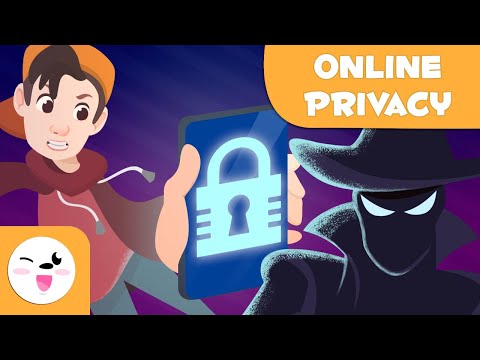
In an era where nearly every aspect of daily life moves online—from banking and healthcare to education and socializing—defining internet safety has never been more critical. Internet safety, often referred to as online safety or cyber safety, encompasses the practices, technologies, and awareness strategies that individuals and organizations use to protect themselves from digital threats while navigating the internet. It is not simply about installing antivirus software or avoiding suspicious links. True internet safety is a comprehensive discipline that spans cybersecurity hygiene, personal data protection, digital literacy, behavioral awareness, and proactive risk management. Whether you are a parent guiding a child through their first email account, a remote worker handling sensitive corporate data, or a senior citizen exploring video calls with family, understanding what internet safety means and how to implement it effectively is essential for everyone connected to the web.
What Is Internet Safety? A Comprehensive Definition

At its core, internet safety definition refers to the collective measures and precautions taken to safeguard personal information, devices, and identities from unauthorized access, exploitation, or harm while using the internet. It goes beyond traditional cybersecurity by incorporating human behavior, social engineering awareness, and ethical online conduct. Internet safety is a multi-layered concept that includes technical safeguards like firewalls and encryption, but equally important are the habits and knowledge that users bring to their digital interactions.
To truly define internet safety in practical terms, consider it as the intersection of three key dimensions:
- Protection — shielding devices, networks, and personal data from malicious actors and cyber threats.
- Education — building the knowledge and critical thinking skills needed to recognize and respond to online dangers.
- Prevention — adopting proactive habits and tools that reduce exposure to risk before an incident occurs.
When all three dimensions work together, users create a resilient defense against the wide spectrum of online threats that exist today. Without this holistic understanding, people often rely on surface-level protections that leave significant gaps in their digital security posture.
Why Internet Safety Matters in Today’s Digital World
The digital landscape has expanded dramatically over the past decade, and with that expansion comes an ever-growing attack surface. According to industry reports, cybercrime costs are projected to reach trillions of dollars annually, affecting individuals, businesses, and governments alike. Understanding what does internet safety mean in this context means recognizing that every click, download, and online interaction carries potential risk.
The Scope of Online Threats

Internet threats are not limited to a single category. They range from sophisticated state-sponsored hacking campaigns to crude phishing emails targeting unsuspecting users. The threat landscape includes:
- Malware, ransomware, and spyware designed to infiltrate and damage systems
- Identity theft and credential stuffing attacks targeting personal accounts
- Social engineering tactics that manipulate users into divulging sensitive information
- Data breaches that expose millions of records from corporations and institutions
- Online harassment, stalking, and exploitation, particularly affecting children and vulnerable populations
- Phishing and smishing campaigns that mimic legitimate organizations to steal login details
These threats underscore why a robust internet safety meaning must extend far beyond basic antivirus protection. Users need layered defenses that address both technical vulnerabilities and behavioral weaknesses.
Core Pillars of Internet Safety
A well-rounded approach to internet safety and security rests on several foundational pillars that every user should understand and implement.
Cybersecurity Awareness
Cybersecurity awareness is the knowledge base that empowers users to identify threats before they cause harm. This includes understanding how phishing emails work, recognizing signs of a compromised website, and knowing what kind of personal information should never be shared online. Awareness is the first line of defense, and no software tool can fully replace it.
Data Privacy Protection
Data privacy focuses on controlling who has access to your personal information online. This involves understanding privacy settings on social media platforms, reading terms of service agreements, using virtual private networks (VPNs) on public Wi-Fi, and being mindful of how much data you share with apps and websites. The internet safety definition is incomplete without a strong emphasis on data privacy, as personal data is often the currency that cybercriminals seek.
Safe Browsing Habits
Safe browsing habits are the daily practices that reduce exposure to online risks. These include verifying URLs before clicking links, avoiding downloads from unverified sources, keeping browsers and plugins updated, and using browser extensions that block malicious scripts and trackers. Simple habits like these form the backbone of everyday internet safety.
Common Internet Safety Threats Explained
To fully appreciate the internet safety definition, it helps to examine the specific threats users face most frequently:
| Threat Type | Description | Primary Target |
| Phishing | Fraudulent communications mimicking trusted entities to steal credentials | Individuals and businesses |
| Ransomware | Malicious software that encrypts files and demands payment for release | Businesses and institutions |
| Identity Theft | Stealing personal information to impersonate someone for financial gain | Individuals |
| Cyberbullying | Repeated online harassment intended to intimidate or harm | Children and teenagers |
| Man-in-the-Middle Attacks | Intercepting communications between two parties to steal data | Public Wi-Fi users |
| Drive-by Downloads | Malware automatically downloaded from compromised websites | All internet users |
Each of these threats requires a different defense strategy, which is precisely why a comprehensive internet safety approach is so important. No single tool or habit can protect against every type of threat.
Internet Safety Best Practices for All Ages
Implementing effective online safety practices does not require advanced technical knowledge. Below are recommendations organized by experience level.
For Beginners
- Use strong, unique passwords for every account and store them in a reputable password manager
- Enable two-factor authentication (2FA) wherever possible
- Never share passwords, PINs, or personal identification numbers via email or text
- Keep all devices and software updated to the latest versions
- Be skeptical of unsolicited emails, messages, and phone calls asking for personal information
For Intermediate Users
- Use a VPN when connecting to public or unsecured Wi-Fi networks
- Regularly audit privacy settings on social media and online accounts
- Learn to identify phishing indicators such as misspelled URLs, urgent language, and unsolicited attachments
- Back up important data regularly using both cloud and local storage
- Educate yourself on the latest common scams circulating on social media and messaging apps
For Advanced Users
- Implement network-level security measures such as DNS filtering and hardware firewalls
- Use compartmentalized email addresses for different purposes (personal, professional, financial)
- Conduct regular security audits of connected devices and home networks
- Stay informed about emerging threats through trusted cybersecurity publications and advisories
- Consider using hardware security keys for the most sensitive accounts
Comparison: Internet Safety Tools and Solutions
Choosing the right tools is a key part of any internet safety strategy. The table below compares common solutions:
| Tool Type | Primary Function | Best For | Examples |
| Antivirus Software | Detects and removes malware from devices | All users | Bitdefender, Norton, Kaspersky |
| VPN Services | Encrypts internet traffic and masks IP address | Privacy-conscious users | ExpressVPN, NordVPN, ProtonVPN |
| Password Managers | Generates and stores complex passwords securely | All users | 1Password, Bitwarden, LastPass |
| DNS Filters | Blocks access to known malicious websites | Families and small businesses | OpenDNS, Cloudflare Gateway |
| Browser Extensions | Blocks trackers, ads, and malicious scripts | Frequent web browsers | uBlock Origin, Privacy Badger |
No single tool provides complete protection. The most effective internet safety strategy combines multiple tools with informed user behavior.
Frequently Asked Questions About Internet Safety
What does internet safety mean for children?
For children, internet safety means creating a protected digital environment where they can learn and explore without exposure to inappropriate content, online predators, or cyberbullying. This involves parental controls, open conversations about online behavior, and teaching kids to never share personal details with strangers online.
How does internet safety relate to data privacy?
Internet safety and data privacy are closely intertwined but distinct concepts. Internet safety focuses on protecting users from threats like malware and scams, while data privacy focuses on controlling how personal information is collected, stored, and shared. Together, they form a complete framework for digital well-being.
What are the five rules of internet safety?
The five widely recognized rules include: (1) never share personal information with strangers online, (2) use strong and unique passwords, (3) think before clicking any link or downloading any file, (4) keep software and devices updated, and (5) report suspicious activity to the appropriate authorities or platforms.
Why is cyber safety important for remote workers?
Remote workers face unique risks because they often use personal networks, public Wi-Fi, and personal devices for professional tasks. Cyber safety for remote workers includes using VPNs, securing home routers, separating work and personal accounts, and following employer security protocols to prevent data breaches.
Can internet safety prevent identity theft?
While no system is foolproof, practicing strong internet safety habits significantly reduces the risk of identity theft. Key measures include monitoring financial accounts, freezing credit reports when not in use, avoiding phishing scams, and using multi-factor authentication on all accounts containing sensitive information.
Conclusion
The internet safety definition is far broader than most people realize. It is not a single tool, a one-time setting, or a checkbox you complete and forget. Internet safety is an ongoing practice—a combination of technical protection, informed behavior, and constant vigilance that adapts as the digital threat landscape evolves. By understanding the core pillars of cybersecurity awareness, data privacy, and safe browsing habits, and by implementing best practices at every skill level, anyone can navigate the internet with greater confidence and security. The most important step is simply to start: evaluate your current habits, invest in the right tools, and commit to staying informed. In a world where our digital lives are inseparable from our physical ones, internet safety is not optional—it is essential.