


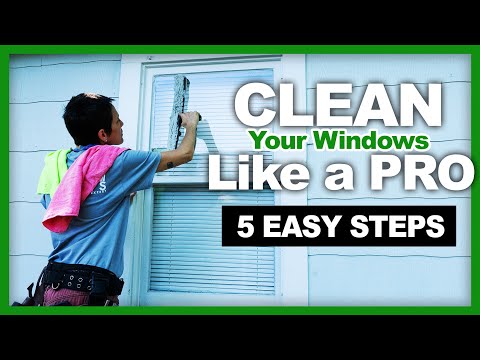
Commercial window cleaning is far more than a cosmetic chore—it is a critical investment in your business’s curb appeal, energy efficiency, and overall brand perception. Whether you manage a downtown high-rise, a retail storefront, or a sprawling office park, the condition of your building’s exterior glass sends a powerful message to clients, customers, and employees alike. Dirty, streaked windows signal neglect, while crystal-clear glass communicates professionalism, trust, and attention to detail. In this comprehensive guide, we will walk you through proven commercial window cleaning tips, techniques, and best practices that work for every skill level. From essential tools and safety protocols to advanced streak-free methods and scheduling strategies, you will find actionable insights designed to elevate your cleaning results and protect your investment.
Why Commercial Window Cleaning Matters for Business Success
First impressions are everything in business, and your building’s windows are among the first things people notice. Clean windows directly influence how clients perceive your company’s credibility and how comfortable employees feel in their workspace. Beyond aesthetics, neglected windows can lead to long-term glass damage, reduced natural light, and higher energy costs due to trapped heat and UV residue.
Studies consistently show that businesses with well-maintained exteriors attract more foot traffic and enjoy higher customer satisfaction scores. For facility managers, property owners, and cleaning professionals alike, understanding the importance of a structured window cleaning approach is foundational. The right strategy not only enhances visual appeal but also extends the lifespan of your glass surfaces, saving money on premature replacements and costly repairs.
Essential Commercial Window Cleaning Tools and Equipment
Having the right equipment is non-negotiable when tackling large-scale commercial window cleaning projects. Using subpar tools leads to streaks, inconsistent results, and wasted time. Here is a breakdown of the core equipment every professional or diligent building manager should have on hand.
- Water-fed pole systems — Ideal for mid-to-high-rise buildings, these systems use purified water delivered through telescopic poles, allowing you to clean windows up to 60 feet without leaving the ground.
- Professional-grade squeegees — Look for swivel-head squeegees with rubber blades that conform to curved or irregular glass surfaces. A 16-inch to 24-inch blade is standard for commercial applications.
- Microfiber wash mitts and towels — These lint-free cloths trap dirt effectively and reduce the risk of scratches compared to traditional sponges.
- Deionized or distilled water — Tap water leaves mineral deposits and spots. Purified water ensures spot-free drying and is especially important for buildings in hard-water regions.
- Extension ladders and scaffolding — For ground-level or lower-story access, sturdy ladders and proper scaffolding ensure safe, stable working platforms.
- pH-neutral commercial window detergent — Harsh chemicals can damage glass coatings and seals over time. A gentle, surfactant-based cleaner protects both the glass and surrounding frames.
Step-by-Step Commercial Window Cleaning Process
Following a structured process is what separates amateur results from professional-grade outcomes. Below is a detailed workflow that covers everything from preparation to final inspection.
Step 1: Pre-Cleaning Preparation
Before you apply any cleaning solution, inspect each window for cracks, chips, or deteriorating seals. Note any stubborn spots such as paint splatters, adhesive residue, or heavy mineral buildup. Gather all your tools within arm’s reach of your working position. For interior cleaning, lay down drop cloths or tarps to protect floors and furniture from drips.
Step 2: Initial Rinse and Debris Removal
Always start by rinsing the glass thoroughly with clean water to remove loose dirt, dust, and debris. Skipping this step causes abrasive particles to grind against the surface during washing, creating micro-scratches. Use a garden hose, a bucket of water, or a pressure washer on a low setting depending on the building’s access points.
Step 3: Applying Cleaning Solution
Dilute your pH-neutral detergent according to the manufacturer’s instructions. Apply the solution evenly across the glass using a wash mitt or a foam applicator pad. Work in vertical sections on large panes to maintain consistent coverage and prevent the solution from drying before you can squeegee it off.
Step 4: Squeegee Technique
This is the most critical step. Start at the top corner of the pane and pull the squeegee down in a smooth, overlapping stroke. Wipe the blade with a clean microfiber towel after each pass. Work side by side in horizontal strips, slightly overlapping each stroke, until the entire surface is clear. The goal is to remove all cleaning solution in a single, continuous motion.
Step 5: Edge and Detail Drying
After squeegeeing, use a dry microfiber cloth or a chamois to wipe the edges, frames, and sills where water tends to pool. This final detail work eliminates residual drips that can leave water marks.
Safety Tips for High-Rise Commercial Window Cleaning
Working at heights is one of the most hazardous aspects of commercial window cleaning. Safety must always be the top priority. Here are essential guidelines that every cleaning team should follow without exception.
- Conduct a thorough risk assessment before starting any job. Identify potential fall hazards, wind conditions, and overhead obstacles.
- Use OSHA-compliant fall protection equipment, including harnesses, lanyards, and anchor points rated for the worker’s weight.
- Never work on wet or windy days when surfaces become slippery and wind gusts can destabilize ladders and scaffolding.
- Inspect all equipment daily for wear, damage, or defects. Replace any compromised gear immediately.
- Maintain a clean, organized worksite. Keep cords and hoses secured to prevent tripping hazards.
- Train all team members in proper ladder safety, including the three-point contact rule and weight distribution guidelines.
Common Mistakes to Avoid in Commercial Window Cleaning
Even experienced cleaners fall into habits that compromise their results. Recognizing and correcting these mistakes will immediately improve your outcomes.
- Using paper towels or newspapers for drying — These leave lint and ink residue behind. Always use professional microfiber towels.
- Cleaning in direct sunlight — The sun causes cleaning solutions to dry too quickly, leaving stubborn streaks and water spots.
- Overloading the squeegee blade with detergent — Excess soap creates a soapy film that is difficult to remove and attracts dirt faster.
- Neglecting window frames and tracks — Dirt accumulates in frames and sills just as much as on the glass itself. A holistic approach yields superior results.
- Skipping the pre-rinse — As mentioned earlier, abrasive debris left on the glass during washing causes permanent micro-scratches.
Recommended Commercial Window Cleaning Schedule by Building Type
Frequency depends on the building’s location, environment, and purpose. The table below provides a practical reference for scheduling commercial window maintenance.
| Building Type | Recommended Frequency | Key Factors |
| Retail storefronts | Monthly or bi-monthly | High foot traffic, pollution exposure |
| Office buildings | Quarterly | Interior dust, HVAC output |
| High-rise towers | Twice a year | Height access costs, wind exposure |
| Restaurants and hotels | Monthly | Cooking grease, coastal salt air |
| Warehouses and industrial | Semi-annually | Industrial residue, lower visibility priority |
These are baseline recommendations. Buildings in urban centers with heavy pollution, coastal areas with salt air, or locations near construction zones may require more frequent cleaning to maintain a pristine appearance.
Advanced Tips for Streak-Free Commercial Windows
For those looking to push their results to the next level, these expert techniques make a measurable difference.
Use the “S-pattern” method. Instead of straight vertical or horizontal squeegee strokes, work in overlapping S-curves. This technique channels water and debris toward one side of the glass and reduces the chance of missed spots or streaking lines.
Invest in a water purification system. Deionized water removes all minerals and impurities, allowing it to dry completely without leaving any residue. Many professional window cleaning companies now use pure water fed pole systems that eliminate detergent entirely for a chemical-free, streak-free finish.
Apply a hydrophobic glass coating. After cleaning, a nano-coating creates a protective barrier that repels water, dirt, and grime. This extends the time between cleanings and makes future maintenance significantly easier.
Clean from the inside out. Always start with interior windows and work your way to the exterior. This prevents you from accidentally dirtying freshly cleaned exterior glass with runoff or overspray.
Conclusion
Mastering commercial window cleaning requires the right tools, a disciplined process, and a commitment to safety and quality. By following the tips and techniques outlined in this guide, you can deliver streak-free, professional-grade results that enhance any commercial property. Whether you are a facility manager building an in-house team or a cleaning professional seeking to refine your craft, these strategies provide a reliable foundation for consistent excellence. Prioritize regular maintenance, invest in quality equipment, and never underestimate the impact of clean glass on your business’s bottom line.

FAQs
What is the best time of day to clean commercial windows?
The optimal window cleaning time is early morning or late afternoon when temperatures are cooler and direct sunlight is minimal. Cleaning in direct sun causes detergent and water to evaporate too quickly, leaving visible streaks and spots. Overcast days or shaded building facades provide the most forgiving conditions for achieving a flawless finish.
How do professionals achieve streak-free results on large commercial windows?
Professionals rely on a combination of purified water systems, professional-grade squeegees with rubber blades, microfiber drying cloths, and systematic techniques like the S-pattern squeegee method. Using deionized or distilled water eliminates mineral deposits that cause spots, while working in overlapping sections ensures no area is missed or dried unevenly.
Can commercial window cleaning damage tinted or coated glass?
Not if you use the right products. Harsh solvents, ammonia-based cleaners, and abrasive tools can degrade tinted films, low-E coatings, and sealants over time. Always choose pH-neutral, ammonia-free commercial window detergents and soft microfiber wash mitts to protect specialized glass surfaces.
What safety equipment is required for commercial window cleaning at heights?
OSHA guidelines require fall protection harnesses, certified anchor points, non-slip ladders, and proper scaffolding for any work performed above six feet. Teams should also carry first aid kits, conduct daily equipment inspections, and never work in high wind or wet conditions.

How often should a retail building have its windows professionally cleaned?
Retail storefronts typically benefit from monthly or bi-monthly cleaning, depending on foot traffic, pollution levels, and proximity to construction or coastal areas. High visibility means dirt and streaks are noticed quickly, so maintaining a consistent schedule keeps your business looking its best year-round.