


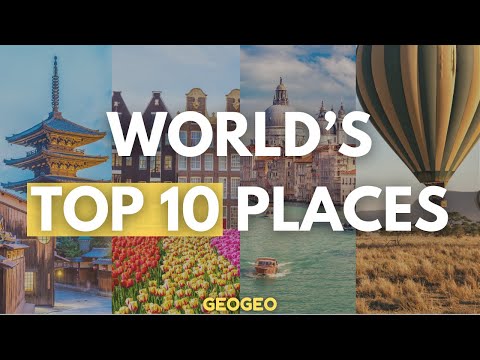
When travelers ask about the best places to see in world, they are often searching for more than just a list of tourist magnets. They want transformative experiences, breathtaking landscapes, cultural immersion, and destinations that stay etched in their memory forever. Whether you are a first-time adventurer or a seasoned globe-trotter, the planet offers an extraordinary range of destinations that cater to every interest, budget, and travel style. From ancient wonders that have captivated humanity for millennia to hidden corners of the earth that feel almost otherworldly, this guide covers the most remarkable destinations you should consider for your next journey. Let us dive deep into the places that truly deserve a spot on your must-visit list.
Iconic Destinations That Define World Travel
Some places have earned their reputation through centuries of cultural significance, architectural brilliance, and sheer visual grandeur. These iconic landmarks represent the very best of what our planet has to offer and serve as the foundation of any meaningful travel bucket list.
The Grand Canyon, United States
Carved over millions of years by the Colorado River, the Grand Canyon stretches 277 miles long and reaches depths of over a mile. It is one of the Seven Natural Wonders of the World, and for good reason. The layered bands of red rock reveal nearly two billion years of geological history. Visitors can hike the Bright Angel Trail, witness sunrise from Mather Point, or explore the canyon floor via rafting expeditions along the Colorado River. The sheer scale of this natural wonder makes it a non-negotiable stop for anyone passionate about travel.
The Great Wall of China
Stretching over 13,000 miles across northern China, the Great Wall is the longest structure ever built by humans. Originally constructed as a series of fortifications against invasions, it now stands as a symbol of perseverance and engineering brilliance. Popular sections like Badaling and Mutianyu offer accessible experiences, while the wild, unrestored Jinshanling section appeals to more adventurous hikers. Walking along the ancient stones at sunrise, with mist rolling over the mountains, provides an experience that photographs simply cannot capture.
Machu Picchu, Peru
Perched high in the Andes Mountains at an elevation of 2,430 meters, Machu Picchu is an Incan citadel that was built in the 15th century and abandoned during the Spanish Conquest. It remained largely unknown to the outside world until 1911. Today, it attracts over a million visitors annually who come to marvel at its precise dry-stone construction, agricultural terraces, and panoramic mountain views. The classic Inca Trail trek to reach the ruins is considered one of the world’s greatest multi-day hikes, combining physical challenge with profound cultural discovery.
Hidden Gems That Rival the Famous Spots

While iconic landmarks deserve their fame, some of the world’s most extraordinary places remain surprisingly off the beaten path. These hidden gems offer authentic experiences without the overwhelming crowds, and they often deliver deeper, more personal connections with the destination.
Faroe Islands, Denmark
Nestled between Iceland and Norway in the North Atlantic, the Faroe Islands feature dramatic cliff-side villages, cascading waterfalls that plunge directly into the ocean, and rolling green hills that seem almost surreal. The islands are a paradise for photographers, hikers, and birdwatchers. Tórshavn, the capital, offers a charming old town with colorful wooden houses and a thriving culinary scene rooted in Nordic traditions. Visiting in summer means experiencing the midnight sun, while winter brings the chance to witness the northern lights.
Svaneti Region, Georgia
tucked into the Caucasus Mountains of the Republic of Georgia, Svaneti is home to medieval stone tower villages that have stood for over a thousand years. The region is incredibly remote, accessible mainly by a winding mountain road or a short domestic flight. hikers will find the trek to Chalaadi Glacier and the Ushba mountain base absolutely unforgettable. Georgian hospitality is legendary here, with families offering homemade wine, freshly baked bread, and hearty stews to visitors. For travelers seeking authenticity and raw natural beauty, Svaneti is unmatched.
Luang Prabang, Laos
This UNESCO World Heritage town sits at the confluence of the Mekong and Nam Khan rivers and is renowned for its golden Buddhist temples, French colonial architecture, and vibrant night market. Every morning, hundreds of monks walk silently through the streets collecting alms in a tradition that has continued for centuries. Luang Prabang offers a peaceful alternative to the busier tourist hubs of Southeast Asia, and the nearby Kuang Si Waterfall, with its turquoise tiers, is one of the most beautiful natural attractions in the region.
Best Places to See by Category
Not all travel experiences are the same. Some travelers prioritize ancient history, while others crave natural landscapes or urban energy. The comparison table below breaks down the best places categorized by the type of experience they deliver.
| Category | Top Destination | Key Highlight | Best Time to Visit |
| Ancient History | Petra, Jordan | Rose-red city carved into sandstone cliffs | March to May |
| Natural Wonders | Victoria Falls, Zambia/Zimbabwe | Largest waterfall curtain in the world | February to May |
| Urban Exploration | Tokyo, Japan | Futuristic cityscape blending tradition and modernity | March to May, October to November |
| Beaches & Islands | Maldives | Crystal-clear lagoons and overwater villas | November to April |
| Cultural Immersion | Varanasi, India | Spiritual heart of Hinduism along the Ganges | October to March |
| Adventure Travel | Patagonia, Argentina/Chile | Glaciers, mountains, and vast wilderness | November to March |
Each category opens up entirely different possibilities. For instance, if you are drawn to ancient history, Petra should be at the top of your list. Carved by the Nabataeans over 2,000 years ago, the Treasury facade emerges from rose-colored rock in a way that feels almost magical. Pairing it with a visit to the nearby Wadi Rum desert adds a layer of desert adventure that completes the Jordan experience. Similarly, Victoria Falls is not just a visual spectacle but an immersive encounter with raw natural power that leaves every visitor speechless.
Practical Tips for Planning Your Global Journey
Booking the best places to see in world requires more than just picking destinations and buying a plane ticket. Thoughtful planning ensures you maximize your experience while staying safe, comfortable, and within budget.
- Prioritize visa requirements early. Some countries, such as India, China, and Russia, require advance planning for tourist visas. Start the application process at least two months before departure to avoid last-minute complications.
- Book internal flights and trains in advance. In countries with vast distances, like Australia, Canada, or Brazil, domestic travel can become expensive if booked at the last minute. Use comparison platforms like Skyscanner or Google Flights to find the best deals.
- Pack for climate diversity. If your itinerary includes multiple climate zones, layerable clothing and versatile footwear are essential. A good travel daypack protects valuables during day excursions.
- Learn basic local phrases. Even a few words in the local language, such as greetings and thank you, can open doors and create warmer interactions with locals in destinations like rural Thailand, Morocco, or Peru.
- Travel insurance is non-negotiable. Medical emergencies abroad can be financially devastating. Comprehensive coverage that includes trip cancellation, health emergencies, and lost luggage provides peace of mind.
Recommendations for Every Traveler Level
Beginner Travelers
If you are just starting your journey into international travel, begin with destinations that offer strong infrastructure, English-speaking populations, and easy access to attractions. Japan, Singapore, and Portugal are excellent choices. Tokyo is incredibly welcoming to first-time international visitors, with signage that includes English translations and a public transportation system that runs with punctual precision. Portugal offers a similar comfort level with the added benefit of affordable prices, stunning coastlines, and rich culinary traditions.
Intermediate Travelers
Once you have completed a few trips, challenge yourself with destinations that require a bit more cultural adaptability. Countries like Vietnam, Morocco, and Colombia offer immersive experiences without venturing too far from your comfort zone. Hanoi in Vietnam dazzles with its street food scene, motorbike-filled boulevards, and centuries-old temples. Marrakech in Morocco overwhelms the senses with bustling souks, aromatic spice markets, and intricate tilework architecture.
Advanced Travelers
Experienced travelers looking for the deepest possible immersion should consider destinations like Bhutan, Papua New Guinea, or remote Arctic regions. Bhutan requires tourists to book through licensed operators and pay a daily sustainable tourism fee, but the reward is access to pristine Himalayan monasteries and untouched valleys. Papua New Guinea offers one of the most culturally diverse environments on earth, with over 800 languages spoken across thousands of distinct tribal communities. These destinations demand more preparation and flexibility but reward with experiences no other traveler can replicate.
Final Thoughts
The best places to see in world are not just about checking off landmarks. They are about moments of wonder, connection, and personal growth that reshape how you understand the planet and yourself. From the ancient stone corridors of Petra to the silent forests of the Faroe Islands, from the bustling energy of Tokyo to the spiritual calm of Varanasi, every destination on this list offers something irreplaceable. Plan thoughtfully, travel respectfully, and let curiosity guide you. The world is vast, diverse, and waiting to share its stories with those willing to listen.
Frequently Asked Questions
What are the best places to see in the world for first-time international travelers?

For first-time international travelers, destinations like Japan, Portugal, Singapore, and Thailand are ideal. They offer excellent infrastructure, easy navigation, welcoming locals, and a rich mix of culture and cuisine. These countries provide a gentle introduction to international travel while still delivering unforgettable experiences.
Which places to see in the world are most affordable for budget travelers?
Budget-conscious travelers will find Southeast Asia, Eastern Europe, and parts of Central America to be the most affordable regions. Countries like Vietnam, Cambodia, Bolivia, and Romania offer incredible experiences at a fraction of the cost of Western Europe or North America. Street food, local guesthouses, and public transportation keep daily expenses remarkably low.
What is the best time of year to visit the top destinations worldwide?
The best time varies by destination, but generally, spring and autumn offer the most favorable conditions for most popular places. March to May and September to November provide comfortable temperatures, fewer crowds, and lower prices compared to peak summer months. However, tropical destinations like the Maldives and Caribbean are best visited during their dry seasons from November to April.
How can I stay safe while visiting less-touristed places around the world?
Staying safe in less-touristed areas requires preparation and awareness. Research local customs and potential risks before arrival, register with your country’s embassy, keep digital copies of important documents, and avoid traveling alone at night in unfamiliar areas. Hiring local guides in remote regions like Svaneti or Papua New Guinea adds a layer of security and provides invaluable cultural context.
What is the single most worthwhile destination to add to a lifetime travel list?
While it depends on personal interests, many seasoned travelers consistently highlight Iceland as the single most worthwhile destination. Its combination of volcanic landscapes, glaciers, geothermal hot springs, northern lights, and compact accessibility makes it uniquely transformative. A two-week road trip around the entire island can deliver experiences that feel otherworldly and are accessible to travelers of all fitness levels.