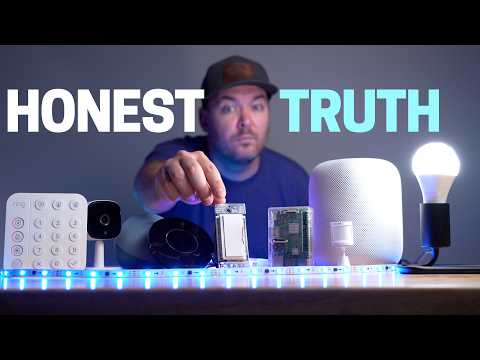
If you have been exploring ways to transform your living space into a connected, automated home, the sheer number of smart devices available today can feel overwhelming. The best devices for smart home ecosystems span everything from voice-controlled speakers and intelligent lighting systems to advanced security cameras and learning thermostats. Choosing the right combination depends on your lifestyle, budget, and the platform you prefer — whether that is Amazon Alexa, Google Home, Apple HomeKit, or Samsung SmartThings. This guide breaks down the top smart home devices across every category, gives you expert recommendations, and helps you build a setup that actually works seamlessly together rather than collecting dust on a shelf.
Understanding Smart Home Ecosystems Before You Buy
Before diving into individual products, it is essential to understand that the best smart home devices are not just about brand names — they are about compatibility. A smart home ecosystem is the underlying platform that allows your devices to communicate with each other. Choosing the right one from the start prevents the frustrating experience of devices that refuse to work together. Most consumers gravitate toward one of three major ecosystems.
- Amazon Alexa: The largest smart home library with the widest device compatibility and the most affordable entry points.
- Google Home: Excels in natural language understanding, integrates deeply with Google services, and offers excellent routines automation.
- Apple HomeKit: Prioritizes privacy and security, offers a polished interface, and works best for users already invested in the Apple ecosystem.
- Samsung SmartThings: An open platform that supports a massive range of third-party devices including Zigbee and Z-Wave protocols.
When evaluating the best smart home devices for beginners, always check whether a product is “Works with Alexa,” “Works with Google,” or “Apple HomeKit compatible.” This single check eliminates 90% of compatibility headaches down the road.
Smart Speakers and Displays: The Command Center of Your Home
A smart speaker or smart display serves as the brain and voice interface of any smart home automation setup. These devices handle voice commands, control other connected products, stream music, set reminders, and manage routines that automate multiple actions with a single phrase.
Top Smart Speakers and Displays to Consider

- Amazon Echo (4th Generation): The most versatile smart speaker with a built-in Zigbee hub, excellent sound quality, and deep integration with thousands of third-party devices. It remains the go-to choice for budget-conscious smart home builders.
- Google Nest Audio: Offers superior music quality and the most natural voice recognition on the market. Ideal for users who rely heavily on Google search, calendars, and YouTube.
- Apple HomePod Mini: A compact, aesthetically pleasing option for Apple users. It provides secure, local processing for HomeKit devices and handles intercom and room-to-room audio beautifully.
- Amazon Echo Show 10 (3rd Gen): The best smart display for families. Its rotating screen follows you around the room, making video calls and recipe watching a hands-free experience.
Expert tip: If you want to future-proof your investment, purchase a smart speaker with a built-in smart hub. Devices like the Echo (4th Gen) and Google Nest Hub (2nd Gen) support multiple wireless protocols natively, reducing the number of additional bridges or hubs you need to buy.
Smart Lighting: The Easiest Way to Transform Any Room
Smart lighting is consistently one of the first purchases people make when building a connected home setup, and for good reason. It delivers immediate, visible results and requires almost no technical knowledge to set up. From color-changing bulbs that set the mood for movie night to motion-activated hallway lights, the options are remarkably diverse.
Best Smart Bulbs and Lighting Systems
- Philips Hue White and Color Ambiance: The gold standard in smart lighting. With over 16 million colors, extensive third-party integration, and reliable performance, it is the most trusted brand for both beginners and enthusiasts.
- LIFX Z Strip: A direct-wire LED strip that requires no hub and offers vibrant colors with excellent brightness. Perfect for accent lighting behind TVs or under cabinets.
- Wyze Bulb Color: An affordable alternative that delivers surprisingly good color accuracy and smart features at a fraction of the Philips Hue price.
- Govee Glide Hexa: A modular LED panel system that creates immersive ambient effects, ideal for gaming setups and home theaters.
When comparing smart lighting solutions, consider whether you need a hub-based system or a Wi-Fi direct option. Hub-based systems like Philips Hue tend to be more stable and support more devices, while Wi-Fi bulbs are simpler to set up but can strain your network if you add too many.
Smart Security Devices: Protecting Your Home Intelligently
Home security is one of the strongest use cases for smart home technology. Modern security devices go far beyond basic alarms — they offer real-time alerts, facial recognition, two-way audio, and cloud or local storage options. The best smart home security devices integrate seamlessly into your daily routines, arm or disarm automatically based on your location, and keep you informed about everything happening at home.
Smart Locks
Smart locks eliminate the need for physical keys and allow you to grant temporary access to guests, delivery drivers, or cleaners. The top contenders include:

- August Wi-Fi Smart Lock (4th Gen): Installs over your existing deadbolt without replacing the entire lock mechanism. It supports Alexa and Google Assistant and auto-unlocks when you arrive home.
- Yale Assure Lock 2: A sleek, minimalist design available in multiple finish options. It offers both Wi-Fi and Bluetooth variants and integrates well with most smart home platforms.
- Schlage Encode Plus: A premium smart deadbolt with built-in Wi-Fi, Apple HomeKey support, and a fingerprint reader for keyless entry without a phone.
Security Cameras
- Arlo Pro 5S 2K: Wire-free, weather-resistant, and feature-rich with color night vision and built-in sirens. Excellent for both indoor and outdoor monitoring.
- Blink Outdoor 4: An affordable battery-powered camera with two-year battery life and solid 1080p video quality for a budget-friendly security solution.
- Google Nest Cam (Wired): Offers intelligent person and pet detection with 24/7 continuous recording and seamless integration into the Google Home app.
Smart Climate Control: Comfort That Learns Your Habits
Smart thermostats are one of the highest-impact devices you can add to your home. They learn your schedule, adjust temperatures automatically, and can reduce energy bills significantly. According to studies, a programmable smart thermostat can save homeowners between 10% and 23% on heating and cooling costs annually.
| Device | Key Feature | Compatibility | Price Range |
| Google Nest Thermostat (3rd Gen) | Learning algorithm, Energy Star certified | Google Home, Alexa, HomeKit | $100–$130 |
| Ecobee SmartThermostat Premium | Built-in Alexa, room sensors included | Alexa, HomeKit, Google | $220–$250 |
| Amazon Echo Thermostat | Budget-friendly, Alexa built-in | Alexa | $60–$80 |
| Honeywell Home T9 | Remote room sensors, geofencing | Alexa, Google Home | $110–$140 |
If you want the best smart thermostat for a large home with multiple rooms, the Ecobee SmartThermostat Premium stands out because its included room sensors detect temperature and occupancy in different zones. For budget buyers, the Amazon Echo Thermostat delivers reliable performance without breaking the bank.
Smart Plugs, Switches, and Sensors: The Building Blocks
Smart plugs and switches are the unsung heroes of any affordable smart home starter kit. They transform any “dumb” device — lamps, fans, coffee makers, space heaters — into a connected, automatable device. These small investments create the foundation for automation routines that make your home genuinely smarter.
- TP-Link Kasa Smart Plug Mini: Reliable, compact, and affordable with excellent Alexa and Google Home integration. A perfect entry-level smart home device.
- Lutron Caséta Smart Dimmer: The best smart switch for lighting control. It uses a proprietary hub that offers exceptional reliability and supports a wide range of bulb types without flickering.
- Aqara Door/Window Sensor: A tiny, affordable sensor that triggers automations when doors or windows open or close. Essential for security routines and energy savings.
- Sonoff Mini R4: A budget-friendly smart switch with local processing, ideal for users who want home automation without cloud dependency.
Comparison: Best Smart Home Devices by Category
| Category | Top Pick | Best for | Ecosystem |
| Smart Speaker | Amazon Echo (4th Gen) | Overall versatility and hub support | Alexa |
| Smart Lighting | Philips Hue White and Color | Reliability and color range | Alexa, Google, HomeKit |
| Smart Lock | August Wi-Fi Smart Lock | Easy installation and auto-unlock | Alexa, Google, HomeKit |
| Security Camera | Arlo Pro 5S 2K | Wire-free flexibility and 2K quality | Alexa, Google |
| Smart Thermostat | Ecobee SmartThermostat Premium | Multi-room comfort and energy savings | Alexa, Google, HomeKit |
| Smart Plug | TP-Link Kasa Smart Plug Mini | Budget-friendly automation starter | Alexa, Google |
Final Thoughts and Expert Recommendations
Building a smart home is not about buying every device on the market — it is about choosing the best smart home devices that fit your specific needs and integrating them into a cohesive system. Start with a smart speaker or display as your command center, then add devices incrementally based on what will improve your daily life the most. Prioritize devices that support your chosen ecosystem and wireless protocol. Whether you are a complete beginner or an advanced user looking to layer in Z-Wave sensors and custom automations, the right combination of devices creates a home that is more convenient, more secure, and genuinely more enjoyable to live in. Take your time, plan your setup, and resist the urge to buy everything at once — a well-thought-out smart home beats a cluttered one every single time.
Frequently Asked Questions
What are the best smart home devices for beginners on a budget?
The best budget-friendly smart home starter devices include the Amazon Echo Dot (5th Gen), TP-Link Kasa Smart Plug Mini, and Wyze Cam v3. Together, these three products cost under $100 and give you voice control, remote outlet management, and basic security monitoring — everything a beginner needs to experience the value of a connected home without a significant investment.
Which smart home devices work best with Apple HomeKit?
Apple HomeKit-compatible devices include the Apple HomePod Mini, Philips Hue bulbs, August Wi-Fi Smart Lock, Ecobee SmartThermostat, and Eve Motion Sensor. These products offer end-to-end encryption, local processing for faster response times, and the tight integration that Apple users expect across their iPhone, iPad, Apple Watch, and Home app interface.
Do I need a smart hub or bridge for my devices to work?
It depends on the device and the protocol it uses. Wi-Fi devices like TP-Link Kasa plugs connect directly to your router without a hub. Zigbee and Z-Wave devices such as Philips Hue bulbs and Aqara sensors require a bridge or hub to translate their signals. Devices like the Amazon Echo (4th Gen) and Samsung SmartThings Station include built-in Zigbee hubs, which can eliminate the need for separate bridges in many setups.
How do I choose between Alexa, Google Assistant, and Siri for my smart home?
Choose Alexa if you want the largest library of compatible devices and the most affordable hardware options. Choose Google Assistant if you value natural conversations, excellent search capabilities, and strong integration with Google Calendar and YouTube. Choose Siri and Apple HomeKit if privacy, security, and seamless Apple device integration are your top priorities. Many advanced users run multiple ecosystems simultaneously using bridge devices like Home Assistant or Hubitat.
What is the best way to automate smart home devices without technical skills?
The easiest automation method is using built-in routines within your ecosystem app. Alexa Routines, Google Home Routines, and Apple HomeKit Scenes allow you to chain multiple device actions into a single trigger — such as saying “Goodnight” to turn off lights, lock doors, adjust the thermostat, and arm security cameras simultaneously. No coding or technical knowledge is required; you simply configure the trigger and the actions through a user-friendly interface.