When it comes to staying connected in today’s digital-first world, choosing the right cable and internet providers is one of the most consequential decisions you can make for your household or business. Whether you’re streaming 4K content, running a home office, gaming online, or simply browsing the web, the quality of your internet connection shapes virtually every online experience. The market is crowded with options ranging from legacy DSL networks to cutting-edge fiber-optic infrastructure, and navigating through them can feel overwhelming. This comprehensive guide breaks down everything you need to know about broadband providers, cable television bundles, pricing structures, speed tiers, and hidden fees—so you can make a confident, informed choice that matches your lifestyle and budget.
What Are Cable and Internet Providers?
Cable and internet providers are telecommunications companies that deliver both television programming and high-speed internet access to residential and commercial customers. Historically, these companies started as cable TV operators who later expanded into broadband services using the same coaxial cable infrastructure. Today, many of the biggest internet service providers (ISPs) offer bundled packages that combine cable TV, internet, and sometimes phone service into a single monthly bill.
The distinction between a pure internet provider and a cable-internet bundle provider matters because it affects pricing, contract terms, channel selection, and the technology used to deliver your service. Companies like Comcast Xfinity, Charter Spectrum, Cox Communications, and AT&T are some of the most recognized cable internet providers operating across the United States. Each brings its own strengths, weaknesses, and regional availability to the table.
How Cable and Internet Providers Deliver Service
Understanding the underlying technology helps you appreciate why speeds, reliability, and pricing differ so dramatically between providers. Cable internet traditionally uses coaxial cables originally designed for television signals. These cables carry data using a portion of the bandwidth that isn’t being used for broadcast TV, a method known as Data Over Cable Service Interface Specification (DOCSIS).

Fiber-optic providers, on the other hand, transmit data as pulses of light through glass fibers, delivering symmetrical upload and download speeds that far exceed what traditional cable can offer. Fixed wireless and satellite providers use radio frequencies or geostationary satellites, making them viable options in rural areas where laying physical infrastructure isn’t practical.
Types of Internet Services Offered by Providers
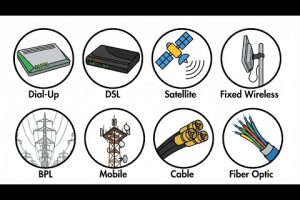
Not all broadband is created equal. Here is a breakdown of the major service types you’ll encounter when comparing high-speed internet providers:
DSL (Digital Subscriber Line)
DSL uses existing telephone lines to deliver internet service. While it’s widely available, speeds are generally lower than cable or fiber, typically topping out around 100 Mbps. DSL remains a functional option for light users in areas without newer infrastructure.

Cable Internet
Delivered through coaxial cables, cable internet offers solid mid-range speeds from 100 Mbps to 1,000 Mbps. It’s widely available in urban and suburban neighborhoods and remains the backbone of many affordable internet providers.
Fiber-Optic Internet
Fiber is the gold standard, offering speeds from 200 Mbps up to 5,000 Mbps with symmetrical upload capabilities. Providers like Google Fiber, AT&T Fiber, and Ziply Fiber are expanding rapidly, though availability is still limited in many regions.

Satellite Internet
Satellite service reaches remote locations where wired infrastructure doesn’t exist. Providers like HughesNet and Viasat offer nationwide coverage, though latency and data caps remain persistent drawbacks.
Fixed Wireless Internet
Fixed wireless uses cell-tower signals to deliver broadband to fixed locations. It’s emerging as a competitive option for rural and semi-rural customers, with providers like T-Mobile Home Internet and Verizon fixed wireless gaining traction.
Top Cable and Internet Providers Compared
Choosing among the leading broadband providers requires a clear picture of what each one brings to the table. The following comparison table highlights key differentiators across major national providers:
| Provider | Technology | Max Download Speed | Starting Price | Contract Required | Data Cap |
| Xfinity (Comcast) | Cable / Fiber | 1,200 Mbps | $30/mo | 12 months | 1.2 TB (varies) |
| Spectrum (Charter) | Cable | 940 Mbps | $50/mo | No contract | None |
| Cox Communications | Cable / Fiber | 1,000 Mbps | $30/mo | 12 months | 1 TB |
| AT&T Internet | Fiber / DSL | 5,000 Mbps | $40/mo | No contract (fiber) | None (fiber) |
| Mediacom | Cable / Fiber | 1,000 Mbps | $30/mo | 12 months | Unlimited |
Note that pricing and availability fluctuate by region, and promotional rates typically expire after 12 to 24 months. Always verify current offers directly with the provider before committing.
How to Choose the Right Cable and Internet Provider
Selecting the ideal cable TV and internet bundles provider involves balancing several practical considerations. Here are the most critical factors to evaluate:
Speed Requirements
Your household’s internet usage determines the speed tier you actually need. For streaming on one or two devices, 100 to 200 Mbps is sufficient. Households with multiple users streaming simultaneously, working from home, and gaming online should target 400 Mbps or higher. Power users and smart-home-heavy households benefit most from gigabit-level plans.
Pricing and Value
The cheapest internet service providers aren’t always the best value. Evaluate the total cost over the contract period, including installation fees, equipment rental charges, and early termination penalties. Sometimes a slightly higher monthly rate with no contract saves you money in the long run.
Contract Terms
Some providers lock you into 12- or 24-month agreements with price guarantees, while others offer month-to-month flexibility. No-contract providers like Spectrum have a loyal customer base precisely because of this freedom, even if the sticker price appears higher upfront.
Customer Support Quality
This is one of the most overlooked factors. Research consumer satisfaction surveys, Better Business Bureau ratings, and real user reviews on platforms like Trustpilot. A provider with poor technical support can turn a minor outage into a days-long headache.
Equipment and Installation
Ask whether the provider includes a modem and router in the monthly fee or charges separate equipment rental fees. Some companies push proprietary gateways that cost $15 or more per month to rent. Buying your own compatible equipment can save $180 or more annually.
Common Mistakes When Choosing Internet Providers
Many consumers make avoidable errors during the selection process. Watch out for these pitfalls:
- Ignoring upload speeds. Upload matters enormously for video conferencing, streaming content, and cloud backups. Cable plans often have much lower upload speeds than download speeds, while fiber offers symmetrical performance.
- Overlooking data caps. Several cable internet providers enforce monthly data limits ranging from 1 to 1.2 TB. Exceeding these caps triggers overage fees that can add $10 to $15 per incident, which adds up fast for heavy households.
- Not checking availability accurately. Provider websites sometimes show service availability at the ZIP code level rather than your specific address. Always enter your full street address before ordering.
- Skipping competitor checks. Even if your current provider quotes a promotional rate, calling or browsing a competitor’s site often unlocks better retention offers.
Expert Tips for Getting the Best Deal from Cable and Internet Providers
Industry insiders rely on these strategies to minimize costs and maximize service quality:
- Call the competitor before signing anything. Mention that you’re considering switching and ask what retention offers are available. This single call frequently unlocks discounts of 20 to 40 percent off the standard rate.
- Bundle strategically. Combining cable TV, internet, and phone service can reduce your monthly total significantly, but audit whether you actually use every included service. Sometimes a standalone internet plan plus a separate streaming subscription is cheaper.
- Negotiate equipment fees. Providers often waive modem or router rental charges as a goodwill gesture if you ask politely or threaten to cancel.
- Set calendar reminders for promotional rate expirations. When your discounted plan expires, your bill can jump by $20 to $50 overnight. Calling before the renewal date to reinstate a promotion is a proven money-saving habit.
- Consider self-installation. Many providers offer $0 installation if you self-install, saving you $50 to $100 upfront.
Frequently Asked Questions About Cable and Internet Providers
What is the best cable and internet provider for bundles?
The best bundle provider depends on your region, but Xfinity and Cox consistently rank highly for combining competitive internet speeds with extensive cable TV channel lineups. AT&T is another strong choice, especially where fiber availability exists. Compare channel guides, internet speed tiers, and bundled pricing for your specific address before deciding.
Are no-contract internet plans from cable providers worth it?
No-contract plans offer flexibility and peace of mind, making them worthwhile for households that value the freedom to switch providers without penalty. Spectrum is the most prominent no-contract national provider. While monthly rates may run slightly higher than contract-backed competitors, the long-term savings from avoided early termination fees often justify the premium.
Can I get high-speed internet without a cable TV subscription?
Absolutely. Most providers now offer standalone internet plans without requiring a cable TV subscription. This is increasingly common as consumers cut traditional cord-paying habits and pivot toward streaming platforms like Netflix, Disney+, and Hulu. Standalone broadband plans from high-speed internet providers are competitively priced and often come with better promotional offers.
How much internet speed do I actually need for streaming and gaming?
For 4K streaming on a single device, 25 Mbps is sufficient. Add video calling, multiple simultaneous streams, and online gaming, and you’ll want 200 Mbps or higher. Competitive gamers who demand low latency should prioritize fiber-optic connections where available, as they consistently deliver lower ping times than cable or DSL.
What should I do if my cable internet provider has frequent outages?
Document outage patterns, including dates, durations, and impact. Contact technical support repeatedly until the issue escalates appropriately. If outages persist and remain unresolved, file complaints with the Federal Communications Commission (FCC) and your state’s public utilities commission. These complaints often accelerate corrective action from the provider.
Hidden fees are unfortunately common. Equipment rental, installation, early termination, broadcast TV fees, and regional sports network charges frequently appear as line items that aren’t disclosed during initial sales conversations. Always request a complete breakdown of all recurring and one-time charges before finalizing your order.
Final Thoughts on Choosing Cable and Internet Providers
The landscape of cable and internet providers is more competitive than ever, which is excellent news for consumers. Whether you prioritize raw speed, budget-friendly pricing, contract flexibility, or a comprehensive entertainment bundle, there is a provider configuration designed to match your priorities. Take the time to research your address-specific availability, compare plans side by side, leverage retention offers, and don’t hesitate to switch if your current provider fails to meet expectations. Armed with the insights in this guide, you’re fully equipped to navigate the broadband market with confidence and secure a service plan that truly delivers value every single month.