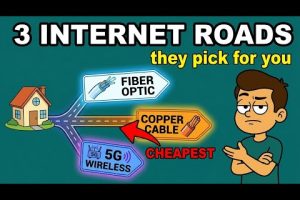
If you have been searching for “cable options in my area,” you are not alone. Millions of households across the United States are actively looking for reliable cable television and internet providers that deliver strong signal quality, competitive pricing, and flexible packages. Whether you have just moved to a new neighborhood, cut the cord and want to return to traditional cable, or are simply shopping around for a better deal, understanding what is available in your local market can make all the difference. This guide breaks down every major consideration, from the types of cable services offered to the practical steps you can take to secure the best package for your home.

Understanding Your Local Cable Options
The cable landscape in any given area depends on several factors, including regional infrastructure, local franchise agreements, and the major providers operating in your zip code. Most urban and suburban regions have access to multiple cable operators, while rural areas may have a more limited selection. Cable providers typically deliver television, high-speed internet, and sometimes home phone services through coaxial or fiber-optic lines. The availability of these services varies widely, and knowing what options exist in your specific location is the first step toward making a smart choice.
When researching cable options in my area, the most common providers you will encounter include national chains like Xfinity, Spectrum, Cox Communications, and Mediacom, alongside regional operators that may serve only specific metro areas or states. Each provider offers a unique mix of channel lineups, internet speeds, pricing tiers, and promotional deals. Some also partner with streaming services, giving you the flexibility to combine traditional cable with on-demand content platforms.
Types of Cable Services Available in Your Area
Cable providers generally offer three core service categories, and many customers choose to bundle two or all three for added convenience and savings.
- Cable Television: Traditional TV service delivered through coaxial or hybrid fiber-coaxial (HFC) networks. Most providers offer hundreds of channels, including local broadcast stations, sports packages, movie channels, and international programming.
- High-Speed Internet: Cable internet uses the same coaxial infrastructure to deliver broadband speeds ranging from 100 Mbps to over 1 Gbps, depending on your provider and plan tier.
- Home Phone Service: Digital voice service that operates over the cable network, often offering unlimited domestic calling at a fraction of the cost of traditional landline providers.
In addition to these core services, many providers now offer streaming-friendly cable packages that allow you to access live TV and on-demand content through apps on smart TVs, phones, and tablets. This hybrid approach is becoming increasingly popular among cord-cutters who still want access to live sports and news programming.
How to Find the Best Cable Providers Near You
Finding the right cable provider starts with a simple but effective process. Here are the steps you should follow:
- Enter Your Zip Code: Start by visiting the websites of major providers and entering your address. This will immediately show you which services are available at your specific location.
- Compare Channel Lineups: Review the channel packages offered by each provider. Pay attention to the sports channels, premium movie networks, and local broadcast stations included in each tier.
- Check Internet Speed Options: If bundling TV with internet, compare the download and upload speeds available in your area. Faster speeds are especially important for households with multiple users and smart home devices.
- Review Contract Terms: Look for promotional pricing, contract length requirements, early termination fees, and any equipment rental charges.
- Read Customer Reviews: Check independent review sites for real-world feedback on service reliability, customer support responsiveness, and billing transparency.
Top Cable Providers and What They Offer

The table below provides a quick side-by-side comparison of the most widely available cable providers in the United States and their key features.
| Provider | Max TV Channels | Internet Speed Range | Starting Price (/mo) | Notable Feature |
| Xfinity | 185+ | 75 Mbps – 1.2 Gbps | $35 – $80 | xFi Gateway, extensive streaming integration |
| Spectrum | 200+ | 300 Mbps – 1 Gbps | $45 – $110 | No contract required on internet plans |
| Cox Communications | 160+ | 25 Mbps – 1 Gbps | $30 – $90 | Panoramic Wi-Fi, flexible add-ons |
| Mediacom | 175+ | 60 Mbps – 1 Gbps | $25 – $75 | Affordable entry-level bundles |
| AT&T Fiber (where available) | Limited TV | 300 Mbps – 5 Gbps | $35 – $60 | Fiber-optic reliability, no data caps |
Cable TV vs. Internet: Choosing the Right Bundle for Your Home
One of the most important decisions you will make when selecting cable options in my area is whether to bundle television with internet or keep them separate. Bundling typically saves you between $10 and $30 per month compared to purchasing each service individually. However, the real value depends on how much you actually use each service.
If you are a heavy television watcher who enjoys live sports, news, and premium movie channels, a robust cable TV package combined with a mid-tier internet plan is an excellent choice. On the other hand, if most of your entertainment comes through streaming platforms like Netflix, Hulu, or Disney+, you may be better off opting for a standalone internet plan with high speeds and supplementing with individual streaming subscriptions.
Key Factors to Consider Before You Commit
- Household Size: Larger families benefit from higher data caps and faster internet speeds, especially when multiple people are streaming simultaneously.
- Local Channel Access: Make sure your chosen provider carries the local broadcast stations and regional sports networks you want.
- Equipment Costs: Many providers require a cable box for each TV and a modem/router for internet. These rental fees can add $15 to $25 per month, so factor them into your total cost.
- Installation Fees: Some providers waive installation charges during promotional periods, but standard fees can range from $50 to $100.
- Contract vs. No-Contract Plans: No-contract plans offer more flexibility, but they may come with slightly higher monthly rates.
Cost Comparison: Cable Plans in Your Area
Pricing for cable services varies significantly depending on your location, the provider, and the specific package you choose. On average, a basic cable TV package ranges from $35 to $65 per month, while mid-tier plans with expanded channel lineups and internet bundles typically fall between $70 and $120 per month. Premium bundles that include internet, TV, and phone service can cost $130 or more monthly but deliver the most comprehensive value for households that use all three services.
It is also worth noting that promotional pricing often applies only for the first 12 months. After the promotional period ends, the regular rate can be significantly higher. Always read the fine print and ask about the standard monthly rate before signing a contract.
Expert Tips for Getting the Best Cable Deal
Getting the most value from your cable service requires a bit of strategy. Here are some expert recommendations:
- Negotiate with Retention Offers: If you are an existing customer looking for a better rate, call the retention department and ask about current promotions. Many providers will match or beat competitor pricing to keep your business.
- Bundle Strategically: Only bundle services you will actually use. Adding a home phone service to a TV and internet package can save money, but if you rarely make calls on a landline, you are paying for something you do not need.
- Consider Seasonal Promotions: Providers often run specials during the NFL season, back-to-school period, and holiday months. Timing your purchase to coincide with these promotions can save you a significant amount.
- Rent Equipment When Necessary: While purchasing your own modem or router can save money in the long run, renting equipment directly from the provider ensures full technical support and seamless troubleshooting.
- Monitor Your Bill: Review your monthly statement carefully for unexpected fees, such as broadcast television fees, regional sports network fees, and equipment rental charges. Dispute any charges that seem inaccurate.
Frequently Asked Questions
What are the best cable options in my area for rural households? Rural customers often have fewer choices than urban residents. In many cases, satellite providers like DIRECTV or DISH Network offer the most comprehensive coverage in remote areas. However, if coaxial cable infrastructure is available in your region, providers like Mediacom or local operators may offer competitive packages at lower prices than satellite alternatives.
How can I find affordable cable TV and internet bundles near me? Use online comparison tools and enter your zip code on provider websites. Look for promotional bundles that include both television and internet at a discounted rate. Many providers offer first-year pricing that is significantly lower than the ongoing monthly cost, so plan your budget accordingly.
Is cable internet faster than satellite internet in most locations? Yes, in almost all cases. Cable internet delivers speeds between 100 Mbps and 1.2 Gbps, while satellite internet typically maxes out around 100 Mbps with higher latency. If you live in an area with cable infrastructure, cable internet is the faster and more reliable choice for streaming, gaming, and remote work.
Can I get cable TV without a long-term contract? Absolutely. Providers like Spectrum and AT&T offer no-contract options for both television and cable TV services. While these plans may cost slightly more per month than contract-based plans, they give you the freedom to cancel or switch providers at any time without penalty.

What cable channels are included in basic plans? Most basic cable packages include local broadcast channels (ABC, NBC, CBS, FOX), a selection of popular cable networks (ESPN, CNN, HGTV, TBS), and a handful of movie channels. The exact lineup varies by provider and region, so check the channel guide for your specific area before committing.
Are there any hidden fees I should watch out for when choosing cable services? Yes. Common hidden fees include broadcast television fees ($10–$15/month), regional sports network fees ($5–$10/month), equipment rental charges ($10–$15/month), and early termination fees ($200 or more). Always ask for a complete breakdown of all fees before signing up.
Final Thoughts
Navigating the world of cable options in my area does not have to be overwhelming. By understanding the types of services available, comparing providers, and following practical negotiation and bundling strategies, you can find a cable package that fits your entertainment needs and budget perfectly. Take the time to research your local market, read customer reviews, and ask the right questions. The ideal cable provider for your household is out there — you just need to know where to look and what to prioritize. Whether you are building a comprehensive entertainment setup or simply searching for reliable internet service, the information in this guide will help you make a confident, well-informed decision.