


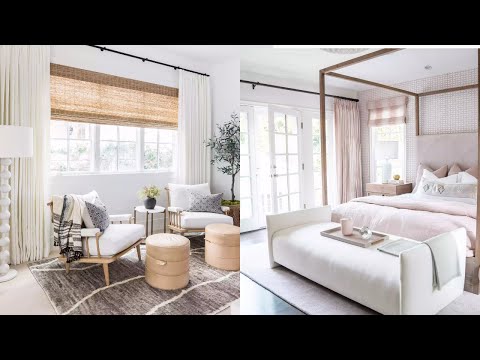

When it comes to transforming the look and feel of a room, few design decisions carry as much visual weight as the window treatments you choose. Whether you are refreshing a living space, upgrading a bedroom, or tackling a full-home renovation, the right blinds, shades, curtains, or shutters can completely redefine the atmosphere of any room. But here is the thing most homeowners overlook: there is a massive difference between slapping up any generic roller shade and selecting window treatments that are intentional, layered, and styled with purpose. Interior designers spend years mastering the art of window dressing, and the tips they rely on are surprisingly accessible. In this guide, you will discover professional-grade designer tips for window treatments that will elevate your home’s aesthetic, improve energy efficiency, and solve real functional problems. We are going deep into fabric selection, measurement techniques, layering strategies, color coordination, and the trending styles that today’s top designers are specifying for their clients.
Why Designer Window Treatments Matter More Than You Think

Many people treat window coverings as a purely utilitarian choice — something to block sunlight or provide privacy. But professional designers understand that window treatments serve as the architectural jewelry of a room. They frame the view, anchor the window wall, influence natural light quality, and even affect how spacious or intimate a space feels. A well-chosen treatment can make a ceiling appear taller, a narrow window look wider, or an awkward alcove feel intentionally designed. Beyond aesthetics, quality window treatments contribute meaningfully to thermal insulation, UV protection, and acoustic dampening. The difference between a $30 off-the-rack blind and a custom-fitted, designer-selected treatment is night and day in terms of both appearance and performance. When you invest in informed design choices, you are not just decorating — you are engineering comfort and curb appeal into every window.
Key Reasons Designers Prioritize Custom Window Treatments
- Precision Fit: Custom treatments eliminate gaps and uneven stacking that cheap blinds often exhibit.
- Light Control Precision: Designers can specify blackout liners, solar screen weaves, or sheer overlays tailored to each room’s function.
- Material Quality: Premium fabrics and finishes last years longer than budget alternatives and resist fading better.
- Architectural Harmony: Custom options allow you to match molding profiles, ceiling heights, and overall design style seamlessly.
- Resale Value: Thoughtfully designed window treatments are one of the small upgrades that consistently boost perceived home value.
Choosing the Right Fabric and Material for Your Space

The single most impactful decision in any window treatment project is fabric selection. Your choice of material determines how the treatment drapes, how it filters or blocks light, how it feels to touch, and how well it ages. Designers typically evaluate fabric by considering the room’s exposure, humidity levels, traffic, and overall design direction.
Fabric Types and Their Best Applications
| Fabric Type | Best For | Light Filter | Durability |
| Linen Blend | Living rooms, bedrooms | Sheer to light-filtering | Moderate; softens beautifully over time |
| Blackout Polyester | Home theaters, nurseries | Full blackout | High; fade-resistant |
| Silk or Silk Blends | Formal dining, luxury bedrooms | Sheer to light-filtering | Low maintenance in modern weaves; delicate in pure silk |
| Solar Screen Mesh | Sun-facing rooms, skylights | Glare reduction; UV protection | Very high; UV-stable |
| Cotton Duck | Kitchens, casual spaces | Medium to full | High; easy to clean |
| Voile | Patios, transitional spaces | Sheer diffusion | Moderate; excellent airiness |
One designer secret is to always consider the hand of the fabric — the tactile quality it brings into the room. Heavier linens create a grounded, sophisticated mood, while airy voiles and sheers lend an effortless, breezy energy. For high-moisture areas like bathrooms or kitchens, treated cotton blends and moisture-resistant synthetics are non-negotiable.
Top Designer Tips for Measuring and Installing Window Treatments
Measurement errors are the number one reason window treatments look amateurish, even when the fabric and style are beautiful. Designers follow precise measuring protocols that depend on the type of treatment and the mounting approach. Here is what the professionals do differently:
- Decide Between Inside-Mount and Outside-Mount First. Inside mounts create a clean, built-in look and work best when you have at least 2.5 inches of recessed depth. Outside mounts add perceived height and width to the window, making them ideal for windows that sit too low or too shallow for an inside fit.
- Measure Width at Three Points. Always take three width measurements — top, middle, and bottom — and use the narrowest one for inside mounts. This compensates for any slight window frame irregularities.
- Add Coverage for Full Darkness. For blackout curtains or shades, designers typically recommend extending the panel 2 to 3 inches beyond the window frame on each side and adding 3 to 6 inches of overlap in the center to prevent light bleed.
- Use a Level During Installation. Even a half-degree tilt is visible and will make your entire window treatment look crooked. A simple torpedo level saves hours of correction.
- Account for Stackback. When blinds or shades roll up, they take up wall space. Measure the stackback depth and ensure your furniture or trim will not interfere with the fully raised position.
Pro Tip: When hanging curtain rods, designers mount the bracket 4 to 6 inches above the window frame and extend the rod 3 to 6 inches beyond each side. This simple trick immediately makes windows look taller and rooms feel more expansive — it is one of the most universal designer tips for window treatments that anyone can apply immediately.
Trending Window Treatment Styles That Interior Designers Love
Design trends in window treatments evolve constantly, but certain styles have proven their staying power and continue to dominate contemporary interiors. Understanding these trends helps you make choices that feel current without becoming dated quickly.
Roman Shades with a Modern Twist
Gone are the days when Roman shades only came in box pleats. Today, designers specify flat-fold, relaxed, and hobbled Roman shades that create soft, sculptural folds. These work beautifully in both formal and casual settings and pair exceptionally well with layered drapery panels.
Cellular Honeycomb Shades
Also called cellular shades, these treatments feature a honeycomb structure that traps air, providing outstanding insulation. They have become a staple in energy-conscious homes and are available in single-cell, double-cell, and even triple-cell configurations for maximum thermal performance.
Motorized Smart Shades
Smart home integration has revolutionized the window treatment industry. Motorized roller shades and drapery systems controlled via app, voice assistant, or automated scheduling allow homeowners to adjust light and privacy with effortless precision. Designers increasingly include motorized options in their specifications because they eliminate the visual clutter of cords and offer a seamless, high-tech aesthetic.
Sheer Layering with Statement Panels
This approach pairs a translucent sheer shade or curtain on the window glass with a heavier, patterned, or textured panel behind it. The sheer layer softens harsh sunlight while the statement panel adds color, pattern, and texture. It is incredibly versatile and works in virtually any room style.
Color, Pattern, and Coordination Strategies
One of the most common mistakes is selecting window treatments that clash with the rest of the room’s palette or get lost entirely against the walls. Designers use a few reliable strategies to ensure their choices harmonize perfectly.
- Match the Trim, Not the Wall: Painting your window treatment the same color as your crown molding or baseboards creates a sophisticated, architectural cohesion that the eye reads as intentional.
- Use the 60-30-10 Rule: If your wall color is 60% of the room’s palette and your furniture is 30%, your window treatments should account for the remaining 10% — typically through an accent color or a bold pattern.
- Go Monochromatic for Small Rooms: Using the same color family as the wall for your treatments helps small spaces feel larger and more unified.
- Mix Textures, Not Patterns: If your room already has a busy wallpaper or patterned sofa, choose a solid-textured treatment in a complementary tone rather than adding another pattern.
- Consider the View: When your window overlooks a beautiful landscape, sheer treatments preserve the view while softening the light. When the view is unflattering, blackout or semi-opaque options give you full control over what people see inside and out.
Quick Reference: Material vs. Room Pairing
| Room | Recommended Material | Suggested Style |
| Living Room | Linen, linen blend | Panel drapes, Roman shades |
| Bedroom | Blackout liner, velvet | Grommet curtains, cellular shades |
| Kitchen | Cotton, cotton duck | Roller shades, cafe curtains |
| Bathroom | Treated polyester, bamboo | Roller shades, woven wood |
| Home Office | Solar screen, smart shade | Motorized roller, solar shade |
| Formal Dining | Silk blend, damask | Floor-length drapes, swags |
FAQ: Long-Tail Questions Designers Get Asked Frequently
What are the best window treatments for rooms with lots of natural light?
For sun-drenched rooms, solar screen shades are the go-to choice. They are specifically engineered with a tightly woven mesh that blocks up to 99% of UV rays while still allowing natural light and an outward view. Sheer linen drapery panels layered over solar shades give you even more flexibility, letting you adjust light levels throughout the day.
How do I choose the right curtain length for high ceilings?
Designers generally recommend hanging curtains either to the floor or puddling 1 to 2 inches on the ground for a luxurious look. For ceilings taller than 10 feet, use a 1.5x to 2x fullness ratio for the drapery panels and mount the rod at least 8 inches above the frame. This proportion prevents the curtains from looking skimpy on tall windows.
Are motorized window shades worth the extra cost?
Absolutely. Beyond the obvious convenience, motorized shades protect your furniture and flooring from UV damage by making it effortless to adjust them throughout the day. They are especially valuable for hard-to-reach windows, skylights, and large glass walls where manual operation would be impractical. Many homeowners find that the automation adds meaningful comfort and long-term value.
What is the difference between inside-mount and outside-mount window treatments?
Inside-mount treatments are installed within the window recess and sit flush with the glass, creating a clean built-in look. Outside-mount treatments are attached to the wall or trim above and outside the window frame, which allows you to cover the entire opening plus add extra width and height. Outside-mount is ideal for windows with shallow recesses or when you want to make the window appear larger.
Can I mix different window treatment styles in the same room?
Yes, and many designers do this intentionally. A common approach is combining sheer roller shades on the upper portion of a window with floor-length drapery panels below, or using cellular shades on north-facing windows and Roman shades on south-facing ones. The key is to maintain a consistent color palette or material family so the mix feels cohesive rather than chaotic.
Final Thoughts on Designer Tips for Window Treatments
Window treatments are one of the most transformative — and most overlooked — elements of interior design. By understanding how fabric choice, measurement precision, mounting strategy, and color coordination work together, you can achieve results that rival anything a professional designer would specify. Start with the room’s function and natural light profile, choose your materials thoughtfully, measure meticulously, and layer with intention. The difference between a room that merely has window coverings and a room that has beautifully designed window treatments comes down to these details. Take your time, trust your instincts, and remember that every window in your home is an opportunity to add depth, character, and polish to the space you love most.