Broadband internet has become the backbone of modern digital life, powering everything from remote work and online education to streaming entertainment and smart home ecosystems. Unlike older dial-up connections that tied up phone lines and delivered painfully slow speeds, broadband internet provides a continuous, high-capacity data connection that keeps you online around the clock. Whether you are a casual browser, a remote professional, or a household managing multiple connected devices simultaneously, understanding how broadband works, what options are available, and how to choose the right plan can make a significant difference in your daily online experience. This guide dives deep into the world of high-speed internet, covering everything from connection types and speed tiers to practical tips for optimizing your setup.
What Exactly Is Broadband Internet?
The term “broadband” refers to a wide-bandwidth data transmission method that carries multiple signals and traffic types simultaneously over a single medium. In simpler terms, it is a high-speed internet connection that is always on and far faster than traditional narrowband connections. The Federal Communications Commission defines broadband as a connection with a minimum download speed of 25 Mbps and a minimum upload speed of 3 Mbps, though modern plans often exceed these baseline figures significantly. Broadband technology has evolved dramatically over the past two decades, moving from early DSL and cable connections to today’s fiber-optic networks that can deliver gigabit speeds to homes and businesses alike.
What makes broadband fundamentally different from older connection methods is its ability to maintain an open connection without tying up telephone or other communication lines. This always-on nature means your devices can receive updates, stay synced to cloud services, and remain accessible for remote connections at any time without requiring manual reconnection.
Types of Broadband Internet Connections
Not all broadband connections are created equal. The technology underlying your internet service affects speed, reliability, latency, and availability in your area. Here is a detailed look at the most common types of broadband internet available today.
1. Fiber-Optic Broadband
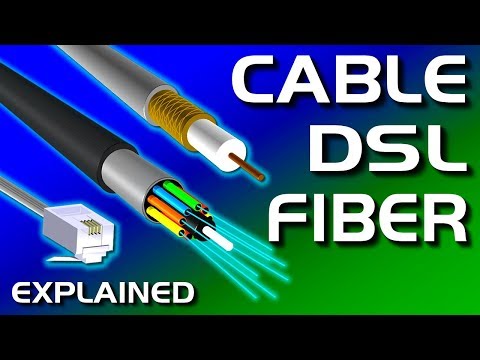
Fiber-optic broadband is widely considered the gold standard of internet connectivity. It transmits data as pulses of light through thin glass or plastic fibers, enabling extraordinarily fast speeds with minimal signal degradation over long distances. Fiber internet plans routinely offer symmetrical upload and download speeds, meaning your upload capabilities match your download speeds — a huge advantage for video conferencing, cloud backups, and content creation. Availability remains the primary limitation, as fiber infrastructure requires significant investment to deploy, particularly in rural regions.
2. Cable Broadband
Cable internet uses the same coaxial cable infrastructure that delivers television signals. Provided by major cable operators, this type of connection offers competitive speeds, typically ranging from 50 Mbps to over 1 Gbps. However, cable broadband is a shared-medium technology, meaning your neighbors on the same network segment share bandwidth. During peak usage hours, this can lead to noticeable speed fluctuations, a phenomenon commonly referred to as network congestion or peak-hour slowdowns.
3. DSL (Digital Subscriber Line)
DSL broadband transmits data over existing telephone lines, making it one of the most widely available options, especially in areas where fiber and cable infrastructure has not yet expanded. While traditional ADSL connections offered modest speeds, modern VDSL (Very-high-bit-rate Digital Subscriber Line) technology can deliver significantly faster rates. The trade-off is that DSL speeds degrade with distance from the provider’s central office, so your proximity to the source equipment directly impacts performance.
4. Fixed Wireless Broadband
Fixed wireless internet delivers connectivity through radio signals transmitted from a nearby tower to a receiver installed at your home or business. This technology has gained popularity in rural and underserved areas where laying physical cables is economically impractical. Fixed wireless access (FWA) has become increasingly competitive, with providers like T-Mobile and Verizon offering 5G-based home internet plans that rival traditional wired connections in many markets.
5. Satellite Broadband
Satellite internet has historically been the go-to option for remote and rural locations lacking terrestrial infrastructure. Recent advancements, particularly SpaceX’s Starlink constellation and competitors like HughesNet and Viasat, have dramatically improved satellite broadband performance. While latency remains higher than fiber or cable options, modern low-earth-orbit (LEO) satellite systems offer meaningful improvements for browsing, streaming, and even online gaming in areas where no other broadband option exists.
Broadband Speed Tiers Explained
Understanding broadband speed tiers helps you select a plan that matches your actual usage patterns rather than paying for more speed than you need. Here is a practical breakdown of common speed categories and what they are best suited for.
| Speed Tier | Download Speed | Best For |
| Basic Broadband | 25–50 Mbps | 1–2 users, light browsing, email, SD streaming |
| Mid-Range Broadband | 50–200 Mbps | Small families, HD streaming, video calls, casual gaming |
| High-Speed Broadband | 200–500 Mbps | Large households, 4K streaming, remote work, smart home devices |
| Gigabit Broadband | 500 Mbps–1 Gbps+ | Power users, large file transfers, multi-device households, content creators |
| Multi-Gig Broadband | 2–10 Gbps | Enterprise use, heavy data workloads, future-proofed homes |
Keep in mind that these numbers represent download speeds. Upload speed is equally important for activities like video calling, uploading large files to cloud storage, and live streaming. Fiber plans typically offer symmetrical or near-symmetrical speeds, while cable and DSL connections often have upload speeds significantly lower than their download figures.
Key Factors When Choosing a Broadband Provider
Selecting the right internet service provider involves more than just comparing advertised speeds. Here are critical factors that influence your real-world broadband experience.
- Actual vs. Advertised Speeds: ISPs often market “up to” speeds that represent theoretical maximums. Independent speed tests conducted at different times of day give a more realistic picture of performance.
- Data Caps and Throttling: Some providers impose monthly data limits or reduce speeds after a certain usage threshold. Unlimited data plans have become standard among most major providers, but always verify the terms before committing.
- Latency and Ping: For online gaming, video conferencing, and real-time applications, latency matters as much as raw bandwidth. Fiber and fixed wireless typically offer the lowest latency, while satellite connections introduce higher ping values.
- Contract Terms and Pricing: Many providers offer promotional rates for the first 12–24 months that increase significantly afterward. Look for transparent pricing and favorable contract terms.
- Equipment and Installation: Consider whether the provider supplies a modem and router, whether installation fees apply, and whether you need professional setup or can configure equipment yourself.
- Customer Support Reputation: Research local reviews, Better Business Bureau ratings, and consumer advocacy reports to gauge the quality of technical support and service reliability.
How to Optimize Your Broadband Connection
Even the fastest broadband plan can underperform if your home network setup is suboptimal. Here are expert recommendations for getting the most from your connection.
- Position your router centrally: Wi-Fi signal strength degrades with distance and through physical barriers like walls and metal objects. Place your router in a central, elevated location for maximum coverage.
- Upgrade to Wi-Fi 6 or Wi-Fi 7 equipment: Modern routers support advanced features like OFDMA, beamforming, and multi-gig ports that dramatically improve performance in high-density device environments.
- Use Ethernet for stationary devices: Desktop computers, gaming consoles, and smart TVs benefit enormously from a direct wired connection, which eliminates wireless interference and provides more consistent speeds.
- Regularly update firmware: Router manufacturers release firmware updates that improve security, fix bugs, and sometimes boost performance. Check for updates monthly or enable automatic updates if available.
- Run a speed test regularly: Tools like Speedtest.net, Fast.com, and your provider’s own testing portal help you monitor whether you are receiving the speeds you are paying for over time.
- Consider a mesh Wi-Fi system: For larger homes or buildings with challenging layouts, mesh networks distribute coverage more evenly than a single router, eliminating dead zones without the need for range extenders.
Broadband Internet and the Future of Connectivity
The broadband landscape continues to evolve rapidly. Fiber-to-the-home (FTTH) deployment is expanding across urban and suburban areas, driven by government initiatives like the FCC’s Affordable Connectivity Program and private infrastructure investments. 5G fixed wireless is reshaping expectations for wireless home internet, offering competitive speeds without the need for physical cable installation. Meanwhile, emerging technologies like low-earth-orbit satellite constellations are closing the digital divide for millions of rural Americans who previously had no viable high-speed options.
The shift toward symmetrical gigabit and multi-gigabit connections reflects growing demand driven by remote work trends, cloud-based applications, 4K and 8K content streaming, and the proliferation of Internet of Things devices in smart homes. As these demands increase, the importance of choosing a broadband provider that can scale with your needs becomes ever more critical.
Conclusion
Broadband internet is no longer a luxury — it is an essential utility that underpins virtually every aspect of modern life, from communication and commerce to education and entertainment. By understanding the different types of broadband connections, evaluating speed tiers against your actual usage needs, and optimizing your home network setup, you can ensure that your internet experience is fast, reliable, and cost-effective. Take the time to research providers in your area, read the fine print on contracts and data policies, and invest in quality networking equipment. The right broadband connection transforms not just how you access the internet, but how you live and work in a connected world.

Frequently Asked Questions
What is the difference between broadband internet and Wi-Fi?
Broadband internet refers to the high-speed data connection that enters your home through a modem, delivered by an internet service provider via fiber, cable, DSL, satellite, or fixed wireless technology. Wi-Fi, on the other hand, is the wireless networking technology that distributes that broadband connection to your devices through radio signals. You can have broadband without Wi-Fi by using a wired Ethernet connection, but Wi-Fi without broadband provides no internet access — it only creates a local network between devices.
How much broadband speed do I actually need for streaming and remote work?
For a single user handling HD streaming and standard video conferencing, a 50–100 Mbps broadband plan is generally sufficient. For households with multiple users streaming 4K content, participating in video calls, and gaming simultaneously, a plan in the 200–500 Mbps range provides comfortable headroom. Remote workers who frequently transfer large files or host screen-sharing sessions should prioritize plans with strong upload speeds, making fiber-optic broadband the ideal choice.
Can I get high-speed broadband internet in a rural area?
Yes, rural broadband options have expanded significantly in recent years. Fixed wireless access using 4G or 5G towers, low-earth-orbit satellite internet like Starlink, and increasingly available DSL and fixed wireless services from regional providers offer viable high-speed alternatives where cable and fiber infrastructure is absent. The FCC’s ongoing broadband expansion initiatives are also accelerating rural connectivity improvements across the United States.
Is broadband internet the same as WiFi internet?
No, these terms are frequently confused but refer to different things. Broadband is your internet connection source — the high-speed data service delivered to your home. Wi-Fi is the local wireless network that broadcasts that connection within your home or office. Think of broadband as the highway delivering traffic to your neighborhood, and Wi-Fi as the local roads distributing that traffic to individual houses.
What is the fastest broadband internet available today?
As of 2024, fiber-optic broadband plans offering 5–10 Gbps symmetrical speeds are available in select metropolitan markets, with multi-gig plans becoming more accessible as providers upgrade their last-mile infrastructure. The fastest individual fiber tiers currently reach up to 10 Gbps download and upload, though most residential users find that even 1 Gbps plans provide more than enough bandwidth for every household application.