


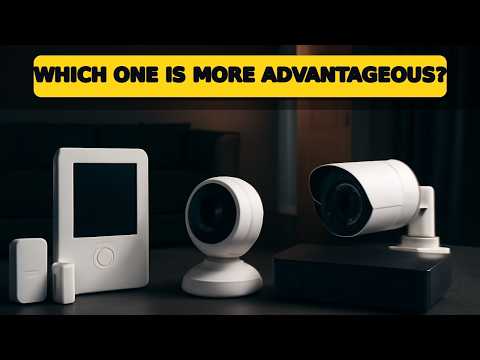
When it comes to protecting your home, you don’t need to break the bank. Affordable smart home security has transformed the way homeowners approach safety, offering powerful features once reserved for expensive professional setups. Today, budget-friendly devices deliver real-time alerts, HD video monitoring, and remote access without draining your wallet. Whether you’re a renter looking for a simple door sensor or a homeowner building a full-scale defense system, the current market offers solutions that balance cost with genuine functionality. This guide breaks down everything you need to know about setting up a cost-effective smart security ecosystem that actually works.
What Makes Smart Home Security Affordable in 2024
The landscape of budget home security has evolved dramatically. Manufacturers now compete aggressively on price while maintaining quality standards, driven by fierce market competition and advances in manufacturing. Several factors contribute to the accessibility of these systems today. Wireless protocols like Zigbee and Z-Wave have reduced installation costs significantly. Cloud storage alternatives and local storage options eliminate expensive monthly monitoring contracts. Additionally, the rise of open ecosystems means devices from different brands can communicate seamlessly, letting you mix and match components without vendor lock-in.
Here is what drives affordability in modern smart security gear:
- Subscription-free operation: Many brands now offer full functionality without mandatory recurring fees
- Modular design: Start small and expand gradually, spreading costs over time
- DIY installation: No professional setup charges, saving hundreds of dollars
- Open-source compatibility: Works with Alexa, Google Home, and Apple HomeKit without proprietary hubs
- Local storage microSD options: Avoid cloud subscription costs entirely
Best Budget Smart Home Security Devices to Consider

Smart Cameras Under $50
Video surveillance is the cornerstone of any home security setup, and you no longer need to spend hundreds for reliable footage. Brands like Wyze Cam and Blink Mini deliver 1080p HD video with night vision at price points that were unthinkable five years ago. These cameras connect via Wi-Fi, integrate with voice assistants, and offer two-way audio communication. For wider coverage, floodlight cameras from brands like Ring and Blink provide illumination alongside recording, deterring intruders before they even approach your property.
Affordable Smart Locks and Sensors
Door and window sensors form the backbone of perimeter security. Devices like the Aqara Door Sensor cost under $20 per unit and trigger instant smartphone notifications when breached. Smart locks from Yale and Schlage now offer Bluetooth and Wi-Fi models in the $100–$150 range, enabling keyless entry and remote lock/unlock capabilities. Pair these with motion-activated smart bulbs from Philips Hue or budget alternatives like Wyze Bulb to simulate occupancy when you are away.
Budget Security Hubs and Central Controllers
A central hub ties your security devices together into a unified system. The Amazon Echo Show doubles as a security display and voice command center. For dedicated hubs, the Hubitat Elevation and Samsung SmartThings gateway offer local processing that keeps your system running even during internet outages. These hubs typically cost between $50 and $150, making them one of the most cost-effective investments in your entire setup.
Comparison: Budget vs Premium Smart Security Systems
Understanding where your money goes matters when choosing between budget and premium options. The following comparison highlights key differences across popular systems.
| Feature | Budget Systems (Under $200) | Premium Systems ($300+) |
| Video Quality | 720p–1080p HD | 2K–4K Ultra HD |
| Monthly Cost | Free or $3–5/month | $10–$30/month |
| Installation | DIY, 10–20 minutes | Professional optional |
| Storage | Local microSD or free cloud | Cloud with extended history |
| Smart Integrations | Alexa, Google Assistant | Full ecosystem + Z-Wave Plus |
| Monitoring | Self-monitored alerts | Professional monitoring available |
| Expandability | Moderate | Extensive |
The truth is that most homeowners get 90% of the security benefit from budget systems. Premium tiers add nice-to-have features like facial recognition and professional monitoring, but for the vast majority of households, an affordable setup with smart cameras, door sensors, and a reliable hub provides genuine peace of mind.
How to Build an Affordable Smart Security Setup Step by Step
Creating a cost-effective home security system does not mean compromising on protection. Follow this structured approach to build a robust defense on a budget.
- Assess your vulnerabilities. Walk around your property and identify entry points — front door, back door, garage, ground-floor windows. Focus your investment on these areas first.
- Choose a central hub. Pick a platform that supports the devices you want. SmartThings and Hubitat offer broad compatibility, while Amazon Echo devices serve double duty as hubs and speakers.
- Install smart cameras at key points. Prioritize the front door and backyard entrance. A single well-placed camera with motion detection costs as little as $35.
- Add door and window sensors. These are the cheapest and most effective deterrents. A pack of four sensors typically costs under $25.
- Integrate smart lighting. Schedule lights to turn on at random intervals when you are away. This simple tactic significantly reduces burglary risk.
- Set up automations and alerts. Create routines that trigger camera recording when sensors activate and send push notifications to your phone instantly.
Expert Tips to Maximize Value
- Buy devices during major sales events like Black Friday, Prime Day, or back-to-school promotions to save 30–50%
- Use microSD cards for local storage instead of paying for cloud subscriptions
- Choose battery-operated sensors to avoid costly wiring installations
- Stick to one ecosystem (Zigbee, Z-Wave, or Wi-Fi) to reduce compatibility headaches
- Regularly update firmware to patch security vulnerabilities in your own devices
Common Mistakes When Choosing Cheap Smart Home Security
Affordability should never mean carelessness. Many people purchase the cheapest cameras and sensors without considering long-term reliability. Avoid these pitfalls:
- Ignoring Wi-Fi range limitations — cheap Wi-Fi cameras struggle with weak signals, leading to dropped recordings
- Overlooking data privacy policies — budget brands sometimes store footage on overseas servers with minimal encryption
- Buying proprietary-only devices that lock you into one brand’s expensive subscription
- Skipping two-factor authentication — an unsecured smart home device is worse than no device at all
- Neglecting power backup — a smart lock or camera without battery backup becomes useless during an outage
Future Trends in Budget Home Security Technology

The next wave of affordable smart security is already emerging. Matter protocol adoption is standardizing device compatibility across brands, making it easier and cheaper to build mixed ecosystems. Edge AI processing is moving directly onto cameras, enabling person detection and package alerts without cloud subscriptions. Mesh networking through Thread and Matter is reducing reliance on Wi-Fi, improving reliability while keeping hardware costs low. Expect battery life to improve significantly as chip manufacturers optimize for energy efficiency, and subscription models to continue fading as local processing becomes the norm.
Final Thoughts on Affordable Smart Home Security
Building a secure home does not require a six-figure investment. With today’s affordable smart home security options, a complete system covering your doors, windows, and key entry points can be assembled for well under $300. The key is strategic planning — identify what matters most, invest in reliable devices, and avoid unnecessary recurring costs. Start with the essentials, expand as your needs grow, and always prioritize security best practices like strong passwords and regular firmware updates. Your home’s safety is too important to leave to chance, and affordable technology has made it entirely possible to protect what matters most without financial strain.
Frequently Asked Questions

What is the cheapest smart home security system that actually works?
A basic setup featuring a Wyze Cam v3 ($35), a Wyze Sense hub ($25), and two door sensors ($10 each) provides functional coverage for under $80. This combination delivers real-time alerts, HD video recording, and entry monitoring without any monthly fees, making it one of the most budget-friendly options on the market today.
Are cheap smart home security cameras worth buying?
Yes, budget cameras from brands like Wyze, Blink, and TP-Link Tapo offer reliable 1080p video, night vision, and motion detection at a fraction of premium prices. The main trade-offs include limited cloud storage options and occasional connectivity issues in areas with weak Wi-Fi, but for most residential applications, they deliver excellent value.
Can I set up affordable DIY smart home security without technical skills?
Absolutely. Modern budget devices feature plug-and-play setup with intuitive smartphone apps. Most smart cameras, sensors, and locks require no wiring and configure within 10–15 minutes. Brands like Ring, Wyze, and Aqara design their products specifically for non-technical users with guided app walkthroughs.
Do affordable smart locks provide adequate security?
Budget smart locks from Yale and Schlage meet industry-standard encryption and offer features like auto-lock, temporary access codes, and activity logs. While they may lack premium features like biometric scanning, they provide robust protection against unauthorized entry when paired with strong passwords and two-factor authentication on the controlling app.
What monthly costs should I expect with a budget smart security system?
Many affordable systems operate with zero monthly fees when using local microSD storage and self-monitored alerts. If you prefer cloud storage, expect to pay $3–$6 per month for a single camera, compared to $10–$30 per month for professional monitoring plans from premium providers like SimpliSafe or ADT.