Social media has evolved far beyond simple networking tools into a sprawling digital ecosystem that shapes how billions of people communicate, discover brands, consume content, and even make purchasing decisions. Whether you are a marketer building a growth strategy, a business owner exploring new channels, or someone who simply wants to understand the online landscape more deeply, knowing the different types of social media is essential. Each category serves a distinct purpose, attracts a unique audience, and demands a different approach. In this guide, we will walk through every major social media category in detail — from social networking giants to niche discussion forums — and give you practical insights you can actually use.
Why Understanding Social Media Categories Matters
Before diving into the types, let us address the “why.” The social media universe is not a monolith. Treating Instagram the same way you treat LinkedIn or Reddit is like using a billboard strategy for a conversation. Each platform type has its own algorithms, user intent, content formats, and engagement norms. When you categorize platforms correctly, you can allocate resources smarter, craft messaging that resonates, and measure results with far more precision. Understanding the categories also helps you spot emerging platforms early — because most new social apps fit neatly into an existing type before evolving into something unique.
Social Networking Platforms

Social networking is the foundational category of social media. These platforms are built around personal profiles, connections, and the sharing of updates within a trusted network. The core function is relationship management — staying connected with people you already know or expanding your circle through mutual contacts.

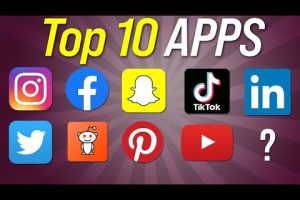
The most well-known examples include Facebook, which remains the largest social networking site globally with over three billion monthly active users. LinkedIn operates as a professional networking layer where career development, industry discussions, and B2B lead generation take center stage. Nextdoor serves hyperlocal communities, connecting neighbors around local events, recommendations, and safety updates.
If you are just getting started with social media marketing, social networking platforms should be your first stop. They offer robust targeting tools, mature advertising ecosystems, and the deepest user data for personalization.
Key Features of Social Networking Sites
- User profile pages with personal or professional information
- Friend and connection systems that define the audience
- News feeds driven by algorithmic and chronological sorting
- Groups and pages for community and brand engagement
- Event creation and messaging features
Microblogging Platforms
Microblogging blends short-form writing with social sharing. Unlike traditional blogs that require lengthy posts, microblogging encourages quick, frequent updates — think of them as digital watercooler conversations at scale. The content is typically concise, timely, and conversation-driven.
X (formerly Twitter) remains the flagship microblogging platform, famous for real-time commentary, breaking news, and public discourse. Threads, launched by Meta, attempts to position itself as a conversational alternative with threaded discussions. Tumblr occupies a creative niche where reblogging and multimedia micro-posts fuel a highly engaged arts and fandom community.
Microblogging is ideal for brands that want to stay relevant in fast-moving conversations. It works especially well for news organizations, thought leaders, and companies that want to humanize their voice with quick, authentic updates.
When to Use Microblogging vs. Other Formats
If your goal is real-time engagement and brand visibility, microblogging platforms deliver unmatched speed. However, if you need depth or long-form storytelling, you will need to look at blogging platforms or video-based networks instead.
Visual content dominates modern social media consumption, and photo-sharing platforms are built entirely around imagery and aesthetics. These networks prioritize visual storytelling, where the image or graphic carries the message more powerfully than any caption could.
Instagram leads this category with over two billion users, offering feed posts, stories, reels, and collaborative features. Pinterest functions as a visual discovery engine where users save and organize ideas through pinboards — making it a powerhouse for e-commerce, home decor, fashion, and recipe content. Snapchat focuses on ephemeral visual messaging, appealing strongly to younger demographics who value disappearing content.
For intermediate marketers, visual platforms demand a shift in thinking. You are no longer just writing copy; you are curating an experience. High-quality imagery, consistent branding, and an understanding of visual trends are non-negotiable on these platforms.
Expert Tip for Visual Social Media
Consistency in visual identity — colors, fonts, filters, and tone — builds brand recognition faster than any single viral post. Use a cohesive aesthetic across all visual platforms to create a recognizable brand presence.
Video Sharing and Streaming Platforms
Video has become the king of social media content, and video-sharing platforms are among the fastest-growing types of social media in the world. These platforms allow users to upload, share, and stream video content ranging from short clips to long-form documentaries.
YouTube is the undisputed leader with over two billion monthly logged-in users. It serves as both a search engine and a social platform, where tutorials, vlogs, reviews, and entertainment content thrive. TikTok revolutionized short-form video with its algorithm-driven “For You” page, making it possible for anyone to go viral regardless of follower count. Vimeo caters to a more professional, creative audience, offering high-quality hosting without the algorithmic noise of other platforms.
Advanced social media strategies increasingly lean on video-first approaches. Live streaming, short-form clips, and interactive video features are reshaping how brands connect with audiences. If you want to build deep trust and demonstrate expertise, video is your strongest medium.
Short-Form vs. Long-Form Video Content
Short-form video — typically under 60 seconds — excels at awareness, engagement, and virality. Platforms like TikTok and Instagram Reels thrive here. Long-form video — anything over 10 minutes — works better for education, storytelling, and building authority. YouTube is the primary home for long-form content, where subscribers return for in-depth value.
| Platform | Primary Format | Best For | Audience Demographic |
| YouTube | Long-form video | Education, reviews, entertainment | All ages, global reach |
| TikTok | Short-form vertical video | Trends, awareness, entertainment | Gen Z and Millennials |
| Instagram Reels | Short-form video | Brand awareness, product showcases | 18–44 years old |
| Vimeo | Professional video hosting | Creative portfolios, corporate content | Professionals and creatives |
Discussion and Forum-Based Communities
Forum-based social media is the oldest digital category that still thrives today. These platforms are built around topic-specific discussions where users post questions, share knowledge, and debate ideas in threaded conversations. Unlike feed-based platforms, forums prioritize depth and long-form exchange over brevity.
Reddit is the largest example, organized into thousands of subreddits dedicated to every imaginable topic — from technology and finance to hobbies and support communities. Quora functions as a question-and-answer network where experts and enthusiasts provide detailed responses. Discord has evolved into a community hub where real-time chat, voice channels, and organized servers create deeply engaged niche communities.
Forum-based platforms are incredibly valuable for brands that want to establish authority and build genuine community trust. The audience here is typically looking for authentic answers, not polished marketing messages.
- Identify relevant forums or subreddits in your industry
- Provide genuine value by answering questions without pitching
- Build credibility over time through consistent, helpful contributions
- Once trusted, introduce your brand or product naturally
- Monitor conversations to understand customer pain points and trends
Comparison of Social Media Types
Understanding how each type differs at a glance can help you prioritize your efforts. The table below summarizes the core characteristics of each social media category.
| Social Media Type | Primary Content Format | User Intent | Top Examples |
| Social Networking | Text updates, photos, links | Connection and relationship building | Facebook, LinkedIn, Nextdoor |
| Microblogging | Short text posts, threads | Real-time conversation and news | X (Twitter), Threads, Tumblr |
| Photo Sharing | Images, stories, filters | Aesthetic expression and discovery | Instagram, Pinterest, Snapchat |
| Video Sharing | Short and long-form video | Entertainment, education, discovery | YouTube, TikTok, Vimeo |
| Forum Communities | Threaded discussions, Q&A | Knowledge sharing and support | Reddit, Quora, Discord |
Practical Recommendations for Choosing the Right Platforms
Selecting the right social media types for your goals depends on several factors: your target audience, your content strengths, your budget, and your conversion objectives. Here is a framework to guide your decision.
Start with audience research. Identify where your ideal customers spend their time online. A B2B software company will find far more qualified leads on LinkedIn than on TikTok. A fashion brand will see better ROI on Instagram and Pinterest than on Reddit. Match the platform type to where your audience already engages.
Align content format with your capabilities. If you have a strong design team, visual platforms will be a natural fit. If your team excels at writing, microblogging and forums may yield better results. If you have video production resources, invest heavily in YouTube and TikTok strategies.
Think in phases. Beginners should start with one or two platforms and master them before expanding. Intermediate users can diversify across complementary types — for example, pairing Instagram for brand awareness with a YouTube channel for deeper educational content. Advanced marketers build cross-platform funnels where each type of social media plays a specific role in the customer journey.
Conclusion
The landscape of social media types is diverse, dynamic, and endlessly evolving. From the relationship-driven networks like Facebook and LinkedIn to the fast-paced world of microblogging on X, from visually stunning platforms like Instagram and Pinterest to the community depth of Reddit and Discord, each type serves a unique role in how people connect and consume content online. The key to success is not being everywhere — it is being strategic. Choose the platforms that align with your audience, your strengths, and your goals. Invest the time to understand each platform’s culture, algorithms, and best practices. When you approach social media with this level of intentionality, you transform from a casual poster into a strategic digital communicator who drives real results.
FAQs
The main types include social networking sites like Facebook and LinkedIn, microblogging platforms like X and Threads, visual and photo-sharing networks like Instagram and Pinterest, video sharing platforms like YouTube and TikTok, and discussion forums like Reddit and Quora. Each type serves a different purpose and attracts a distinct audience based on content format and user intent.
For most small businesses, social networking platforms like Facebook and Instagram offer the best combination of reach, targeting tools, and ease of use. However, the right choice depends on your industry. A visual product business should prioritize Instagram and Pinterest, while a B2B service provider will benefit most from LinkedIn.
Microblogging platforms focus on short, frequent text-based updates designed for quick consumption and real-time conversation. Social networking platforms support longer posts, richer media, and deeper connection management through profiles and groups. Microblogging is faster and more public, while social networking tends to be more personal and relationship-focused.
Absolutely — and most successful brands do. The key is to tailor your content strategy for each platform type rather than cross-posting identical content everywhere. A video on YouTube can be repurposed into short clips for TikTok, a quote graphic for Instagram, and a discussion prompt for Reddit, each optimized for that specific platform’s audience and format.
Short-form video platforms continue to experience the fastest growth, with TikTok leading the category and Instagram Reels and YouTube Shorts following closely. Live streaming and AI-powered social features are also emerging as significant trends that are reshaping how users interact across all social media types.