When you scroll through your feed, watch a viral video, or join a trending conversation online, you are participating in one of the most significant cultural shifts of the modern era. The question of is social media good for society has sparked intense debates among researchers, policymakers, educators, and everyday users alike. With over five billion people actively using platforms like Instagram, TikTok, X (formerly Twitter), Facebook, and LinkedIn, the influence of social networking is undeniable. But that influence cuts in multiple directions — some deeply empowering, others genuinely alarming. This article breaks down the full picture, exploring both the benefits of social media and the real risks it carries, so you can form your own informed perspective on whether these digital platforms are ultimately helping or hurting our collective future.
Understanding the Role of Social Media in Modern Society
Before diving into the debate, it helps to understand exactly how social networking sites have reshaped the way humans connect, share information, and make decisions. Social media platforms are not just digital gathering spaces; they have become core infrastructure for communication, commerce, politics, education, and entertainment. From grassroots activism movements like #MeToo and #BlackLivesMatter to small businesses building their brand through Instagram Reels, the reach is staggering. But the question remains — does this reach translate into genuine societal benefit, or are we paying a hidden cost?
The answer, as with most complex topics, is nuanced. Social media’s impact on society depends heavily on how platforms are designed, how individuals engage with them, and what regulatory frameworks exist to protect users.
The Positive Side: How Social Media Benefits Society
It would be unfair to dismiss social platforms as purely harmful. There are compelling reasons why billions of people rely on them daily, and many of those reasons point to genuine societal progress.
1. Connection and Community Building
One of the most powerful benefits of social media is its ability to connect people across geographical boundaries. Whether it is a family staying in touch through WhatsApp, expatriate communities finding each other on Facebook Groups, or niche hobbyists sharing expertise on Reddit, these platforms create meaningful bonds that would otherwise be impossible.
2. Amplifying Voices and Driving Social Change
Social media has democratized storytelling. Marginalized communities, activists, and ordinary citizens can now bypass traditional gatekeepers — newspapers, television networks, and public forums — to share their perspectives directly with the world. This has led to:
- Rapid mobilization for humanitarian causes
- Greater visibility for underrepresented groups
- Real-time accountability for public figures and institutions
- Crowdfunding campaigns that raise millions for social good
3. Education and Knowledge Sharing
Platforms like YouTube, TikTok, and LinkedIn have become informal classrooms. Experts share free tutorials, professors post lectures, and professionals offer career advice. Social media education is no longer a niche concept — it is a reality for millions of learners worldwide who lack access to traditional educational resources.
4. Economic Opportunities and Entrepreneurship
The creator economy has exploded thanks to social networking. Freelancers, artists, entrepreneurs, and small business owners use platforms to reach global audiences without needing massive advertising budgets. Instagram shops, TikTok Shop, and YouTube monetization have created entirely new career paths that did not exist a decade ago.
The Negative Side: How Social Media Harms Society
Now for the uncomfortable truths. While the advantages of social media are real, so are the serious concerns that researchers, psychologists, and advocacy groups have raised over the past decade.
1. Mental Health and Wellbeing Concerns
Multiple studies have linked heavy social media use to increased rates of anxiety, depression, loneliness, and poor body image, particularly among teenagers and young adults. The constant comparison culture — where curated highlight reels create unrealistic standards of beauty, success, and happiness — takes a measurable toll on psychological wellbeing.
2. Misinformation and Polarization
False information spreads faster than truth on social platforms. Algorithms are designed to maximize engagement, and nothing drives clicks like outrage, fear, or controversy. This has contributed to:
- Political polarization and echo chambers
- The spread of health misinformation during global crises
- Erosion of trust in journalism and scientific institutions
- Manipulation of public opinion through coordinated campaigns
3. Privacy Erosion and Data Exploitation
Users often trade their personal data for free access to platforms. The Cambridge Analytica scandal, ongoing concerns about data harvesting, and opaque algorithmic surveillance have raised serious questions about digital privacy and informed consent.
4. Cyberbullying and Online Harassment
The anonymity and distance provided by social platforms can embolden harmful behavior. Cyberbullying affects people of all ages, but young users are disproportionately impacted, with documented cases leading to severe emotional distress and tragic outcomes.
Social Media’s Impact on Mental Health: A Deeper Look
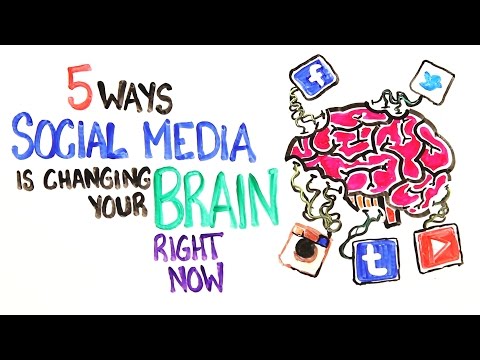
The relationship between social media and mental health is one of the most researched topics in modern psychology. Internal studies from major platforms themselves have confirmed troubling patterns. Meta’s own leaked research in 2021 showed that Instagram worsened body image issues for one in three teenage girls. Meanwhile, studies from institutions like the Royal Society for Public Health have ranked social media as more addictive than alcohol and tobacco for younger demographics.

However, context matters. Not all social media use is equal. Passive scrolling — mindlessly consuming content without interacting — tends to worsen mood. Active engagement — commenting, messaging friends, creating content — can actually boost feelings of connection and belonging. The distinction between healthy vs. unhealthy social media habits is a critical nuance that often gets lost in broad headlines.
Is Social Media Good for Business and the Economy?
From an economic standpoint, the benefits of social media for commerce are substantial. Small businesses can compete with large corporations for visibility. Local shops use Instagram to showcase products. Service providers build entire client bases through LinkedIn outreach. According to recent economic analyses, social media contributes billions of dollars to global GDP through advertising, e-commerce integration, and the creator economy.
That said, the economic benefits come with trade-offs. The attention economy rewards addictive design patterns, and the gig economy built around social platforms often lacks traditional labor protections. Social media economics is a double-edged sword — highly productive for some, exploitative for others.
Benefits vs. Risks: A Comparison Table
| Aspect | Benefits | Risks |
| Mental Health | Community support, reduced isolation for marginalized groups | Anxiety, depression, comparison culture, addictive design |
| Communication | Instant global connectivity, family bonds across distances | Shallow interactions, reduced face-to-face communication skills |
| Information Access | Free education, diverse perspectives, real-time news | Misinformation, echo chambers, algorithmic bias |
| Economy | Entrepreneurship, creator economy, small business growth | Data exploitation, gig economy insecurity, market saturation |
| Democracy & Society | Civic engagement, social movements, accountability | Polarization, foreign interference, radicalization pipelines |
| Privacy | Users can control sharing and visibility settings | Data harvesting, surveillance, identity theft risks |
Expert Tips for a Healthier Social Media Experience
If you are concerned about your own usage patterns, here are practical, research-backed strategies to enjoy the benefits while minimizing harm:
- Set intentional time limits. Use built-in screen time tools to cap daily usage and avoid mindless doomscrolling.
- Curate your feed actively. Unfollow accounts that trigger negative emotions and follow creators who add genuine value to your life.
- Practice active over passive use. Engage in meaningful conversations rather than passively consuming content.
- Take regular digital detoxes. Designate device-free hours or days to reset your relationship with these platforms.
- Teach digital literacy early. Parents and educators should help young people understand how algorithms work and how to critically evaluate online content.
- Advocate for platform accountability. Support legislation and movements that push for transparent algorithms, data privacy protections, and ethical design standards.
The Verdict: Is Social Media Good for Society?
The honest answer is that social media is neither inherently good nor inherently bad for society — it is a powerful tool whose impact depends entirely on how it is built, regulated, and used. The platforms that connect families, amplify marginalized voices, and create economic opportunity are the same ones that spread misinformation, erode mental health, and exploit user data. What matters most now is whether society — through informed users, responsible platform design, and effective regulation — can tip the balance toward the positive.
Understanding how social media affects society requires ongoing vigilance, research, and public dialogue. The conversation is not a settled one, and it should not be. Every new feature, algorithm update, and policy change reshapes the digital landscape in ways that affect billions of lives.
Frequently Asked Questions (FAQs)
The impact varies by individual, but research consistently shows that heavy social media use correlates with higher rates of anxiety and depression in teenagers, especially girls. However, moderate, intentional use — particularly for creative expression and maintaining friendships — can be beneficial. Parental involvement and digital literacy education play crucial roles in shaping healthier outcomes for young users.
Yes, in certain contexts. Connecting with supportive communities, finding representation for marginalized identities, and accessing mental health resources through social platforms can provide genuine emotional support. The key is distinguishing between active, meaningful engagement and passive, comparative consumption, which tends to worsen mental health outcomes.
Social media has both democratized political participation and introduced new vulnerabilities. On the positive side, it enables grassroots organizing and gives citizens direct access to political leaders. On the negative side, it facilitates the rapid spread of misinformation, foreign election interference, and politically motivated polarization that can undermine democratic institutions.
Algorithms determine what content users see, and most are optimized for engagement rather than well-being. This means controversial, sensational, and emotionally charged content is prioritized, which can amplify misinformation, reinforce biases, and create toxic feedback loops. Algorithm transparency and reform are central to ongoing debates about platform accountability.
It is possible to minimize negative effects through intentional use. Setting time boundaries, curating your feed, engaging actively rather than passively, and taking regular breaks can significantly reduce the risks. Think of social media as a tool — like any tool, the outcome depends on how mindfully you use it.
Experts recommend several key reforms: stronger data privacy laws, transparent algorithmic processes, age-appropriate design standards, reduced emphasis on engagement metrics, and greater user control over content curation. Regulatory frameworks like the EU’s Digital Services Act represent meaningful steps, but global coordination and corporate accountability remain ongoing challenges that will shape the future of social media and society for years to come.