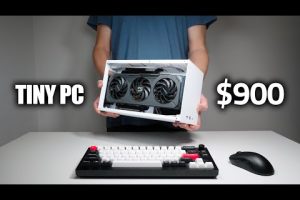
Finding the best PC for gaming is one of the most consequential decisions you’ll make as a player. Whether you’re chasing ray-traced visuals in Cyberpunk 2077, competing in Valorant at 360Hz, or simply wanting a machine that handles modern AAA titles without breaking a sweat, the right desktop can mean the difference between frustration and pure immersion. The gaming PC market in 2024 is bursting with options—from budget-friendly prebuilt systems to enthusiast-grade custom rigs—and sorting through the noise takes real expertise. This guide cuts through the clutter with deeply researched recommendations, real-world performance insights, and practical buying advice designed for beginners and seasoned builders alike.
What Makes a PC the Best for Gaming?
Before diving into specific models, it’s essential to understand what separates a mediocre gaming desktop from a truly high-performance gaming computer. Not all specs are created equal, and certain components carry far more weight than others when it comes to frame rates, load times, and visual fidelity.
The GPU: King of Gaming Performance
Your graphics card is the single most important component for gaming. The GPU handles every polygon, texture, lighting effect, and physics simulation you see on screen. Nvidia’s GeForce RTX 40-series and AMD’s Radeon RX 7000-series cards dominate the current landscape. If you want 1440p gaming at high settings, an RTX 4070 or RX 7800 XT is your sweet spot. For unfiltered 4K, you’ll need an RTX 4080 or better. Ray tracing, DLSS, and FSR are also critical features that elevate visual quality without punishing your frame rates.
CPU, RAM, and Storage: The Supporting Cast
While the GPU does the heavy lifting, your processor, memory, and storage play vital supporting roles. The latest Intel Core 14th-gen and AMD Ryzen 7000-series processors offer excellent gaming performance. Aim for at least 16GB of DDR5 RAM for modern titles—32GB is increasingly recommended for future-proofing. An NVMe SSD is non-negotiable; loading times on a traditional HDD in open-world games are painfully slow by comparison. A 1TB NVMe drive should be your baseline.
Best Budget Gaming PCs for Beginners
If you’re new to PC gaming or working with a tighter budget, you don’t need to spend $2,000 to enjoy excellent experiences. The best budget gaming PCs focus on smart component balance rather than raw power. These systems comfortably handle 1080p gaming at high settings across most titles and can be upgraded later as your needs grow.
- HP OMEN 25L: A reliable prebuilt with an RTX 4060, Ryzen 5 7600, and 16GB DDR5 RAM. Excellent entry point for new gamers.
- ASUS TUF Gaming GT12: Solid build quality, upgradeable components, and strong 1080p performance with an RTX 4060 Ti.
- Custom Build (DIY): Building your own with a Ryzen 5 5600 and RTX 4060 can save you 20-30% compared to prebuilt alternatives while delivering identical performance.
Budget rigs shine when you prioritize an SSD upgrade path and a PSU with headroom for future GPU swaps. These small investments pay dividends over time.
Best Mid-Range Gaming PCs for Enthusiasts
The mid-range gaming desktop segment is arguably the most competitive category. For roughly $1,000 to $1,500, you can assemble or purchase systems that deliver 1440p gaming at smooth frame rates—a resolution favored by serious enthusiasts for its balance of visual quality and performance demand.
Top Picks
The Lenovo Legion Tower 5 stands out with its Ryzen 7 7800X3D processor—currently the fastest gaming CPU available—paired with an RTX 4070. The MSI Aegis RS offers similar value with expandable storage and clean cable management. For prebuilt fans, the CyberPowerPC Gamer Xtreme frequently offers competitive pricing with RTX 4070 configurations that punch well above their price class.
Key features to look for in this tier include:
- At least 16GB DDR5 RAM (ideally 32GB)
- An NVMe SSD of 1TB or more
- A quality PSU from a reputable brand (80+ Gold rated)
- Good airflow and thermals for sustained gaming loads

Best High-End Gaming PCs for Hardcore Gamers
For players who demand 4K gaming, maximum refresh rates, and uncompromised visual fidelity, the top-tier enthusiast gaming PCs are built around flagship hardware. These machines command $2,000+ but deliver experiences that genuinely rival consoles on a perceptual level—often surpassing them in responsiveness and graphical quality.
The Alienware Aurora R16 remains a premium choice with customizable RTX 4090 configurations, elegant design, and excellent customer support. The Maingear MEGA offers extreme customization with hand-selected components. For raw performance per dollar, a custom-built rig with an RTX 4090, Ryzen 9 7950X, 64GB DDR5, and a 2TB NVMe drive consistently outperforms prebuilt alternatives at equivalent price points.
Comparison Table: Top Gaming PCs at a Glance
| PC Model | GPU | CPU | RAM | Price Range | Best For |
| HP OMEN 25L | RTX 4060 | Ryzen 5 7600 | 16GB DDR5 | $900 – $1,100 | 1080p Budget |
| Lenovo Legion Tower 5 | RTX 4070 | Ryzen 7 7800X3D | 16-32GB DDR5 | $1,200 – $1,600 | 1440p Enthusiast |
| MSI Aegis RS | RTX 4070 Ti | Core i7 14700F | 32GB DDR5 | $1,400 – $1,800 | 1440p High Refresh |
| Alienware Aurora R16 | RTX 4090 | Core i9 14900KF | 32-64GB DDR5 | $2,500+ | 4K Hardcore |
Expert Tips for Choosing the Right Gaming PC
Selecting the ideal gaming PC for your needs goes beyond chasing the highest specs. Here are professional insights that most guides overlook:
- Match your monitor first. If your display is 1080p 144Hz, buying an RTX 4090 wastes money. Choose hardware that aligns with your actual display resolution and refresh rate.
- Don’t underestimate the PSU. A cheap or undersized power supply damages components and causes instability. Always use at least a 650W unit for mid-range builds and 850W+ for high-end systems.
- Thermals matter more than you think. A well-cooled system sustains higher clock speeds for longer. Look for cases with strong airflow, quality thermal paste application, and adequate fan configurations.
- Consider upgrade paths. The best budget gaming PC today becomes the best mid-range PC tomorrow if it has room for RAM upgrades, additional storage, and a future GPU swap.
- Warranty and support count. Prebuilt systems from brands like Dell, Lenovo, and MSI offer warranties that DIY builds simply can’t match. Factor this into your decision if you value peace of mind.
Frequently Asked Questions (FAQs)
What is the best prebuilt gaming PC under $1,000 in 2024?
The HP OMEN 25L and ASUS TUF Gaming GT12 are consistently rated as the best prebuilt gaming desktops under $1,000. Both offer solid 1080p gaming with current-gen GPUs and upgrade-friendly designs. If you’re comfortable with assembly, a DIY build using an RTX 4060 and Ryzen 5 7600 delivers superior value at this price point.
Is it better to build a gaming PC or buy a prebuilt one?
Building a custom gaming PC generally saves money and yields better performance per dollar since you control every component selection. However, prebuilt systems from reputable manufacturers offer warranties, professional assembly, and testing that reduce troubleshooting. If you have the time and willingness to learn, building your own is usually the superior choice for experienced users.
What PC specs do I need for 1440p 144Hz gaming?
To game smoothly at 1440p with 144Hz in competitive titles, you’ll need at minimum an RTX 4070 or RX 7800 XT GPU, a modern six- or eight-core processor like the Ryzen 7 7800X3D or Intel Core i7 14700F, and 16GB of DDR5 RAM. Pair this with a high-quality monitor and you’ll have an excellent setup for both esports and AAA gaming.
How long will a high-end gaming PC last before needing an upgrade?

A well-built high-performance gaming computer with a current-generation GPU and processor typically remains viable for 4 to 6 years at the top tier. You may need to swap the GPU sooner—every 3 to 4 years—if you chase the latest visual technologies—but the CPU and platform can often last longer, especially on the AM5 or LGA1700 sockets with strong lifecycle support.

Are gaming laptops better than gaming desktops for performance?
No. Gaming desktops consistently outperform laptops at similar price points due to superior thermals, more powerful components, and better cooling solutions. A desktop GPU rated equivalently to a laptop version will deliver 15-30% higher performance in real-world benchmarks. Laptops only win when portability is an absolute requirement.
What brands make the most reliable gaming PCs?
Lenovo Legion, Dell Alienware, MSI, and HP OMEN are widely regarded as the most reliable prebuilt gaming PC brands, backed by solid warranties and consistent build quality. For custom builds, sourcing components from brands like ASUS, Corsair, Samsung, and EVGA further ensures long-term reliability and support.
Final Verdict
Choosing the best gaming PC in 2024 ultimately comes down to understanding your gaming habits, display setup, and budget realities. Beginners should gravitate toward affordable prebuilt systems with clear upgrade paths. Enthusiasts will find the best value in mid-range configurations centered on the Ryzen 7 7800X3D or RTX 4070 family. Hardcore gamers pursuing visual perfection should invest in flagship hardware with robust cooling and premium component selections. No matter your category, the gaming desktop market has never offered more compelling options—and the best part is that smart buying decisions today can keep your rig competitive for years to come.