


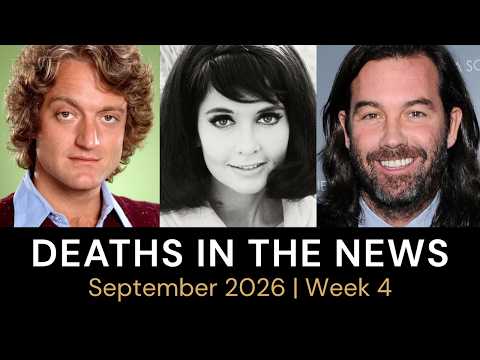
Celebrity in news has become one of the most searched, shared, and debated topics across digital platforms worldwide. Whether it is a breaking scandal, a red carpet appearance, or a humanitarian effort, stories about public figures consistently capture massive audiences. But what makes celebrity news so compelling, and why does it continue to dominate headlines in an era of rapidly shifting media landscapes? This deep dive explores the evolution, psychology, business dynamics, and cultural impact of celebrity news coverage — offering actionable insights for readers, content creators, and media professionals alike. From the early days of gossip columns to the TikTok-driven breaking news cycle, understanding how celebrity stories shape public discourse is more important than ever.
The Evolution of Celebrity News in Modern Media
The way audiences consume celebrity in news has transformed dramatically over the past several decades. What once relied on print tabloids and evening television bulletins now lives inside algorithm-driven feeds, push notifications, and short-form video platforms. Understanding this evolution helps explain why celebrity reporting feels so inescapable today.
From Print Tabloids to Digital-First Coverage
In the 1980s and 1990s, publications like National Enquirer and Us Weekly set the standard for celebrity news. These outlets thrived on exclusive photos, unnamed sources, and sensationalized headlines. The digital revolution of the 2000s shifted power to websites like TMZ and Perez Hilton, which prioritized speed and immediacy. Today, platforms like Instagram, X (formerly Twitter), and TikTok have decentralized celebrity news entirely — meaning the public often learns about breaking stories before traditional outlets even publish them.
How Social Media Changed Celebrity Reporting
Social media created a direct line between celebrities and their audiences, bypassing editors and journalists. Key shifts include:

- Real-time updates: Celebrities post personal moments instantly, making traditional news cycles feel slower by comparison.
- Fan-driven narratives: Audiences now shape which celebrity stories go viral through shares, comments, and hashtag campaigns.
- Controlled storytelling: Many public figures use Instagram Stories and YouTube channels to manage their own narratives, reducing reliance on paparazzi and reporters.
- Algorithm amplification: Platforms prioritize engagement, meaning emotionally charged celebrity content receives disproportionate visibility.
Why Celebrity Stories Dominate Headlines
The dominance of celebrity in news is not accidental. Multiple psychological, economic, and structural factors converge to keep public figures at the center of media attention. Let us break down the core reasons behind this phenomenon.
Psychological Drivers Behind Celebrity Fascination
Human beings are naturally drawn to stories about other people, especially those who represent success, beauty, or extraordinary talent. Research in social psychology identifies several drivers:
- Parasocial relationships: Fans develop one-sided emotional connections with celebrities, making them feel personally invested in their lives.
- Social comparison: Audiences measure their own lives against the curated highlights of public figures, which fuels both inspiration and envy.
- Moral curiosity: Scandals, controversies, and personal dramas satisfy a deep-seated need to understand the boundaries of acceptable behavior.
- Identity projection: Fans often use celebrity preferences — in fashion, music, or lifestyle — to express and reinforce their own identity.
Entertainment vs. Hard News Crossover
One of the most debated topics in modern journalism is the line between entertainment coverage and legitimate news. Celebrity in news frequently blurs this boundary. A public figure’s charitable work might appear alongside investigative reporting on systemic issues, lending credibility or controversy to both stories. Critics argue this dilution undermines serious journalism, while supporters contend that celebrity attention can amplify important causes to audiences who would otherwise ignore them.
| Category | Purpose | Audience Engagement | Criticism |
| Entertainment Headlines | Lifestyle, fashion, personal updates | High shareability and click-through | Superficial, sensationalized |
| Hard News Crossover | Philanthropy, activism, political influence | Drives awareness and donations | Can overshadow substantive reporting |
| Scandal Coverage | Conflict, controversy, breaking updates | Drives viral traffic and ad revenue | Often lacks verified sourcing |
| Cultural Commentary | Analysis of celebrity influence on society | Engages thoughtful, long-form readers | May feel overly academic or inaccessible |
Celebrity Culture and Public Perception
The relationship between celebrities and the public is deeply transactional yet emotionally complex. Audiences crave authenticity, yet they also expect a level of curated perfection that is inherently manufactured. This tension defines modern celebrity culture and directly influences how news outlets frame their stories.
When a celebrity faces a public crisis — whether a legal issue, a mental health revelation, or a controversial statement — the news coverage often follows predictable patterns. Outlets lead with the most dramatic angle, social media amplifies polarized reactions, and publicists scramble to manage reputational damage. Understanding this cycle is essential for anyone consuming or producing celebrity news content today.
How Celebrity News Shapes Public Opinion
Celebrity in news does more than fill column inches — it actively shapes public discourse on issues ranging from politics to mental health. When a well-known figure speaks out about climate change, inequality, or health awareness, their platform can mobilize millions of people who might not engage with traditional advocacy channels.
However, this influence carries significant risks. Misinformation spreads faster when it involves familiar faces, and the “halo effect” can lead audiences to accept unverified claims simply because a trusted celebrity endorses them. Media literacy has never been more critical, and consumers must learn to distinguish between credible reporting and clickbait-driven narrative inflation.
The Business Behind Celebrity News Coverage
The economics of celebrity journalism are staggering. Digital advertising revenue, subscription models, and influencer partnerships all depend on consistent celebrity content. Outlets that cover celebrity in news effectively understand that these stories drive measurable traffic, which translates directly into advertising dollars and subscription renewals.
For publicists and talent agencies, media coverage is a currency. Positive celebrity news builds brand value, while negative coverage can derail careers overnight. This symbiotic relationship between the entertainment industry and news organizations creates a feedback loop where scandal, glamour, and controversy become perpetual content engines.
Whether you are a casual reader or a media professional, consuming celebrity news critically matters. Here are practical recommendations to stay informed without falling into manipulation traps:
- Verify sources before sharing: Check whether the story originates from a reputable outlet or an anonymous blog.
- Cross-reference multiple outlets: If only one source is reporting a claim, treat it with skepticism.
- Separate entertainment from advocacy: Appreciate celebrity activism without assuming the person is an expert on the subject.
- Set consumption limits: Constant exposure to celebrity drama can increase anxiety and distort perceptions of normal life.
- Support quality journalism: Prioritize outlets that invest in fact-checking and ethical reporting standards over those relying on sensationalism.
Expert tip: When a celebrity story feels overwhelmingly emotional, pause before reacting. The most viral moments are often designed to provoke outrage, and taking even ten minutes to review additional sources can prevent you from amplifying misinformation.
FAQs About Celebrity in News
What is the difference between celebrity news and entertainment journalism?
Celebrity news typically focuses on the personal lives, scandals, and breaking updates involving public figures, while entertainment journalism encompasses broader coverage of the film, music, television, and arts industries. Celebrity news tends to be more reactive and personality-driven, whereas entertainment journalism includes reviews, industry analysis, and cultural commentary that goes beyond individual public figures.
Why do celebrity stories get more clicks than political or economic news?
Celebrity stories tap into emotional engagement, familiarity, and social currency. Readers feel a personal connection to public figures they follow, making celebrity content more shareable. Additionally, algorithms on social media platforms prioritize high-engagement content, which means celebrity stories — often designed to provoke strong reactions — receive amplified distribution compared to complex policy reporting.
How has the definition of a “celebrity” changed in the news industry?
The definition has expanded significantly. Today, influencers, content creators, athletes, and even viral social media users can become the subject of news coverage without traditional fame credentials. This shift has blurred the line between professional journalism and content aggregation, raising questions about editorial standards and the ethical responsibilities of outlets that cover these figures.
What role do publicists play in managing celebrity news coverage?
Publicists act as strategic communicators who shape how their clients appear in the news. They pitch stories to journalists, arrange exclusive interviews, manage crisis communications, and coordinate with digital teams to ensure favorable coverage trends. In the current media environment, a skilled publicist can influence which celebrity stories gain traction and which fade quickly.

Is celebrity news coverage harmful to mental health?
Research suggests that excessive consumption of celebrity in news can contribute to anxiety, unrealistic body image expectations, and social comparison behaviors, particularly among younger audiences. The curated perfection often presented through celebrity coverage creates an unattainable standard that can negatively affect self-esteem. Media experts recommend balanced consumption and critical awareness of how these stories are constructed for engagement rather than accuracy.
Conclusion
Celebrity in news is far more than a distraction — it is a cultural force that shapes how audiences perceive success, morality, and public life. From the evolution of reporting formats to the psychological mechanisms that keep us clicking, understanding this phenomenon empowers more thoughtful media consumption. As the industry continues to evolve with AI-generated content, decentralized platforms, and shifting audience expectations, one thing remains certain: the public’s fascination with the lives of notable figures is not going away anytime soon. The key is engaging with celebrity news critically, responsibly, and with a clear understanding of the forces driving every headline.