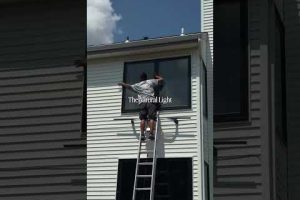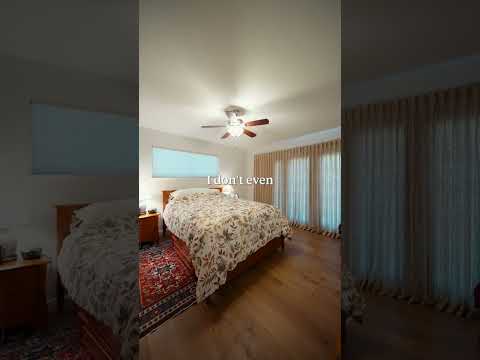
When your new blinds, shades, or custom drapery finally go up and the job looks flawless, one question often lingers in the back of your mind: do you tip window treatment installers? It is a simple query, but the answer is surprisingly nuanced. Unlike pizza delivery drivers or restaurant servers, window treatment professionals operate in a specialized home services niche where tipping customs vary widely based on the scope of the project, the quality of the installation, and regional expectations. This comprehensive guide breaks down everything you need to know about tipping window treatment professionals, from standard percentages and dollar amounts to situations where a tip might not be warranted at all. Whether you are dealing with a simple roller shade installation or a full-house custom drapery project, understanding the etiquette behind tipping your installer ensures you show appreciation appropriately while respecting professional boundaries.
Understanding Window Treatment Installation Services
Before diving into tipping etiquette, it helps to understand what window treatment installers actually do during a typical job. These professionals are not just hanging fabric or mounting brackets. A skilled installer measures windows precisely, accounts for obstructions like molding and out-of-square frames, selects appropriate hardware, and ensures every blind, shade, or shutter operates smoothly. Many installers also handle wiring for motorized systems and troubleshoot structural issues they discover on-site. This level of expertise means that when you tip window treatment professionals, you are recognizing a craft that goes far beyond basic labor.
The installation process typically involves several stages: initial consultation and measurement, ordering the custom products, a delivery phase, and the actual on-site installation. Some companies bundle installation into the total price, while others charge separately. When installation is billed independently, it signals a higher level of service that may influence your decision about whether and how much to tip.
Do You Tip Window Treatment Installers?
The short answer is yes, in most cases, but the longer answer depends on several factors. Tipping is not legally required, and no universal rule mandates it for home improvement installers the way it does for restaurant servers. However, tipping is a widely recognized gesture of gratitude for exceptional service, and window treatment installers who go above and beyond certainly deserve acknowledgment.
According to industry surveys and professional installer forums, the majority of homeowners who receive quality installation work choose to offer a tip. The question is not really whether you should tip but how much and under what circumstances.

What Industry Standards Say

Professional trade organizations and home services associations generally suggest that tipping installers falls between 10% and 20% of the installation labor cost when the service is billed separately. For bundled services where installation is included in the product price, a flat gratuity of $20 to $50 per installer is considered a generous and appropriate gesture. Some homeowners also tip based on the overall project cost, ranging from 5% to 10%, especially for large-scale installations involving multiple rooms.
Factors That Influence Tipping Decisions
Not every installation job is created equal. Several key factors should guide your decision about whether and how much to tip your window treatment installer:
- Project complexity: Simple window treatments like standard roller shades require less skill than custom-fit plantation shutters or motorized smart shades.
- Time spent on the job: A full-day installation involving multiple windows, precise measurements, and hardware adjustments warrants a more substantial tip than a quick one-hour job.
- Quality of workmanship: If the installer leaves no visible marks, ensures perfect alignment, and cleans up after themselves, a tip reflects that high standard.
- Additional services rendered: Did the installer move furniture, patch walls, or provide advice on operation and maintenance? These extras justify a larger gratuity.
- Professionalism and communication: Punctuality, clear communication, and respectful behavior throughout the project all factor into your tipping decision.
- Company policy: Some window treatment companies include gratuity in their pricing, while others leave it entirely to the customer. Always check before tipping.
Comparison Table: Tipping Window Treatment Installers vs. Other Home Service Professionals
| Service Professional | Typical Tip Range | Basis for Tipping |
| Window Treatment Installer | 10%–20% of labor or $20–$50 flat | Quality of installation, complexity, and added services |
| HVAC Technician | 10%–15% or $20–$50 flat | Repair quality, professionalism, and time spent |
| Plumber | 10%–20% or $20–$50 per technician | Emergency service, difficulty of repair |
| General Contractor | Usually not expected | Project is typically managed and billed differently |
| Painting Contractor | 10%–15% or $20–$40 per painter | Attention to detail, clean finish, and cleanup |
As the table illustrates, window treatment installers fall comfortably within the standard tipping range for skilled home service professionals. The key difference is that their work is often more specialized and requires a higher degree of precision compared to, say, general handyman services.
How Much to Tip Window Treatment Installers
Determining the right amount depends largely on the nature of the job. Here are some practical guidelines organized by scenario:
- Small jobs (one room, simple blinds or shades): Tip between $15 and $30 per installer, or 10% of the installation charge if billed separately.
- Medium projects (2–3 rooms, a mix of blinds and shades): Tip between $30 and $75 per installer, or 10%–15% of labor costs.
- Large-scale installations (full-house custom drapery, multiple floors): Tip $50–$100 per installer, or 15%–20% of the installation labor cost. Consider tipping more if the project spans multiple days.
- Motorized or smart home integration: Because these installations require electrical knowledge and programming, a tip of 15%–20% or $50–$75 is appropriate to recognize the additional expertise involved.
Different Service Scenarios
Consider a scenario where you hire a two-person crew for a whole-house window treatment project costing $5,000 in products and $1,500 in installation labor. A tip of $150–$300 total (split between the two installers) would be generous and appropriate. On the other hand, if a single installer hangs five standard blinds for a flat rate of $200, a $20–$40 tip is a fair and appreciated gesture.
When NOT to Tip Window Treatment Installers
There are situations where tipping may not be expected or appropriate. If the installation company explicitly states that gratuity is included in their pricing or is not accepted, respect that policy. Additionally, if the workmanship is clearly subpar, the installer arrived significantly late without communication, or the company’s customer service failed to address concerns, withholding a tip is entirely reasonable. Tipping is a reward for excellent service, not an obligation you feel pressured into under any circumstances.
Best Practices for Tipping Window Treatment Installers
When you decide to tip, do it thoughtfully. Here are some expert recommendations:
- Always tip in cash. This ensures the installer receives the full amount directly rather than the company potentially absorbing the gratuity.
- Hand the tip personally to each installer rather than leaving it on a counter or table.
- Accompany the tip with genuine verbal appreciation. A simple “thank you, the job was done beautifully” goes a long way.
- If you are unsure about the amount, ask the company’s office staff discreetly whether tipping is customary for their installers.
- For repeat customers or particularly impressive work, consider going above the standard range to build a strong relationship with your installer.
Long-Tail Keyword FAQs
1. Is it customary to tip blind installers when they replace old blinds?
Yes, it is customary to tip blind installers, especially if they remove old blinds, dispose of them properly, and install new ones cleanly. A tip of $20–$40 per installer is standard for replacement jobs.
2. Should I tip window shade installers if the company charges a flat installation fee?
Absolutely. Even when installation is included in a flat fee, tipping is a thoughtful way to acknowledge quality work. A flat gratuity of $20–$50 per installer is widely accepted in this scenario.
3. How much should you tip motorized window treatment installers?
Motorized installations require additional technical skill, so tipping $50–$75 per installer or 15%–20% of the installation labor cost is appropriate and reflects the specialized nature of the work.
4. Do you tip installers if the window treatment company provides a warranty on their installation work?
Yes, you can still tip even if the company offers a warranty. The warranty protects you after the job is done, but a tip recognizes the installer’s effort during the project itself.
5. Is it rude not to tip window treatment installers?
It is not considered rude if the installation quality is standard and the service meets expectations. However, tipping is a discretionary gesture that shows appreciation, and most professionals appreciate it when it is offered.
6. What is the best way to show appreciation to window treatment installers besides tipping?
Beyond a cash tip, leaving a positive online review, providing a referral to friends and family, or offering refreshments during the installation are excellent ways to show gratitude for a job well done.
Final Thoughts
The question of whether to tip window treatment installers ultimately comes down to your personal assessment of the service you received. In most cases, a thoughtful tip reflects genuine appreciation for skilled craftsmanship and professional service. By following the guidelines outlined in this article, you can make an informed decision that feels right for both you and the installer. Remember that a well-placed tip not only rewards excellent work but also builds a positive relationship that can pay dividends the next time you need window treatment services. Whether your project involves simple mini-blinds or an elaborate whole-home drapery installation, showing gratitude for the hard work and expertise your installers bring to the job is always a worthwhile gesture.