The impact of social media on society has become one of the most discussed and debated topics of the 21st century. From reshaping how we communicate and consume news to transforming entire industries and political landscapes, platforms like Facebook, Instagram, X (formerly Twitter), TikTok, and LinkedIn have fundamentally altered the fabric of human interaction. Whether you are a casual user scrolling through your feed or a business leveraging digital marketing strategies, understanding the far-reaching consequences of social media is essential. In this deep dive, we explore both the positive and negative effects of social media on society, examine real-world implications, and provide actionable insights for navigating the digital landscape responsibly.
The Impact of Social Media on Society: A Comprehensive Overview
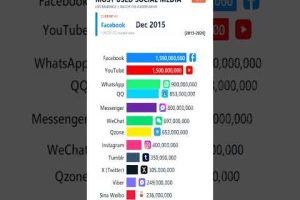
Social media platforms now boast billions of active users worldwide, making them more influential than many traditional institutions. The societal effects of social media touch virtually every aspect of modern life — from education and healthcare to politics and personal relationships. Understanding these effects requires looking beyond surface-level observations and examining the deeper psychological, economic, and cultural shifts that have emerged alongside the rise of digital networking.
At its core, social media has redefined what it means to be connected. The ability to share thoughts, images, and videos instantly with a global audience has empowered individuals in unprecedented ways. However, this same connectivity has introduced complex challenges that society is still grappling with today.
How Social Media Has Transformed Communication
Before platforms like Facebook and WhatsApp emerged, communication was largely limited to face-to-face conversations, phone calls, and written letters. Social media shattered those barriers. Now, people across continents can interact in real time, share experiences, and collaborate on projects without geographical constraints. This shift has been particularly profound for marginalized communities, who have found voices and solidarity through platforms that were previously inaccessible.
Positive Impacts of Social Media on Society
While the conversation around social media often leans toward its risks, it is equally important to acknowledge the genuine benefits that these platforms have delivered to communities around the world.
Economic Growth and Business Opportunities

Social media has democratized entrepreneurship. Small businesses and independent creators can now reach global audiences without the need for massive advertising budgets. Key economic advantages include:
- Low-cost marketing and brand building through organic content
- Direct access to customer feedback and market research
- New career paths in content creation, influencer marketing, and digital agency work
- Increased visibility for niche products and underserved markets
- Global e-commerce integration through platforms like Instagram Shopping and TikTok Shop
The rise of the creator economy alone has generated billions of dollars in revenue, proving that social platforms can be powerful engines for financial empowerment.
Social Awareness and Activism
Movements like #MeToo, Black Lives Matter, and climate activism gained massive traction through social media. These platforms allow ordinary citizens to amplify causes, organize protests, and hold institutions accountable. The viral nature of social sharing means that a single post can spark global conversations that might otherwise remain confined to local communities.
Education and Knowledge Sharing
Platforms like YouTube, TikTok, and even LinkedIn have become informal classrooms. Educational content — from coding tutorials to historical documentaries — reaches millions of learners who might not have access to formal education. The democratization of knowledge through social channels is one of the most underappreciated benefits of the digital age.
Negative Effects of Social Media on Society
Despite its many advantages, the darker side of social media cannot be ignored. The same features that make these platforms engaging also contribute to significant societal problems.
Mental Health Concerns
Research consistently links heavy social media use with increased rates of anxiety, depression, loneliness, and poor self-esteem — particularly among teenagers and young adults. The constant exposure to curated, idealized versions of other people’s lives creates unrealistic benchmarks for success and appearance. Cyberbullying remains a pervasive issue, with victims often experiencing psychological distress that extends far beyond the digital space.
Misinformation and Political Polarization
The speed at which false information spreads on social media far outpaces the rate at which fact-checkers can respond. During elections, public health crises, and natural disasters, misinformation can have life-threatening consequences. Algorithm-driven content curation creates echo chambers that reinforce existing beliefs and deepen political divides, making constructive dialogue increasingly difficult.
Privacy Erosion and Data Exploitation
Users routinely surrender vast amounts of personal data in exchange for free access to social platforms. This data is monetized through targeted advertising, raising serious ethical questions about consent, surveillance, and corporate responsibility. High-profile data breaches and controversies have only intensified public concern about digital privacy.
Social Media’s Influence on Relationships and Community
The way we build and maintain relationships has been fundamentally altered by social media. On one hand, platforms help people stay connected with friends and family across distances. On the other hand, studies suggest that excessive digital interaction can replace meaningful, face-to-face connections with superficial engagement metrics like likes and comments.
Online communities have flourished around shared interests — from rare medical conditions to hobbyist subcultures — providing belonging and support that individuals may not find in their immediate surroundings. Yet the same platforms can also foster toxic environments, harassment, and social comparison that erode genuine community bonds.
Comparison Table: Positive vs. Negative Social Media Effects
| Aspect | Positive Impact | Negative Impact |
| Communication | Instant global connectivity and real-time collaboration | Reduced face-to-face interaction and shallow engagement |
| Mental Health | Access to supportive communities and resources | Increased anxiety, depression, and social comparison |
| Information Access | Rapid dissemination of educational and news content | Spread of misinformation and fake news |
| Economy | Democratized entrepreneurship and new career paths | Market saturation and exploitative gig economy dynamics |
| Politics | Greater civic engagement and accountability | Political polarization and foreign interference |
| Privacy | Users can control and curate their digital presence | Data exploitation and erosion of personal privacy |

Whether you are an individual user, a parent, or a business professional, adopting healthier social media habits can mitigate many of the negative effects while preserving the benefits. Here are actionable strategies:

- Set daily time limits. Use built-in screen time tools to prevent mindless scrolling and reclaim time for offline activities.
- Curate your feed intentionally. Unfollow accounts that trigger negative emotions and follow sources that educate, inspire, and inform.
- Verify before sharing. Always cross-check news and claims with reputable sources before amplifying them on your own profile.
- Practice digital detoxes. Schedule regular breaks from social platforms to reset your mental health and reconnect with the physical world.
- Teach digital literacy early. Parents and educators should introduce children to critical thinking about online content, privacy settings, and cyberbullying prevention.
- Engage authentically. Prioritize meaningful conversations over passive consumption. Comment thoughtfully, support others genuinely, and resist the urge to perform for an audience.
The Future of Social Media’s Societal Role
As artificial intelligence, augmented reality, and virtual reality become more integrated with social platforms, the societal impact of social media will only deepen. Emerging technologies promise more immersive experiences, smarter content moderation, and potentially more equitable digital spaces. However, without robust regulatory frameworks and a commitment to ethical design, these advancements could also amplify existing problems on a larger scale.
Governments around the world are beginning to enact legislation aimed at protecting users, especially minors, from the harmful effects of social media. The European Union’s Digital Services Act and growing calls for platform accountability in the United States signal that the era of unregulated social media expansion may be coming to an end. The challenge ahead lies in balancing innovation with protection, ensuring that the digital public square remains a space for empowerment rather than exploitation.
For society to thrive in this evolving landscape, collaboration between technology companies, policymakers, educators, and users themselves will be essential. The conversation about social media’s role in our lives is not one that should be left to engineers and executives alone — it is a societal conversation that demands broad participation and critical thinking.
Frequently Asked Questions
Studies have shown a strong correlation between heavy social media use and mental health challenges in young adults, including heightened anxiety, depression, and feelings of inadequacy. The constant exposure to idealized content and the pressure to maintain a curated online persona contribute significantly to these effects. Limiting usage and fostering offline connections are proven strategies for reducing these risks.
Absolutely. Social media has proven to be a powerful catalyst for social movements by enabling rapid organization, amplifying underrepresented voices, and creating global solidarity around shared causes. From the Arab Spring to modern climate strikes, digital platforms have given activists tools to mobilize support and hold power structures accountable at unprecedented speeds.
Long-term social media addiction can lead to diminished attention spans, weakened real-world relationships, sleep disruption, and a distorted sense of reality. Over time, these effects compound, potentially altering behavioral patterns and reducing overall life satisfaction. Addressing digital dependency early through education and healthy habit formation is critical for preventing lasting damage.
Algorithm-driven content curation creates echo chambers where users are primarily exposed to information that reinforces their existing beliefs. This selective exposure deepens political divisions, reduces tolerance for opposing viewpoints, and makes bipartisan dialogue increasingly rare. The spread of politically motivated misinformation further compounds polarization by eroding trust in institutions and factual reporting.
Parents should establish clear screen time guidelines, use parental control software, maintain open conversations about online safety, and model healthy digital habits themselves. Educating children about critical thinking, privacy protection, and the dangers of cyberbullying empowers them to navigate social platforms more safely and confidently.
Yes, social media platforms are widely recognized as primary vectors for the rapid spread of misinformation. The combination of algorithmic amplification, viral sharing mechanics, and reduced editorial oversight creates an environment where false claims can reach millions before being corrected. Promoting media literacy and supporting fact-checking initiatives are essential steps in combating this issue.
Conclusion
The impact of social media on society is neither entirely positive nor entirely negative — it is a complex, multifaceted phenomenon that reflects both the best and worst of human nature amplified through technology. From empowering entrepreneurs and activists to threatening mental health and democratic processes, social media’s influence is undeniable and far-reaching. By approaching these platforms with awareness, intention, and a commitment to digital responsibility, individuals and communities can harness the power of social media while minimizing its harms. The future will be shaped not by the platforms themselves, but by the choices we make as users, creators, and citizens in an increasingly connected world.